
Most people have a destination on their list they’ve never quite committed to. The trek they keep saying they’ll do when they’re more ready. The trip that feels just slightly out of reach. Adventure travel has a way of making that threshold the whole point. The challenge, the exposure to raw landscape, the doing of something physically demanding — that’s what draws people in. Whether you’re considering your first multi-day hike or planning a serious expedition, the destination options are broader than most people expect.
Adventure Tourism Is Booming — and the Numbers Tell You Why
The global adventure travel market is on track to hit $534 billion by 2026. That’s not driven by a handful of wealthy thrill-seekers. Tour operators across the sector are running at around 64% occupancy rates, with roughly 60% reporting year-on-year revenue gains. These are not boom-bust numbers. They reflect a genuine, sustained shift in how people want to spend travel time and money.
One figure that rarely surfaces in the headline stats: about 75% of what adventure travelers spend stays directly in local economies. That matters if you care about where your money actually goes — and increasingly, adventure travelers do. This is one of the few travel formats where your spending has a demonstrably direct impact on the communities hosting you.
Three trends are reshaping what people look for in an adventure trip right now:
- Coolcations — deliberately traveling to cooler regions like Scandinavia, Alaska, or the Arctic to escape increasingly intense summer heat. Climate anxiety is real, and this is one practical response to it.
- Meaning over Checklists — fewer people want to rush through a list of sights. The shift is toward slower, more intentional experiences where genuine connection to a place matters more than the photo proof.
- Solo and Women-Only Adventure Travel — more people are heading out alone or in same-gender groups, specifically seeking physical challenge within a community of like-minded travelers. This is one of the fastest-growing segments in the entire sector.
The Best Adventure Travel Destinations, Organized by What You Are After
Remote Wilderness Expeditions: Antarctica and Alaska
Antarctica is in a category of its own. There is nowhere on Earth that combines absolute remoteness, pristine ice landscapes, and silence quite like this. People who have done an Antarctic expedition consistently describe it as a before-and-after moment in their lives. The scale alone — ice shelves stretching to every horizon, wildlife you had no mental reference for — changes your sense of what the world actually is.
Alaska delivers wilderness with more variety. Heliskiing, glacier trekking, multi-day white-water rafting through wild river corridors — Alaska stacks challenge on challenge. The infrastructure is rougher than you might expect, which for most people is precisely the point. This is not a destination you come to for convenience.
High-Adrenaline Action in Costa Rica and Bolivia
Costa Rica has built a legitimate reputation as the benchmark for jungle adventure. Ziplining over the tree canopy, canyoning through deep gorges, surfing first-class breaks — the country packs a serious range of activities into a small geographic footprint. That density of options is a large part of what makes it stand out.
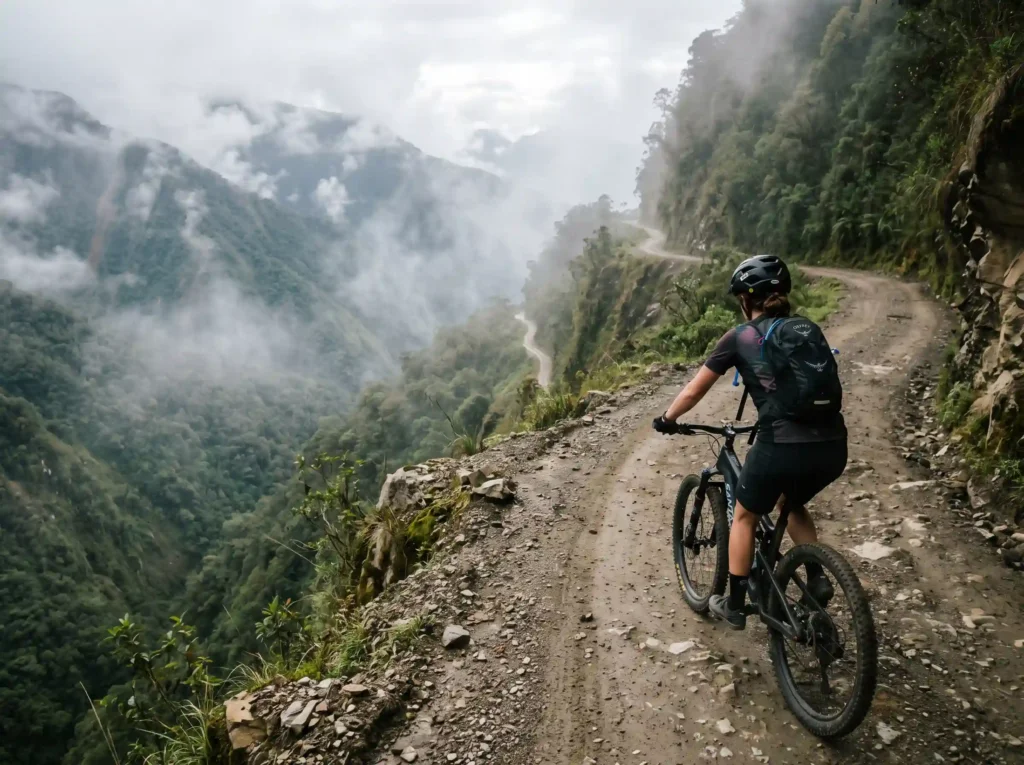
Bolivia operates at a different level of intensity. The North Yungas Road — better known internationally as the Death Road — is one of the most demanding mountain biking descents on Earth. The route threads through switchbacks, sheer cliff drops, and weather that can change in minutes. Thousands of cyclists ride it every year. Know what you are signing up for before you do.
Trekking and Landscape Extremes: Nepal, Iceland, and Patagonia
Nepal remains the gold standard for high-altitude trekking. The Everest Base Camp trail and the Annapurna Circuit draw trekkers of all experience levels. Not because they are easy — because the Himalayas are genuinely unlike anywhere else on the planet. Don’t underestimate the altitude. This is the most common mistake first-time Nepal trekkers make, and it is the one most likely to cut a trip short.
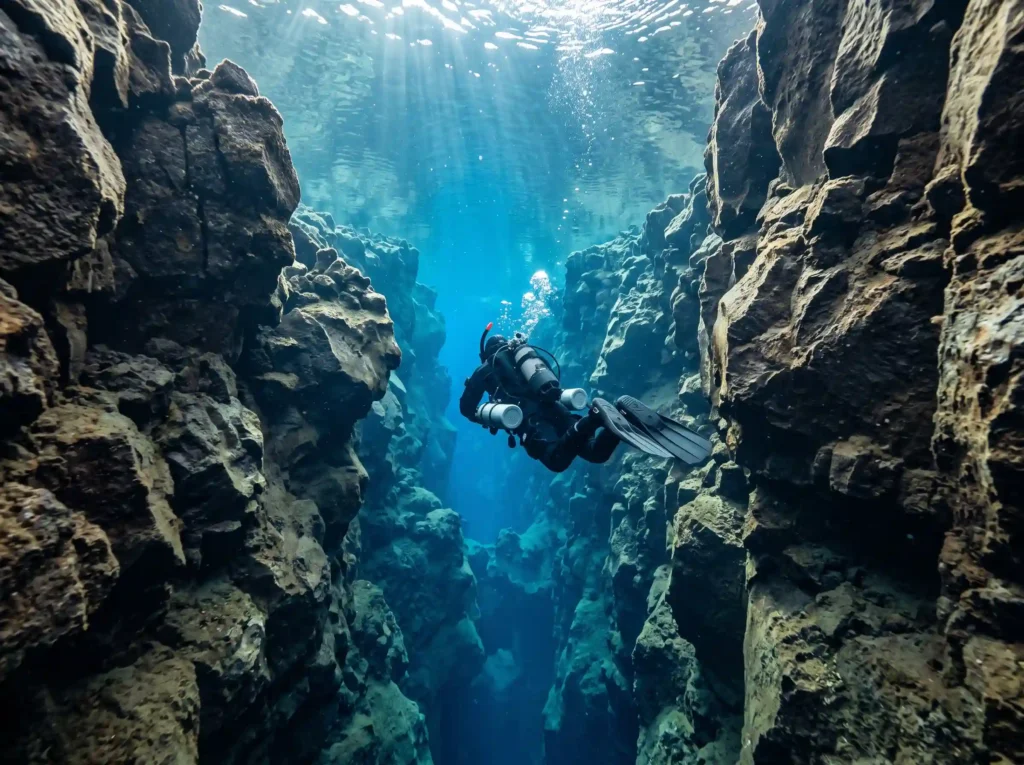
Iceland offers something geologically extraordinary: you can dive between two continental tectonic plates in the Silfra fissure in Þingvellir National Park. Beyond that, the country gives you snowmobiling across its vast glaciers, glacier hiking, and lava cave exploration — all within a surprisingly compact geography. Few destinations pack this much geological variety into this little space.
Patagonia, split between southern Chile and Argentina, is where you go when you want trekking at the edge of the world. The wind-battered trails and dramatic granite spires draw trekkers and photographers who keep coming back. Wind is the defining challenge here. It is constant, it is strong, and it will slow you down more than any uphill gradient.
Wildlife Encounters That Stay With You: Uganda and South Africa
Uganda’s gorilla trekking in Bwindi Impenetrable Forest is not a zoo experience. You hike through dense, steep rainforest — sometimes for several hours — then spend exactly one hour with a wild mountain gorilla family. One hour. Conservation regulations do not allow longer. That constraint, which sounds frustrating at first, is part of what makes it so powerful. You are acutely aware of the privilege of being there in a way that more managed wildlife encounters rarely produce.
South Africa runs on a different energy. Classic Big Five safaris are exceptional on their own terms, but what separates South Africa from other safari destinations is the range alongside the wildlife. Cage diving with great white sharks off the coast is the experience most people come specifically for. It is guided, it is controlled, and it is genuinely difficult to describe until you are in the water.
How to Prepare for an Adventure Trip
Safety in remote places is not about being fearless. It is about an honest assessment of your own abilities and the actual risks at your destination. The gap between a great adventure and a dangerous one is almost always preparation. Here is what that looks like in practice:
- Assess the risks honestly before you book. Check official government travel advisories for your destination — not just political stability, but current trail conditions, medical infrastructure, and natural hazard warnings. Many adventure travelers skip this because they assume guides handle everything. Guides handle the on-the-ground execution. The decision to go belongs to you.
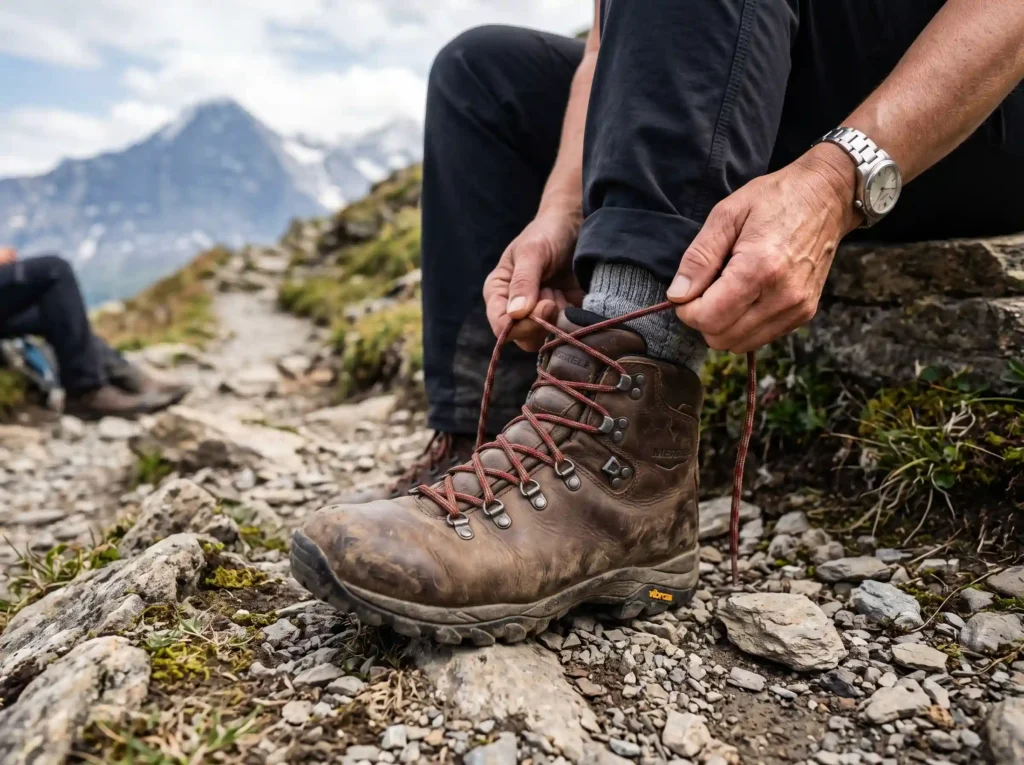
- Get the right gear and test it before you leave. This sounds obvious. Most people ignore it. Arriving in Patagonia with brand-new boots you have never worn is one of the most reliable ways to ruin a ten-day trip. Whatever your adventure requires — break it in, test it, and know how to fix it. Carry the relevant repair kit.
- Make sure your insurance actually covers what you are doing. Standard travel insurance typically does not cover adventure sports, helicopter evacuation, or medical repatriation from remote locations. Read the exclusions carefully. Look specifically for adventure sports riders and confirm they include emergency evacuation. This is the single most common financial mistake adventure travelers make — and one of the most expensive to discover after the fact.
- Use the buddy system on anything high-risk. Do not do dangerous activities alone. For solo travelers, join a guided group or partner with another traveler for the exposed sections. Before any remote excursion, leave your planned route, expected return time, and emergency contacts with someone at your accommodation.
- Talk to local guides and residents on the ground. No online research tells you what conditions are like this week. A guide who ran the same trail yesterday can tell you things no website can — recent weather shifts, washed-out sections, river levels. That local knowledge is often the difference between a smooth trip and a serious problem.
One mistake worth naming explicitly: underestimating acclimatization at altitude. Trekkers who fly into Kathmandu and push straight toward Everest Base Camp without proper rest days are the ones who end up evacuated. The mountain does not adjust to your schedule. Build the time in — or build in a realistic plan to go home early if your body tells you to.
Finding the Adventure That Is Actually Right for You
Adventure travel means something different for every person who does it. For some, it is an Antarctic expedition. For others, it is a first gorilla trek in Uganda or a day of surfing in Costa Rica. The destination matters less than the honesty of the choice — knowing why you are going, what you are genuinely capable of, and whether you have actually prepared for what is ahead.
The 75% local economic impact figure is worth sitting with as you plan. Adventure travel, done right, is one of the most direct ways your spending reaches communities that depend on it. That is not marketing. It is a structural feature of how the sector works — and it is a good reason to choose local guides and locally-run operators wherever you can.
Pick the destination that genuinely excites and slightly scares you. Prepare properly. Respect what you are walking into. There is still an extraordinary amount left to show you.
Sources
- Adventure Travel News
- Adventure Travel Trade Association (ATTA)
- TravelPulse
- Grand View Research
- Off the Path Reiseblog
- We Design Trips
- Fairaway Travel
- Sport Tours & Travels
- Scout Reisen
- Bergfreunde Basislager
Quick Comparison
| Destination | Adventure Category | Key Activities | Primary Challenge / Note |
|---|---|---|---|
| Antarctica | Remote Wilderness | Ice landscape exploration, wildlife viewing | Absolute remoteness and isolation |
| Alaska | Remote Wilderness | Heliskiing, glacier trekking, white-water rafting | Rough infrastructure |
| Costa Rica | High-Adrenaline Action | Ziplining, canyoning, surfing | High density of active options |
| Bolivia | High-Adrenaline Action | Mountain biking down the Death Road | Sheer cliff drops, switchbacks, and changing weather |
| Nepal | Trekking & Landscapes | High-altitude trekking (Everest Base Camp, Annapurna) | High altitude and acclimatization requirements |
| Iceland | Trekking & Landscapes | Diving tectonic plates, glacier snowmobiling, lava caves | Highly varied activities in a compact area |
| Patagonia | Trekking & Landscapes | Trekking at the edge of the world | Constant, strong wind |
| Uganda | Wildlife Encounter | Gorilla trekking in Bwindi Impenetrable Forest | Steep rainforest hikes and strict 1-hour time limit |
| South Africa | Wildlife Encounter | Big Five safaris, great white shark cage diving | Highly controlled/guided encounters |
Frequently Asked Questions
What is the economic impact of adventure travel on local communities?
Approximately 75% of what adventure travelers spend stays directly in the local economies of the hosting communities, making it a highly impactful travel format. This is one of the few travel formats where your spending has a direct, positive influence on the local area.
What are “coolcations” in adventure travel?
Coolcations represent a trend where travelers deliberately visit colder regions, such as Scandinavia, Alaska, or the Arctic, to escape rising summer temperatures. It is a practical response for travelers experiencing climate anxiety.
What is the most common mistake made by trekkers in Nepal?
Underestimating acclimatization at high altitudes is the most common mistake first-time trekkers make in Nepal. Rushing toward destinations like Everest Base Camp without building in rest days often leads to emergency evacuations.
How long are visitors permitted to spend with gorillas during trekking in Uganda?
Conservation regulations permit visitors to spend exactly one hour with a wild mountain gorilla family. This strict limit is designed to protect the animals, making the experience in Bwindi Impenetrable Forest highly exclusive and memorable.
Does standard travel insurance cover adventure activities?
No, standard travel insurance usually excludes adventure sports, helicopter evacuation, and medical repatriation from remote locations. You must read the exclusions carefully and purchase additional adventure sports riders to be fully covered.
