
There’s a version of this question that’s purely logical: safety, cost, flexibility, planning burden. But if you’ve ever stood at the booking page with your cursor hovering, you know the real question is different. Who do I want to be on this trip? That’s what’s actually being decided here.
Solo travel and group travel aren’t just different logistics — they’re different experiences of the same world. Neither is objectively better. But one of them is probably better for you, right now. This guide breaks down what each style actually involves — the statistics, trade-offs, and tools to help you decide.
Solo Travel Is Bigger Than You Think — Here’s the Data
Solo travel has moved well past niche status. The global solo travel market was valued at $558.07 billion in 2025, projected to reach $645.68 billion by 2026, per Fortune Business Insights. These aren’t backpacker numbers — this is a mainstream travel category growing faster than many segments of the broader industry.
Google search data tells the same story. Interest in solo travel has reached its highest point in 15 years — driven by a demographic profile that might surprise you.
- Women lead this movement: Between 71% and 84% of solo travelers are women, a figure that has reshaped how the industry approaches safety, accommodation, and community tools.
- Millennials and Gen Z are driving it: 76% of younger travelers have planned or are actively planning a solo trip.
- It’s not just a young person’s thing: While 68% of solo travelers are under 31, travelers over 40 now make up 39% of the market — and that share is growing.
The over-40 shift is worth noting. Many of these travelers have done group trips — family vacations, work travel, couples’ getaways — and are actively choosing to go solo. That’s a considered decision, not a default one.
The Honest Case for Solo Travel
What You Actually Gain When You Go Alone
The word freedom gets overused in travel writing, so let me make it concrete. When you travel alone, no one else’s preferences shape your day. You wake up, decide to spend six hours in a single museum wing because one painting stopped you — and you do exactly that. No negotiation. No guilt. No one checking their watch.
That kind of uninterrupted autonomy changes you. Solo travel shifts how you handle unfamiliar situations — not because you were already brave, but because the trip forces you to figure things out. You miss a train connection in a country where you don’t speak the language, and you sort it. That compounds quickly into genuine confidence that follows you home.
The social side is often misunderstood. Solo travelers are far more likely to form real connections with locals and other travelers than people in groups. When you’re in a group, you already have your social unit — there’s less reason to reach out. When you’re alone, you’re open by default. The conversations over a shared hostel table or a chance encounter at a local market are often the ones that stick longest.
What People Don’t Warn You About Solo Travel
The logistical weight is real, and it builds. Every decision — where to eat, whether to change plans, how to handle a problem — sits entirely with you. When it’s going well, that feels like freedom. When you’re exhausted, sick, or something goes wrong, it’s a different feeling entirely.
The loneliness question is more complicated than a simple yes or no. You can spend a solo trip surrounded by people and still feel a specific kind of ache. It’s the absence of someone who knows you — someone to turn to when something is genuinely beautiful or genuinely hard. That’s not fixable by joining a walking tour. It’s worth being honest with yourself about whether that trade-off works for you right now.
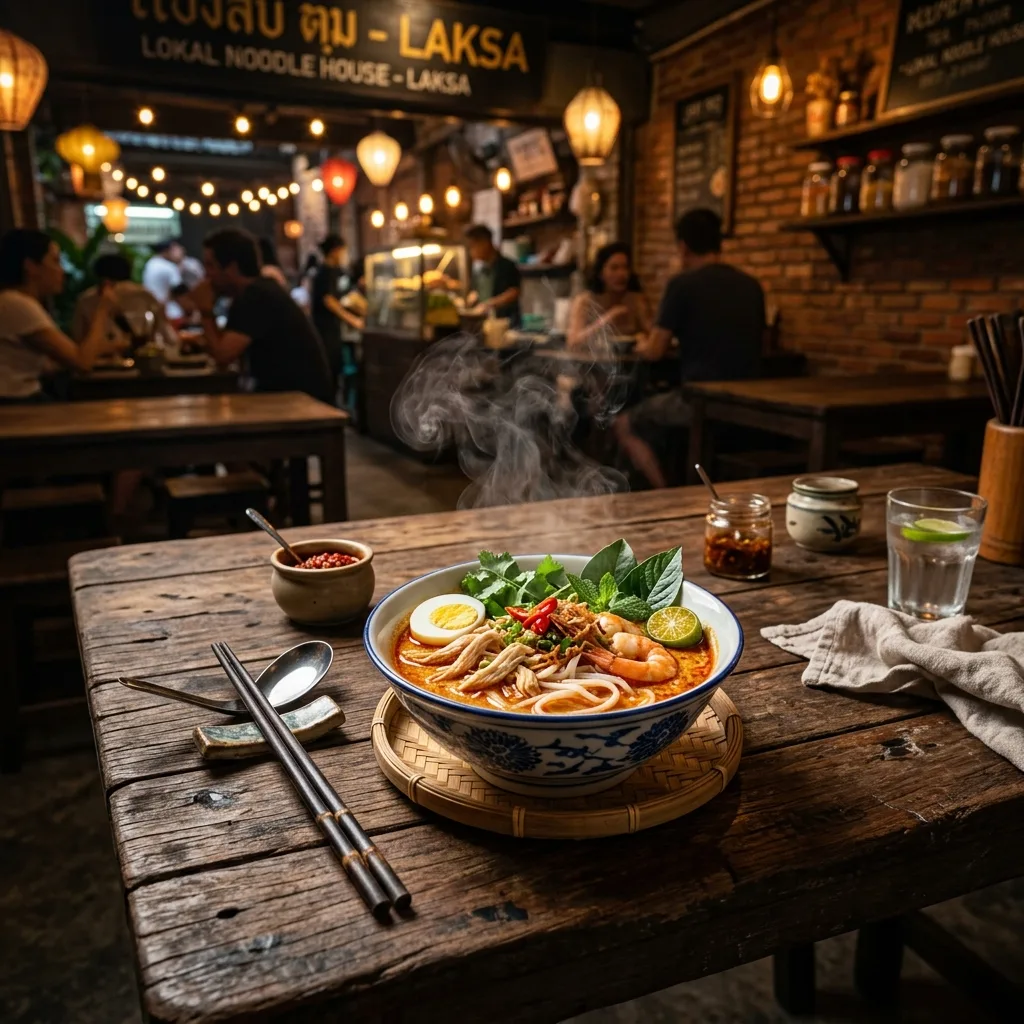
One thing most people overlook: the cost of solo travel isn’t always higher. Hotels and private rooms cost more per person, yes. But hostels, Couchsurfing, and the habit of eating where locals eat can make solo travel surprisingly affordable. The assumption that going alone means paying more is worth questioning before you rule it out on budget grounds.
The Honest Case for Group Travel
Why Sharing the Journey Changes Everything
Cost sharing is the obvious starting point. Private transport, guided experiences, and larger accommodation options become genuinely accessible when the bill is split four or eight ways. Travelers who’ve done the same route both ways often find the group version unlocks experiences the solo budget couldn’t reach.
But the more lasting argument for group travel isn’t financial — it’s what happens to a shared experience over time. Think about the inside jokes that come from a shared disaster. The photograph where everyone looks simultaneously terrible and perfectly happy. These become part of how a group of people understand each other. You can’t manufacture that. It happens because you were all actually there, going through the same thing at the same time.
From a practical safety standpoint, traveling with others lowers your exposure to certain risks. Someone can stay with your bags while you handle a problem. Someone notices if you’re not feeling right. These things matter in unfamiliar environments.
The Friction Points Nobody Talks About
The most common mistake people make with group travel is assuming that good friendships translate into compatible travel styles. They often don’t. Your closest friend at home might want to sleep in and do one thing per day. You might want an early start and three things. At home, this never comes up. On day three of a shared itinerary, it becomes the entire conversation.
What usually happens in practice: the most organized person quietly absorbs the planning burden — often without anyone explicitly agreeing to that arrangement. By the second or third day, that person is exhausted and slightly resentful. If that person is you, it’s worth naming this dynamic before you leave, not after it’s already happening.
Continuous proximity is also genuinely hard, even with people you love. A week is a long time to share a room, share every meal, and share every decision. Small preferences become friction points. The better the communication before the trip, the less likely those friction points turn into actual conflict.
Safety: What Actually Matters, Regardless of How You Travel
Whether you’re going alone or with a group, preparation is what makes the difference when something actually goes wrong. These aren’t abstract precautions.
- Research before you land. Know the local laws, the neighborhoods worth avoiding, and the cultural norms that could get you into trouble if you misread them. This isn’t about fear — it’s about not being caught off guard.
- Leave your itinerary with someone at home. A trusted contact should have your accommodation details and a rough schedule. Check in regularly. This costs you almost nothing and covers a significant range of worst-case scenarios.
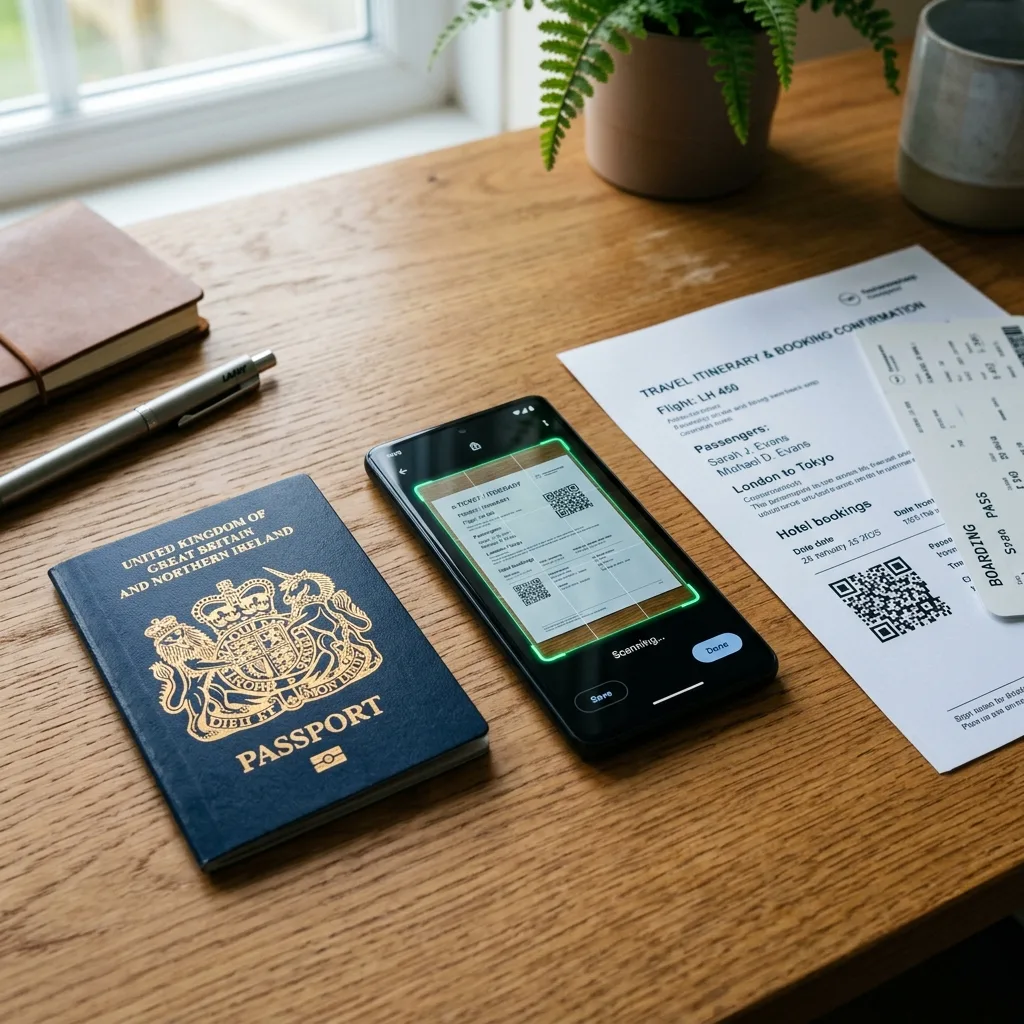
- Keep document copies separated from the originals. Digital copies in cloud storage, physical copies in a different bag. Losing your passport is a manageable problem if you have backups. Without them, it’s a much bigger one.
- Get real travel insurance. Not the cheap add-on that covers lost luggage — international medical coverage that handles emergencies, evacuations, and hospital stays. Platforms like Heymondo and Intermundial are worth comparing before you book.
- Trust discomfort as information. If a person, a situation, or a location makes you uneasy, leave. You don’t owe anyone an explanation. Your instincts are calibrated to patterns your conscious mind hasn’t processed yet — they’re worth listening to.
For solo women travelers specifically, that last point deserves extra weight. The women who lead these statistics have built real, shared knowledge around navigating this safely. Forums, apps, and networks specifically for female solo travel are worth finding before you go.
The Apps Worth Actually Using for Each Travel Style
For Solo Travelers: Connection Without Compromise
The assumption that solo means isolated is outdated. There are entire platforms built around finding other travelers at the same destination on the dates.
Backpackr, Fairytrail, and TripBFF all work on this principle: create a profile, set your dates and destination, and find travelers who match. Whether you want one day of company or someone to share a full leg of the journey, these platforms make it possible — without committing to traveling together full-time.
Couchsurfing and Meetup serve a different but related purpose. Couchsurfing connects you with locals who host travelers, often leading to the kind of local knowledge no guidebook contains. Meetup surfaces events in the city you’re visiting, from language exchange nights to hiking groups. Both are free, and both consistently produce the kind of genuine connection that solo travel is actually built for.
For Group Trips: Coordination Without the WhatsApp Thread From Hell
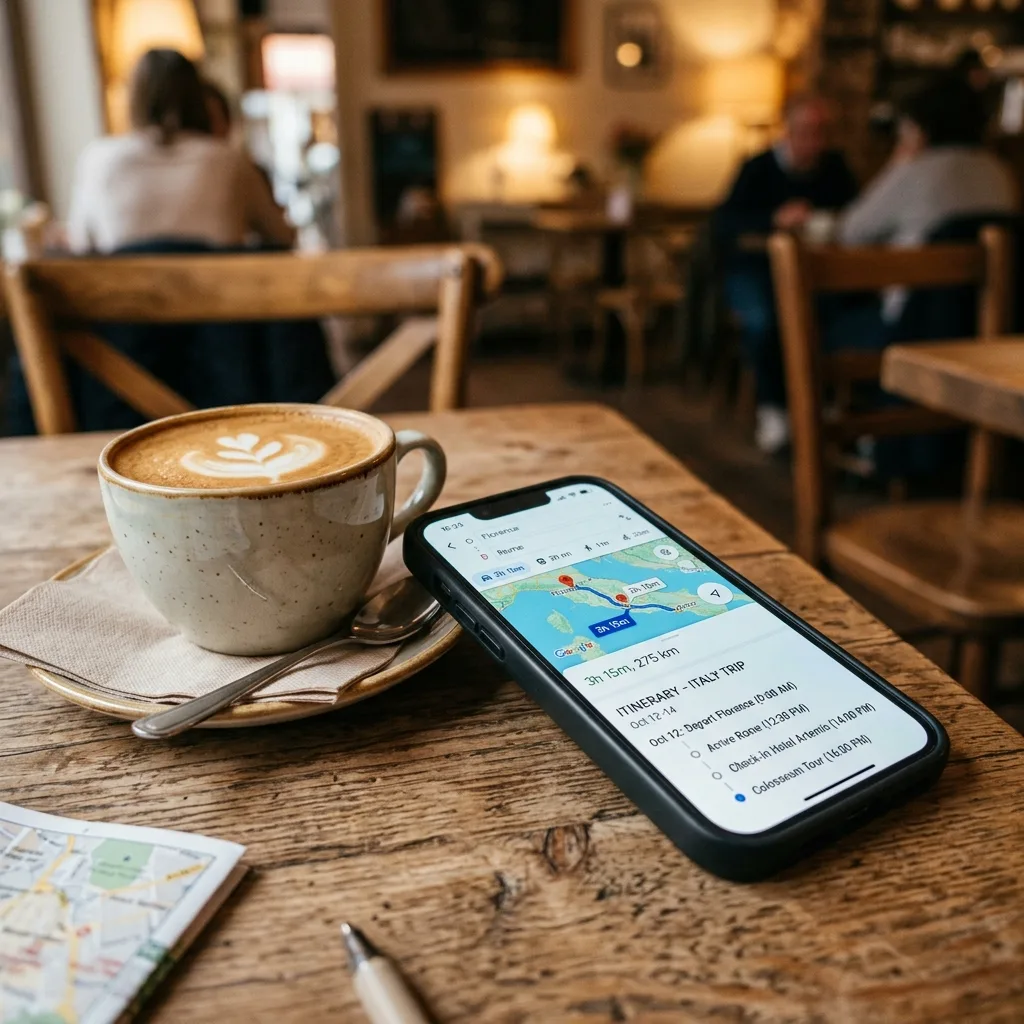
Wanderlog is the tool most experienced group travelers land on for itinerary planning. It’s fully collaborative — everyone can add, edit, and view the plan in real time — with maps, reservations, and notes in one place. The alternative is a shared document that’s always three versions out of date. Wanderlog solves this.
For money, Splitwise and Tricount do the essential job: tracking who paid what, calculating what’s owed, and settling up cleanly at the end. This matters more than most groups expect before the trip. Splitting costs informally across a week of travel generates genuine confusion and occasional resentment. Using one of these apps from day one removes that entirely.
How to Actually Decide
The honest answer: the right choice depends more on timing than on personality. The person who needs a group trip after a difficult year might be the same person who goes solo two years later. Neither instinct is wrong.
A useful question to sit with before booking: What do I actually need from this trip? If the answer is perspective and space — solo travel gives that in ways a group trip structurally can’t. If the answer is connection, celebration, or shared experience — group travel is built for exactly that.
For first-time solo travelers who are genuinely uncertain, the hybrid approach works well in practice. Book your own flights and accommodation, then join single-day experiences — a guided hike, a cooking class, a local tour. You get structure and company without surrendering your independence. Hostelworld and WeRoad specialize in this kind of flexible, small-group format built for solo travelers who want optional company, not enforced togetherness.

Quick Comparison
| Travel Style | Autonomy & Flexibility | Cost Structure | Planning & Decision Making | Social Dynamics | Safety |
|---|---|---|---|---|---|
| Solo Travel | Complete freedom; no negotiation or guilt. | Higher private lodging costs, but flexible budget choices (hostels, Couchsurfing). | Heavy logistical weight; every decision is entirely yours. | Highly open to new connections with locals and other travelers. | High reliance on personal prep, backup documents, and instincts. |
| Group Travel | Compromise required; daily schedules must align. | Accessible shared costs for transport, lodging, and activities. | Shared responsibility, though often absorbed by one person. | Built-in social unit with shared memories and inside jokes. | Lower exposure to risk; group members can assist in emergencies. |
Sources
Frequently Asked Questions
Is solo travel more expensive than group travel?
Not necessarily. While private rooms and hotels cost more per person, solo travelers can keep expenses low by staying in hostels, Couchsurfing, or eating where the locals eat. Group travel makes private transport and larger accommodations more accessible by splitting the bill.
How do solo travelers meet people on the road?
Solo travelers are often highly open to new connections. You can meet other travelers and locals by staying in hostels, using social apps like Backpackr and Fairytrail, attending local Meetup events, or Couchsurfing.
What is the best way for a group to plan a trip itinerary?
To avoid outdated shared documents, groups should use a collaborative tool like Wanderlog. It allows everyone to add, edit, and view the itinerary in real time, keeping maps, notes, and booking reservations in one central place.
How should a travel group handle split expenses?
Groups can manage shared costs by using apps like Splitwise or Tricount from the start of the trip. These apps track payments, calculate who owes what, and resolve balances easily, avoiding confusion and resentment.
How can first-time solo travelers test the waters?
A great approach is the hybrid style: book your own flights and lodging, then join single-day activities or local tours. Platforms like Hostelworld and WeRoad specialize in offering flexible group formats that provide optional company without losing your independence.