
Solo travel used to carry a stigma. Go it alone and people assumed something had gone wrong — a cancelled friend, a falling-out, a plan that collapsed at the last minute. That perception has shifted completely. Today, traveling alone is a deliberate choice, and the numbers back it up: solo bookings now account for roughly 18% of the global travel market. But the more interesting story isn’t in the market data. It’s in what happens to people once they actually go.
What Solo Travel Actually Does to Your Mind
Psychology has a practical explanation for why solo travel feels so different from ordinary tourism. Without the buffer of a companion, certain mental processes get activated that rarely surface in daily life. The result isn’t just a good trip — it’s a measurable shift in how you think and handle yourself.
Building Self-Efficacy — And Why That’s Different From Just Gaining Confidence
When you travel with other people, decisions get distributed. Someone handles the booking, someone else navigates, someone manages the language barrier. You don’t notice the load because it’s shared. Travel alone, and all of it lands on you — the itinerary, the budget, the backup plan when things don’t go as expected.
That’s not a burden. That’s the point.
Each time you solve a problem on your own — find your way after a wrong turn, figure out a local transit system, ask for help in a city where no one speaks your language — you build what psychologists call self-efficacy: the genuine belief that your own skills are sufficient. This is different from ordinary confidence. Confidence can come from external validation. Self-efficacy comes from doing the thing. It doesn’t fade when you get home.
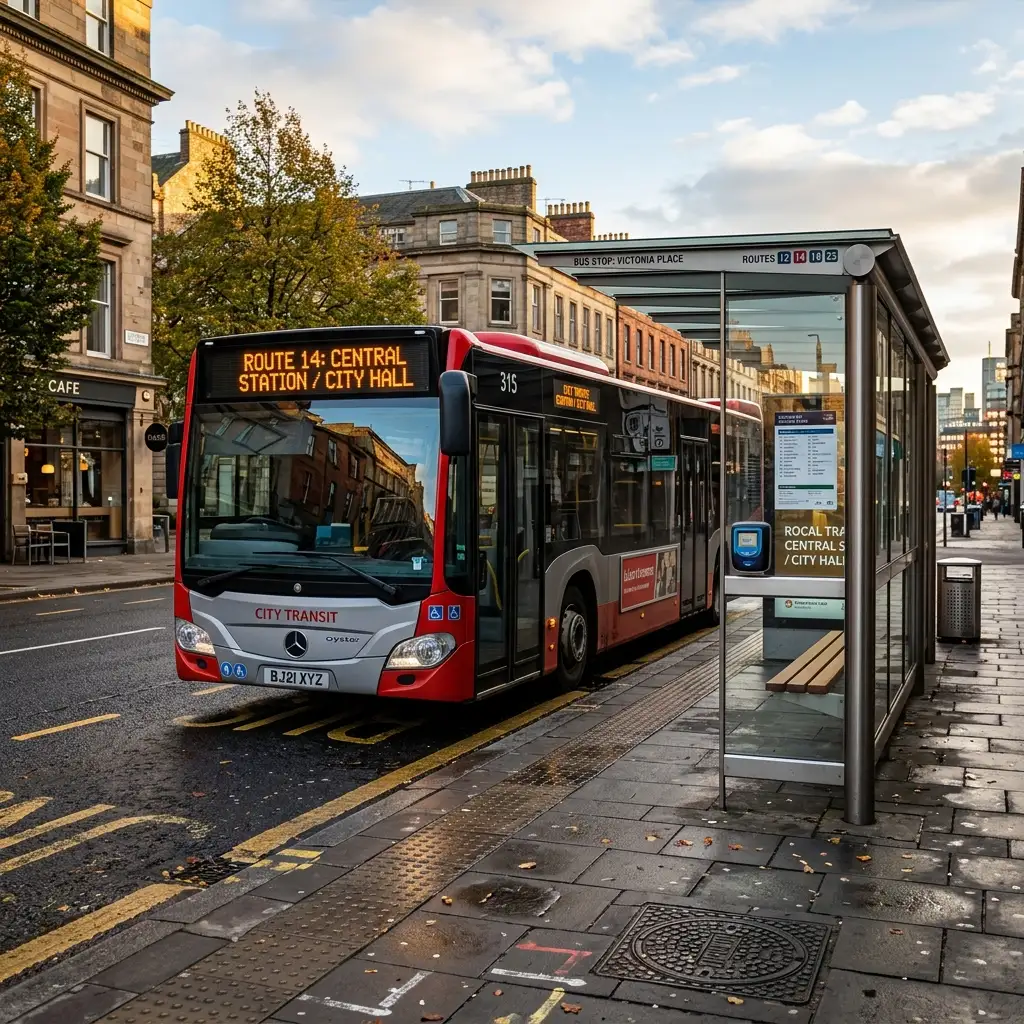
What most people overlook is that the small problems are the training, not the obstacles. Getting on the wrong bus and sorting it out is where the real growth happens. The inconvenience is the lesson.
The Kind of Clarity You Cannot Find at Home
There’s a reason people describe solo trips as genuinely life-changing, and it’s rarely about the destination. It’s about the silence.
Not literal silence — airports and street markets are loud. But the social static drops. You’re not managing anyone’s expectations. You’re not navigating group dynamics or holding back an opinion to keep the peace. For the first time in a long time, the only person you’re trying to please is yourself.
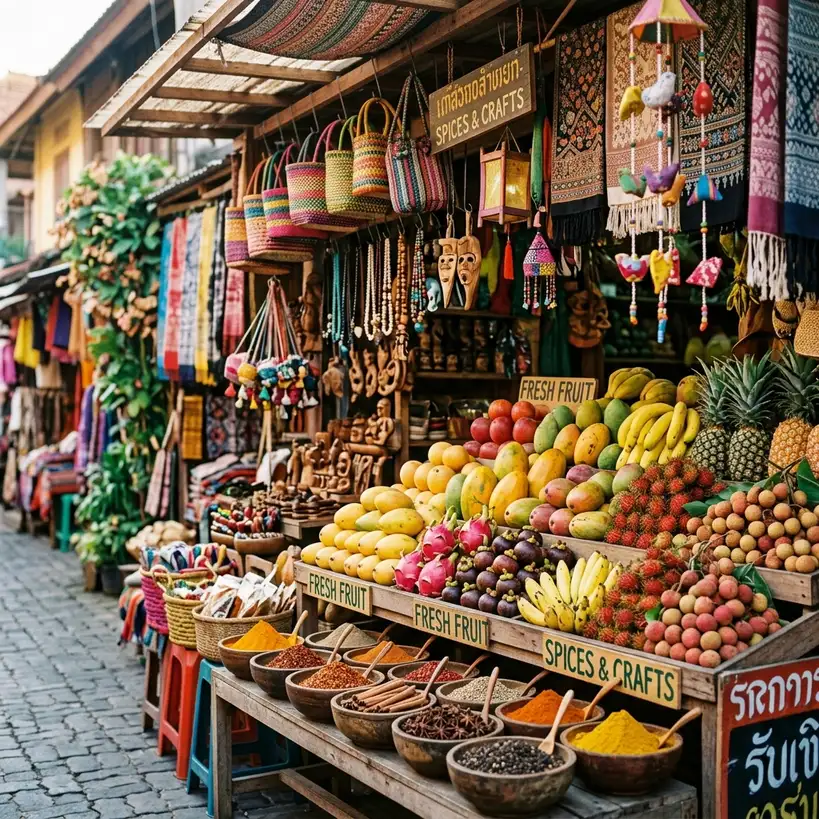
That space does something. Away from the steady influence of friends and family, the noise about what you’re supposed to want gets quieter. What you actually want gets clearer. Many solo travelers describe coming home with sharper answers to questions they’d been circling for months — about careers, relationships, where they want to live. It’s not magic. It’s what happens when the usual distractions are removed.
What Happens Inside Your Brain When You Travel Alone
Your body responds to new environments in concrete, measurable ways. Breaking from daily routine reduces cortisol — the hormone your body produces under chronic stress. That alone is worth something, especially if you’ve been running at high output for an extended period.
But novelty does more than lower stress. Exposure to unfamiliar places, people, and problems stimulates neuroplasticity — your brain’s capacity to form new neural connections. Dopamine and endorphins also spike in response to new experiences, which is why the first morning in an unfamiliar city can feel sharper and more alive than weeks of ordinary routine at home.
The effect compounds when you’re traveling alone, because you can’t outsource your engagement to someone else. You’re fully present — not by choice, but by necessity.
Solo Travel Is Growing — Here’s What the Numbers Actually Show
The solo travel market is projected to reach $1.07 trillion in value by 2030, growing at 14.3% annually. These aren’t figures from a wishful industry forecast — they’re already reshaping how hotels, hostels, and tour operators design their products and pricing. The industry is adapting to the solo traveler. Not the other way around.
Women and Younger Generations Are Driving This Shift
The breakdown of who is actually traveling alone is striking. Women account for between 54% and 71% of solo travelers globally — depending on the region and source. That’s not a niche demographic. That’s the majority of solo travelers on the planet.
Younger generations are close behind: 76% of Millennials and Gen Z travelers report planning a solo trip. That’s a generational shift with lasting implications, and the travel industry has noticed. One visible result: the single supplement — the longstanding pricing surcharge that made solo travel noticeably more expensive per night — is being quietly phased out by a growing number of hotels and accommodation brands.
Two Modern Solo Travel Approaches Worth Understanding
Two models have emerged from how today’s solo travelers actually behave, and both are worth knowing before you plan your first trip.
Travel Maxxing is the practice of maximizing a single trip by stringing multiple destinations together in one continuous journey. The goal is depth and efficiency — not just ticking places off a list, but extracting genuine value from the time and money you’re already committing.
The Solo-together model works differently. You travel independently but deliberately choose accommodations or activities built for social connection — hostel common rooms, free walking tours, group cooking classes. You keep full control of your own schedule while reducing the isolation that most people worry about before their first solo trip. For many travelers, this is the right entry point — and it’s a more honest answer to the loneliness question than pretending the concern isn’t valid.
The Challenges Are Real — Here’s What to Actually Expect
Handling Loneliness and Pressure From the People Around You
Two separate pressures come into play. Before you leave: the people closest to you. Friends and family who worry, question your decision, or simply can’t understand why you’d want to go alone. That skepticism is usually well-meaning, but it can quietly erode your confidence before the trip even starts. It helps to know this reaction is common — not a signal that you’re making a mistake.
During the trip: moments of genuine loneliness. They come. Sitting with a meal you’d love to describe to someone, watching a sunset that’s almost too good to experience quietly. These moments are part of the experience — not evidence that something went wrong. Learning to sit with them, and sometimes push through them, is exactly where resilience gets built. Most solo travelers come back saying the harder moments were part of what made the trip worth taking.
When Things Go Wrong — And Something Will
Traveling solo means that when the flight is cancelled, you’re ill, or the accommodation looks nothing like the photos, you’re handling it alone. There’s no one to split the problem with. That’s uncomfortable — especially the first time.
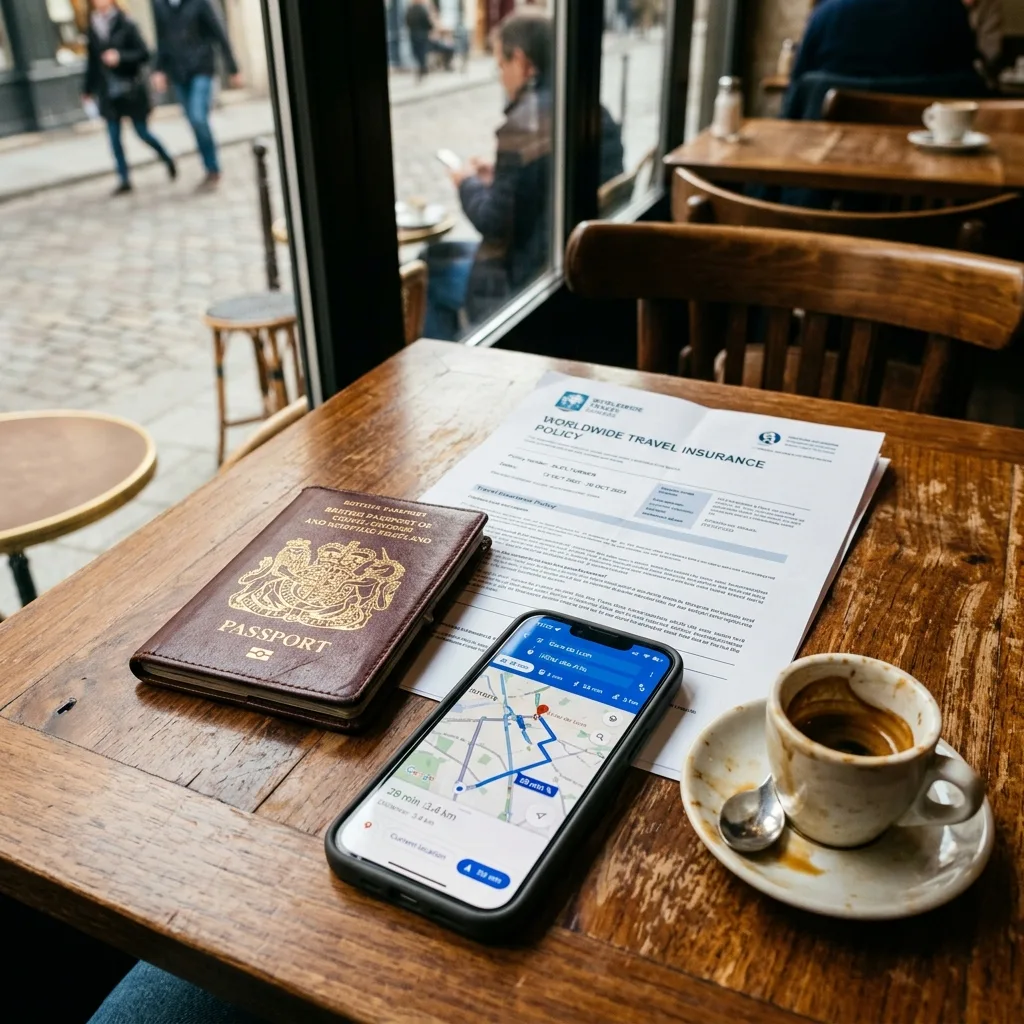
In practice, most solo travelers find that solving their own problems is one of the most genuinely empowering parts of the trip. The anxiety before the problem is almost always worse than the reality of dealing with it. The real risk isn’t the unexpected situation — it’s arriving underprepared. No travel insurance, no confirmed plan for the first night, no clarity on getting from the airport or train station to your accommodation. These are all fixable before you leave. The travelers who struggle most are almost always the ones who skipped the basics.
Practical Tips for Your First Solo Trip
Getting the Logistics Right Before You Leave
- Choose a beginner-friendly destination: Pick somewhere with solid tourist infrastructure and a manageable language barrier. Your first solo trip is not the moment to test yourself on every front simultaneously.
- Book your first two nights before you land: Arrival day is not the time to figure out where you’re sleeping. Know exactly where you’re going and how you’re getting there from the airport or train station before your flight takes off.
- Buy real travel insurance: Not the cheapest option available — the one that actually covers emergency medical care. If you’re seriously ill abroad without proper coverage, you’re not just dealing with a health problem. You’re dealing with a financial crisis at the same time.

How to Handle Yourself Once You’re There
- Trust your instincts without negotiating with them: If a person, a place, or a situation doesn’t feel right, leave. Don’t rationalize the discomfort. Your instincts are usually ahead of your reasoning.
- Socialize on your own terms: Hostels with common areas, free walking tours, group day trips — these offer easy, low-pressure ways to meet people when you want to. You don’t have to be social every day. The option should simply be there when you do.
- Keep your daily plans private around new acquaintances: Where you’re staying, where you’re heading tomorrow — share these with people you know, not with someone you met a few hours ago.
The Trip That Comes Back With You
Most people return from their first solo trip saying some version of the same thing: I didn’t know I could do that. Not “it was beautiful” — though it usually is. Not “I saw things I’d never seen” — though that’s almost certainly true. The part that stays is the discovery about themselves.
That’s the piece nobody tells you to pack for. It shows up anyway.
Sources
- Psicología Mavi
- El Publicista
- Clarín
- Hostelworld
- Psychology Today
- Johnson & Wales University
- Fortune Business Insights
Quick Comparison
| Approach | Primary Focus | Social Setup | Best For |
|---|---|---|---|
| Travel Maxxing | Maximizing a single trip by stringing multiple destinations together in one continuous journey. | Independent (focuses on depth and efficiency). | Extracting genuine value from committed time and budget. |
| Solo-together | Traveling independently while deliberately choosing social accommodations or activities. | High connection (hostel common rooms, walking tours, group cooking classes). | Beginners seeking to reduce isolation and address loneliness concerns. |
Frequently Asked Questions
What is the difference between confidence and self-efficacy in travel?
Confidence often comes from external validation, whereas self-efficacy is the genuine belief in your own skills built through direct experience. In solo travel, self-efficacy is developed by solving small, practical problems on your own, such as navigating a transit system or sorting out a wrong turn. This belief does not fade when you return home.
How does traveling alone affect your brain?
Traveling alone reduces cortisol, the hormone associated with chronic stress, by breaking your daily routine. Additionally, exposure to unfamiliar places, people, and problems stimulates neuroplasticity, which is your brain’s capacity to form new neural connections. The novelty of the experience also causes spikes in dopamine and endorphins.
What is the solo-together travel model?
The solo-together model is an approach where you travel independently but deliberately choose accommodations or activities designed for social interaction. This includes staying in hostels, taking free walking tours, or participating in group cooking classes. It allows you to keep full control of your schedule while reducing isolation.
How do I manage loneliness while traveling solo?
Loneliness is a natural part of the solo travel experience rather than a sign of a mistake. Pushing through these moments helps build resilience. You can also ease into the experience by choosing solo-together activities like staying in hostels or joining group tours to socialize on your own terms.
What logistics should I book before my first solo trip?
You should choose a beginner-friendly destination with reliable tourist infrastructure and book your first two nights of accommodation in advance. This ensures you know exactly where you are sleeping and how to get there on arrival day. Additionally, buy high-quality travel insurance that covers emergency medical care.