
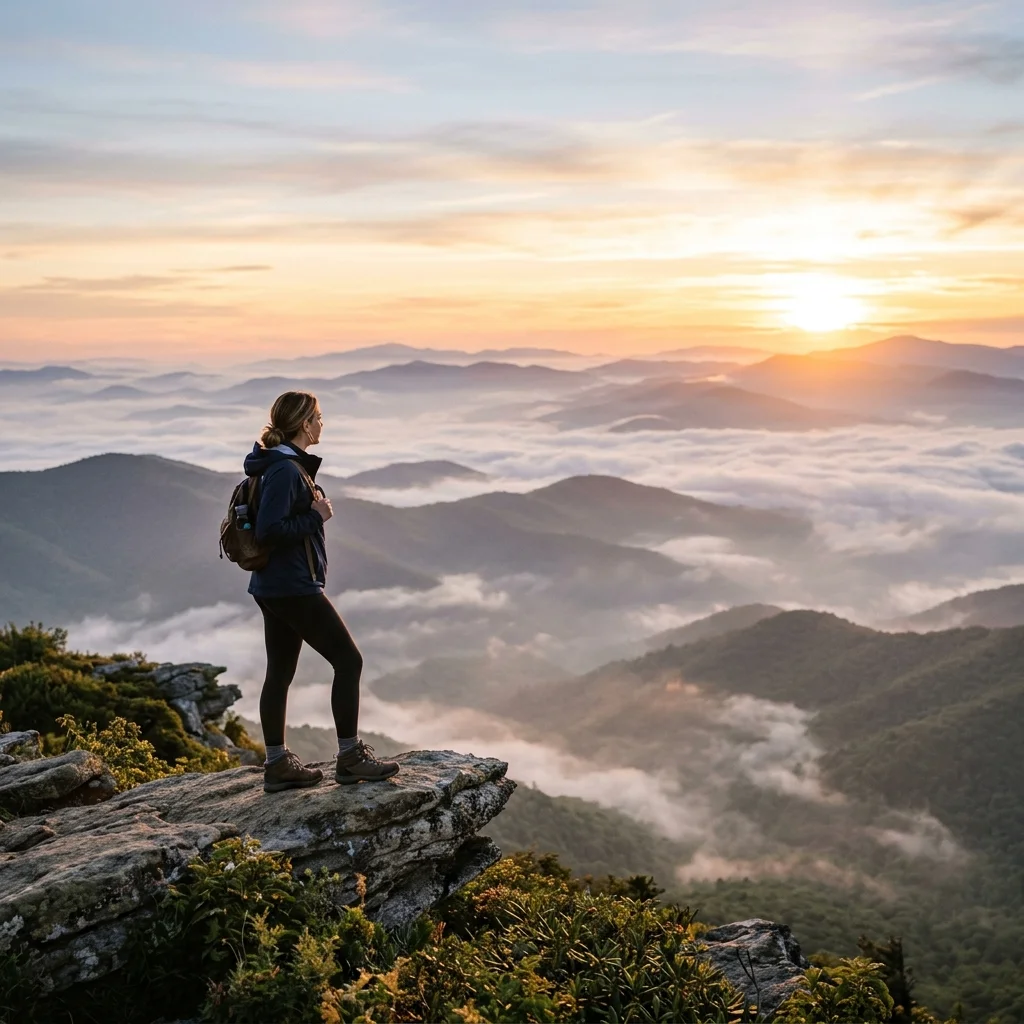
Most people assume adventure travel is reserved for elite athletes — people who summit peaks before breakfast or race through jungles for sport. That assumption stops more first-timers from booking a trip than anything else.
The truth is simpler. The global adventure travel industry is now worth over $1.16 trillion, and the people driving that growth are not extreme athletes. They are regular travelers who got tired of beach resorts and wanted something that actually challenged them.
You do not need peak fitness. You do not need technical skills. What you need is an honest look at where you are right now — and a plan that matches it. This guide covers everything: what adventure travel actually includes, how to plan your first trip safely, what gear matters most, and where to go when you are still finding your footing.
Adventure Travel Defined: What the Industry Actually Includes
Adventure travel is broader than most people expect. The Adventure Travel Trade Association (ATTA) is the industry’s leading global body. It defines a trip as adventure travel when it combines at least two of three core elements:
- Physical activity: Anything from a moderate trail hike to technical climbing.
- Contact with nature: Direct interaction with terrestrial or aquatic ecosystems.
- Cultural immersion: Meaningful, respectful engagement with local communities and their traditions.
A guided kayaking trip along a coastal reserve while staying with a local family qualifies. A snorkeling day trip on a living reef qualifies. A multi-day trek through Incan ruins with a community guide? Absolutely. The category is wide — which is exactly why this industry is now a dominant force in global tourism, not a niche corner of it.
Soft Adventure vs. Hard Adventure: Which One Fits Where You Are Right Now
The industry splits all adventure activities into two categories. Understanding which one honestly applies to you right now matters more than knowing where you want to be eventually.
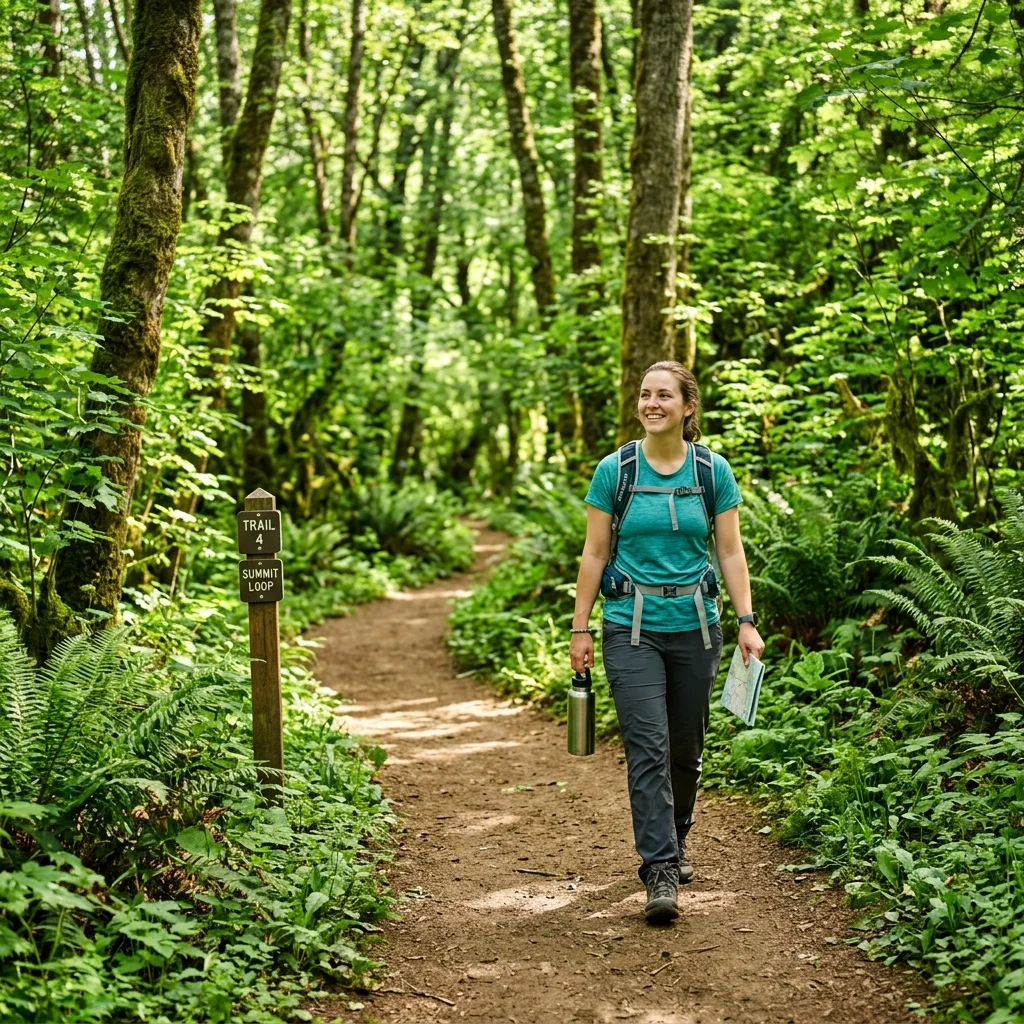
Soft adventure covers activities with manageable physical demands and relatively low risk: marked trail hiking, recreational cycling, snorkeling, wildlife watching. Most first-timers belong here. That is not a limitation — it is a starting point with real depth to it.
Hard adventure is a different category entirely: high-altitude mountaineering, Class IV and V whitewater rafting, technical scuba diving, skydiving. These demand serious physical conditioning, technical training, and genuine risk management.
The gap between the two is wider than it looks from the outside. The most common first-timer mistake is booking a hard adventure trip while genuinely still being a soft adventure traveler — and showing up underprepared. That does not just ruin your experience. It creates safety problems for everyone else on the route.
How to Plan Your First Adventure Trip Step by Step
Good preparation does two things: it reduces uncertainty and it protects your enjoyment. Work through these steps before you buy your flights.
Be Honest About Your Fitness and Train for the Actual Trip
Plan for who you are right now — not who you intend to become between now and departure. That is the planning mistake that catches the most first-timers.
If your trip involves long hiking days or multi-hour cycling routes, start training at least three to four weeks out. Use activities at similar intensity and duration to what your trip will actually demand — not gym sessions. Actual outdoor movement at the pace and terrain your trip requires. Your cardiovascular system and your joints both need time-specific conditioning. One cannot replace the other, and cramming training into the final week before you leave does not compensate for the months you skipped.
Research Your Destination Before You Book Anything
Check local weather patterns for your exact travel dates. Confirm recommended vaccinations well in advance — ideally a month before departure, not a week before. Verify visa requirements. And read your government’s official travel advisories for the destination. These advisories update in real time and reflect current security conditions in a way no travel blog can match.
One thing most articles skip: check whether your planned activity requires a permit. Some popular trekking routes and national parks cap daily visitor numbers. Booking late means missing out entirely — not just getting a worse slot.
Why Local Guides Are Worth It for Your First Expedition
For a first trip into complex terrain, joining a guided group or hiring a local professional guide is worth every bit of the cost. Local guides know the routes in ways no map or guidebook can match — the weather signals, the risk points, the shortcuts that actually work. They also understand the cultural context of what you are passing through.
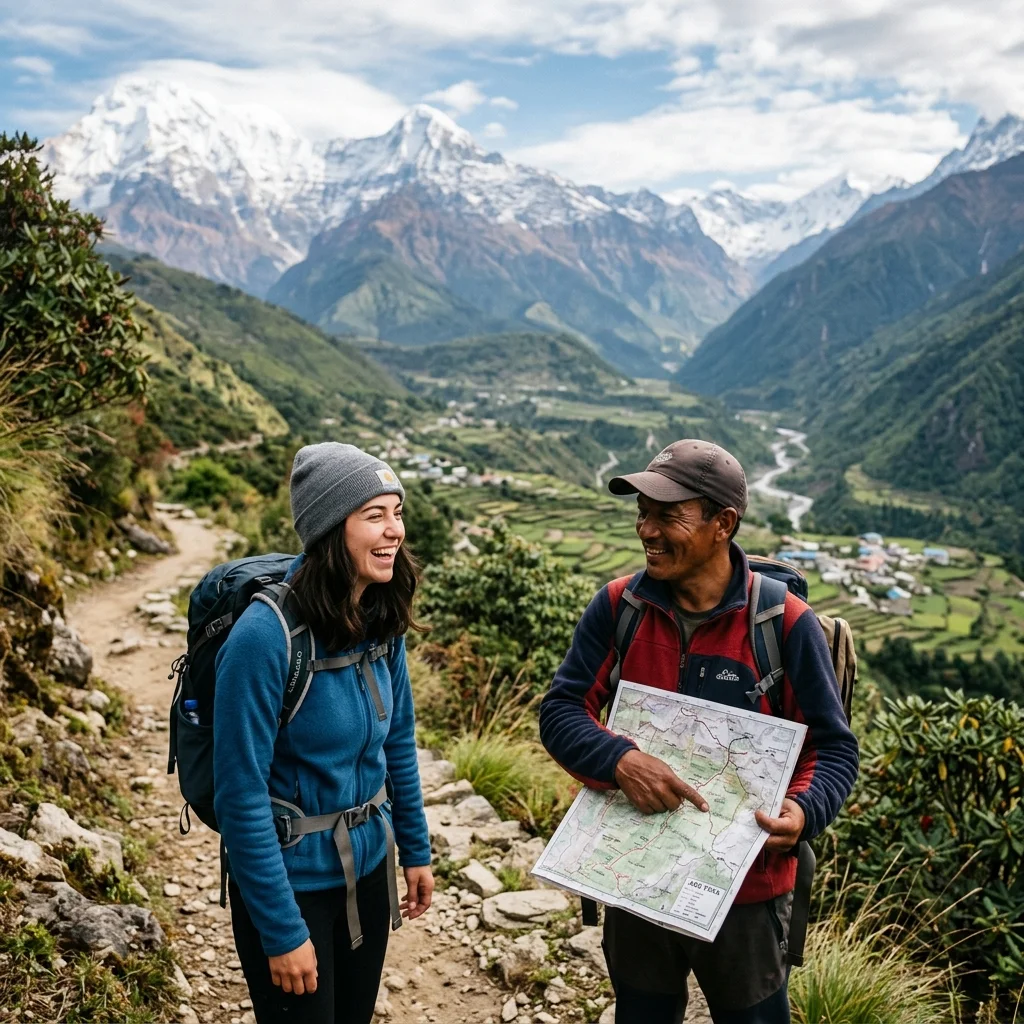
They put money directly into the communities that host you, which matters. The adventure destinations that remain genuinely worth visiting are the ones where the local economy benefits from tourism — not just the aggregators and booking platforms sitting far away.
Gear and Safety Essentials Every Beginner Needs
The goal is not to pack more. The goal is to pack the right things. Follow function over quantity and you will move faster, carry less, and arrive in better shape.
Pack a Mountain Backpack, Not a Suitcase
In natural environments, a quality mountain backpack outperforms a wheeled suitcase in every meaningful way. Pack technical clothing designed for layering — synthetic fabrics or merino wool that manage moisture and regulate temperature rather than trapping it. Merino is worth the investment specifically because it handles odor across multiple consecutive days of wear.
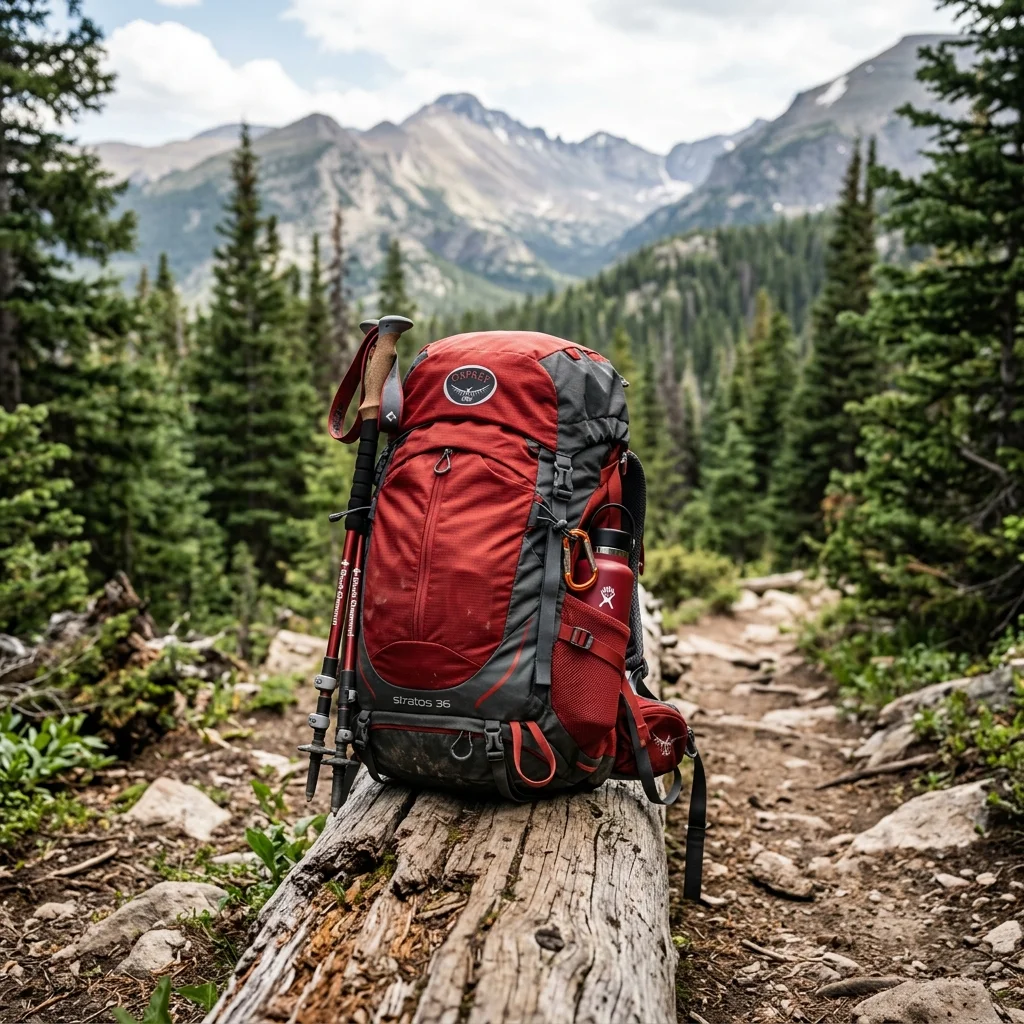
Wear your trekking boots before you leave home. Break them in properly on real walks — not just around the house. Blisters on day two of a five-day trek are not a minor inconvenience. They can end the trip early.
Adventure Travel Insurance: The One Thing Most Beginners Skip
This is where the most expensive beginner mistake happens. A standard travel insurance policy almost always excludes adventure activities. The exclusion is buried in the fine print, listed as “adventure sports” or “high-risk activities” — and the definition is often broader than you would expect. Guided trekking and recreational cycling tours can fall inside that exclusion depending on the policy.
You need a policy that explicitly names and covers the specific activities you plan to do. Read the policy document, not the marketing page. If anything is unclear, contact the insurer directly and ask them to confirm your planned activities are covered. Get that confirmation in writing.
First Aid Kit Basics and Staying Connected in Remote Areas
Pack a basic kit: antiseptic, bandages, pain relief, blister treatment, and any personal medications you take regularly. Keep it accessible — not buried at the bottom of your pack.
Before entering any area with limited mobile coverage, share your full itinerary with someone at home. Tell them the route, your expected check-in times, and when to call for help if they have not heard from you. That single step is one of the most underrated safety habits in adventure travel.
The Best Countries for Beginner Adventure Travelers
The following destinations stand out because they combine dramatic natural environments with the infrastructure that makes a first adventure trip genuinely manageable.
- Portugal and Slovenia (Europe): Well-marked trail systems, reliable emergency services, and tourism infrastructure built for independent travelers. Both countries offer serious landscape variety without the logistical complexity of less-developed destinations.
- Costa Rica and Peru (Latin America): Two of the world’s most established ecotourism destinations. Both are global leaders in the category. Their local adventure tourism industries offer guided options ranging from soft jungle hikes to multi-day organized treks — infrastructure refined over decades.
- Thailand and Indonesia (Asia): Strong backpacker networks, established adventure tourism operators, and travel logistics that make solo first-time travel genuinely manageable. Both countries also have large international traveler communities, which helps when you are still building road confidence.
What to Do When Things Do Not Go to Plan
Weather changes without warning. Flights get canceled. Trails close after rain or landslides. These are not signs that your trip has failed — they are part of what makes adventure travel different from a package holiday.
The travelers who handle disruption best are the ones who build flexibility into their plans from the start. A loose day here and there is not wasted time. It is the buffer that saves the trip when the unexpected shows up.
Leave No Trace is a principle, not a slogan. Pack out everything you pack in, keep your distance from wildlife, and do not disturb natural formations or cultural sites. The places worth visiting tomorrow exist because of how travelers treated them today.
The One Thing Most First-Trip Guides Do Not Tell You
Most guides explain how to plan a trip. Here is what they tend to skip.
The gap between your first adventure trip and your second is where the real shift happens. The first trip proves to you that you can do it. The second is when you start knowing what you actually want from it — the terrain that suits you, the pace that works, the trade-offs worth making.
Start with something that genuinely matches your current level. Take the safety steps seriously — not as formalities, but as the things that keep the experience from turning into a crisis. And do not let ambition push you into terrain your preparation does not yet support. The trails are not going anywhere. Your window to travel them is longer than it feels right now.
Quick Comparison
| Adventure Category | Physical Demand | Risk Level | Target Audience | Example Activities |
|---|---|---|---|---|
| Soft Adventure | Manageable physical demands | Relatively low risk | Most first-timers and recreational travelers | Marked trail hiking, recreational cycling, snorkeling, wildlife watching |
| Hard Adventure | Serious physical conditioning and training required | High risk with active management needed | Conditioned and technically trained travelers | High-altitude mountaineering, Class IV and V whitewater rafting, technical scuba diving, skydiving |
Frequently Asked Questions
What is the difference between soft and hard adventure travel?
Soft adventure involves lower-risk activities with manageable physical demands, such as recreational cycling or trail hiking. Hard adventure requires serious physical conditioning, specialized technical training, and active risk management for activities like mountaineering or technical scuba diving.
How should a beginner prepare physically for their first adventure trip?
Beginners should start training three to four weeks before departure. Instead of general gym sessions, focus on real outdoor movement at a similar pace, duration, and terrain to what your actual itinerary will demand.
Does standard travel insurance cover adventure activities?
No. Standard travel insurance policies typically bury exclusions for “adventure sports” or “high-risk activities” in the fine print. To protect yourself, secure a policy that explicitly names and covers every activity you plan to do, and get that confirmation in writing.
Why should first-time adventure travelers hire a local guide?
Local guides offer invaluable knowledge of route safety, weather cues, and shortcuts that maps cannot capture. Additionally, hiring local professionals keeps travel expenditures directly within the host community’s economy.
What type of luggage and clothing is best for adventure travel?
A high-quality mountain backpack is far better than a wheeled suitcase. For clothing, pack technical layers made of synthetics or merino wool, which manages moisture, regulates body temperature, and resists odors over multiple days of wear.
Sources
Adventure Travel News – Adventure Market Trends
Adventure Travel Trade Association (ATTA)
Ladevi – Travel Industry Reports and Statistics
Assist Card – Travel Tips and Health Coverage
