
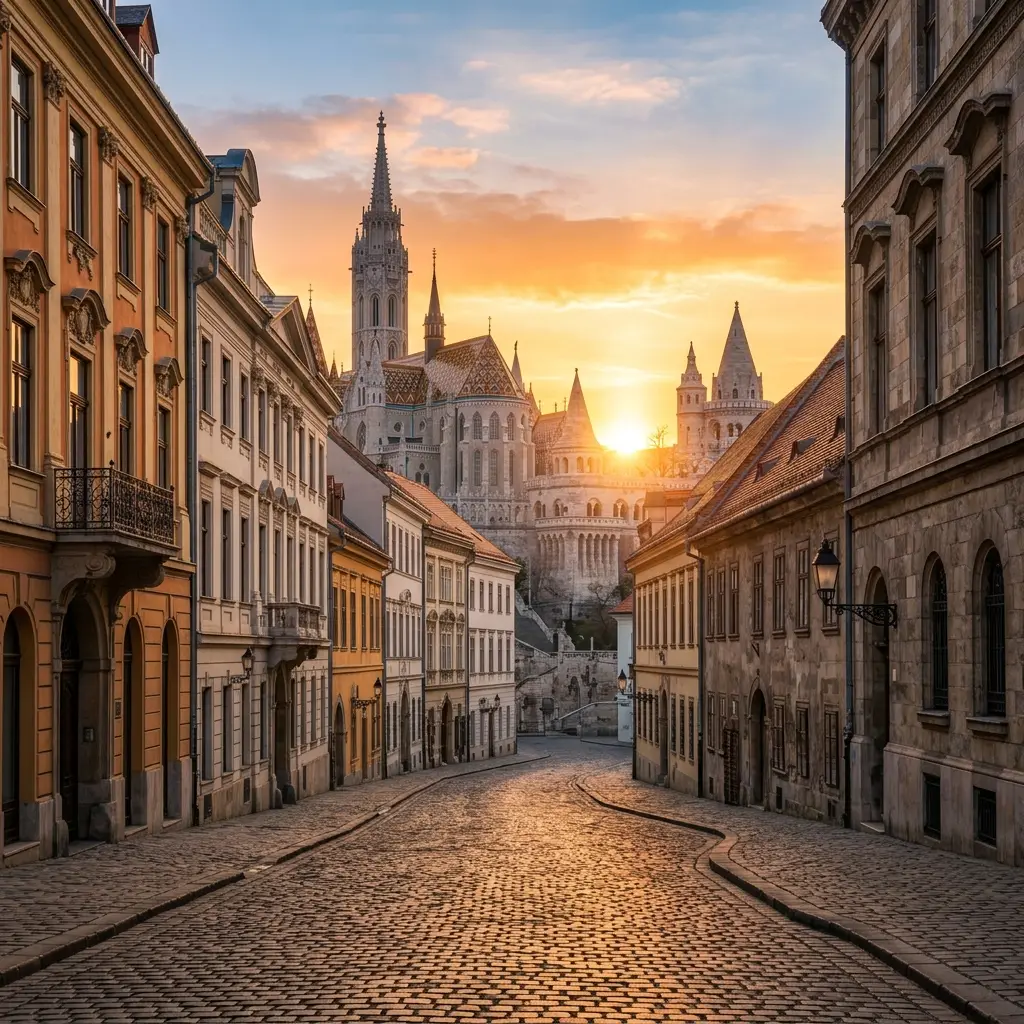
Solo travel is one of the most clarifying experiences a woman can give herself. No compromises on pace, no negotiating the itinerary, no explaining why you want to spend an entire afternoon in a bookshop. But before the freedom kicks in, there’s usually one question that pulls at every woman planning her first — or fifth — solo trip: where is it actually safe to go?
The good news is that “safe” isn’t just a feeling anymore. Global research institutions publish rigorous, data-driven indices every year that rank countries on measurable factors: women’s legal rights, levels of political conflict, rates of violence, and quality of public infrastructure. This guide draws directly on that research — and adds the honest, practical context those rankings alone don’t give you.
How Researchers Actually Measure Safety for Women Travelers
Before choosing a destination, it helps to understand what you’re actually measuring when you look at a country’s safety score. Two indices do this better than anything else currently available.
The Women, Peace and Security (WPS) Index
Produced jointly by the Georgetown Institute for Women, Peace and Security and the Peace Research Institute Oslo (PRIO), the WPS Index evaluates more than 170 countries across 13 distinct indicators. These fall into three categories: inclusion (financial, educational, and employment access for women), justice (legal protections against discrimination), and security (freedom from violence at home and in public). A country that ranks highly on this index isn’t just a pleasant place to visit — it’s a place where structural protections for women are genuinely embedded in society.
That distinction matters. High WPS scores tend to correlate with lower street harassment, stronger legal recourse if something goes wrong, and more reliable public institutions you can turn to for help.
The Global Peace Index (GPI)
Published annually by the Institute for Economics and Peace, the GPI ranks independent nations on societal safety, levels of militarization, and the presence of ongoing internal or external conflict. Think of it as measuring the ambient temperature of a country — how settled and stable daily life feels for everyone in it, residents and visitors alike. A strong GPI score means low crime rates, minimal political turbulence, and a population that isn’t living under strain.
The part most solo travelers overlook: a country can rank well on one index and not the other. High peace levels don’t automatically translate to strong protections specifically for women. The most reassuring destinations are those that score well on both.
Countries That Lead on Both Peace and Women’s Safety
Some destinations consistently sit at the top of both indices. These aren’t marketing claims — they’re the result of years of stable, measurable social conditions.
Iceland: The World’s Most Peaceful Country, Consistently
Iceland has held the top spot on the Global Peace Index every single year since 2008. That’s not a streak — that’s a structural reality. Crime rates are so low that the concept of locking your car in a rural area is almost a cultural afterthought. Gender equality is written into institutions, not just law — Iceland routinely ranks first or second globally on the World Economic Forum’s Gender Gap Index as well.
In practice, this translates to a country where solo hiking through lava fields, camping near geothermal springs, or driving the Ring Road alone at midnight in summer feels genuinely unremarkable. The landscape is extraordinary and the logistics are simple. The main risks here have nothing to do with people — they’re weather-related and terrain-related, which is a very different kind of planning problem, and a much more manageable one.
Japan: Infrastructure That Works for Solo Women Specifically
Japan is famous for its safety, but it earns that reputation in specific, observable ways that matter especially for solo female travelers. Unattended bags in cafés genuinely don’t disappear. Major train networks in Tokyo and Osaka operate women-only carriages during rush hours. Convenience stores — which are everywhere and open around the clock — function as informal safe spaces: well-lit, staffed, with working phones and a social expectation of helpfulness.

The culture places high value on privacy and non-interference, which solo travelers tend to experience as respectful rather than cold. You are unlikely to be followed, harassed, or pressured. Navigation is intuitive once you’re familiar with the transit apps, English signage is reliable in cities, and the tourism infrastructure is among the most organized in the world. Japan rewards the traveler who does a little preparation — and that preparation pays off immediately.
Denmark, Sweden, and Finland: The Scandinavian Standard
Denmark led the WPS Index with a score of 0.932, with Sweden and Finland close behind. What makes the Scandinavian countries particularly practical for solo travel isn’t just their safety scores — it’s the ease of being there. English is spoken fluently by nearly the entire population. Public transport runs on schedule. Social norms are egalitarian and direct, meaning interactions with strangers tend to be polite without being overwhelming.
For a first solo trip, this region removes a lot of the friction that makes travel stressful. You’re unlikely to get lost in a way that can’t be quickly fixed, and you’re unlikely to encounter situations where you don’t know who to trust. The cost is real — Scandinavia is expensive — but the confidence it builds as a solo traveler makes the investment worth considering.
Accessible, Welcoming, and Worth the Journey
Top-ranked countries aren’t always the most practical starting point, whether for budget reasons or because you want something warmer, more culturally immersive, or closer to home. These destinations offer strong safety conditions alongside more accessible entry points.
Portugal: The Easiest First Solo Trip in Europe
Portugal has quietly become one of the most recommended starting points for solo female travelers in Europe, and the reasons are concrete. Lisbon and Porto both have lively hostel cultures — the kind where meeting other travelers over breakfast is the norm rather than the exception — which takes the edge off the first few days of being alone. The cost of living is significantly lower than northern Europe. The climate is mild. Locals are genuinely hospitable.
Communication is rarely an issue. Most Portuguese people in tourist areas speak some English, and Spanish speakers will find themselves surprisingly comfortable too. The biggest practical concern is pickpocketing in crowded tourist corridors — the same issue you’d face in any popular European city — which is easy to mitigate with a crossbody bag and basic awareness.
Costa Rica: Biodiversity, Surf, and the “Pura Vida” Reality
Costa Rica works well for a specific kind of solo traveler: someone who wants nature, activity, and a ready-made social environment. Surf towns like Santa Teresa and Tamarindo, yoga retreat communities, and wildlife lodges near national parks all generate a high density of like-minded travelers, which makes meeting people organic rather than forced.
The honest caveat: San José requires more awareness than the countryside. Petty theft in the capital and in crowded bus terminals is a genuine issue, not a theoretical one. The standard advice — don’t display expensive gear, use registered taxis or Uber, avoid arriving anywhere unfamiliar after dark — applies here more than it does in Iceland or Japan. That said, hundreds of thousands of women travel Costa Rica solo every year without incident. The key is understanding which version of the country you’re in at any given moment.
Canada: Vast, Organized, and Genuinely Multicultural
Canada ranks 17th on the WPS Index, making it the strongest performer in the Americas. Its infrastructure is built for independent travel: well-marked highways, reliable domestic flights, and cities — Vancouver, Toronto, Montreal — that are clean, navigable, and culturally diverse in ways that make solo travelers feel absorbed rather than conspicuous.
The scale of Canada is both its appeal and its planning challenge. Distances between destinations are enormous. Road trips through the Rockies or across the Maritimes are extraordinary, but they require real logistical thought — not just GPS. This is a destination that rewards travelers who enjoy the process of planning, and where that planning pays off with experiences that are genuinely hard to find anywhere else.
Tools That Actually Help in the Field
Every experienced solo traveler has a short list of tools they rely on. These are the ones that consistently make a difference.
- Google Maps offline: Download the map of your destination before you arrive. Having turn-by-turn navigation without needing cellular data is more useful than it sounds at midnight in a city you don’t know yet.
- Google Translate with camera mode: Point your phone at a sign, menu, or label and get an instant translation — no typing required. Download the language pack for your destination beforehand so it works without internet.
- Country-specific safety apps: In Japan, Safety Tips and NERV send real-time alerts for earthquakes, severe weather, and tsunami warnings — genuinely useful in a seismically active country. Research the equivalent for wherever you’re going before you land.
- An eSIM before departure: Virtual SIM services let you activate mobile data the moment you land, without hunting for a local SIM card or relying on airport Wi-Fi. This is one of the highest-return small investments in solo travel logistics.
The Safety Risks That Rankings Don’t Tell You
Here’s what most solo travel guides skip: the countries at the top of global safety indices often have their most serious hazards in the natural environment, not the social one. Adjusting your risk thinking accordingly matters.
Unpredictable weather, active volcanic terrain, and large wildlife — bears and moose in Canada, sudden whiteouts and flash flooding in Iceland — are the real safety considerations in these countries, not crime. Before any hike or backcountry route, register your itinerary with local park rangers or the relevant authority. Check conditions the morning you leave, not the night before. Respect wildlife distance guidelines — they exist because the animals are large and the distances matter.
Petty Theft in High-Traffic Tourist Areas
Costa Rica and popular European cities share one common vulnerability: opportunistic theft in crowded spaces. The pattern is consistent — distraction, a moment of inattention, and something disappears. The countermeasures are equally consistent: keep bags in front of you on public transport, never leave a bag unattended on a beach, and don’t leave valuables visible in parked rental cars. These aren’t fear tactics — they’re the practical habits that experienced travelers develop after their first incident.
Arrival Logistics That Actually Reduce Risk
One thing that genuinely increases risk is avoidable: arriving in an unfamiliar city late at night without confirmed accommodation and onward transport. Pre-booking your first night’s stay in a neighborhood with strong reviews from other solo female travelers, and knowing exactly how you’re getting from the airport before you land, removes a disproportionate amount of the situations where things can go wrong. Sharing your real-time location with someone at home through Google Maps or Find My Friends isn’t paranoia — it’s a five-second setup that provides a meaningful backup.
A Final Thought on Choosing Where to Go
The index rankings are a starting point, not a verdict. What they tell you is where the structural conditions are most reliably in your favor. What they can’t tell you is which destination will actually suit the way you travel, what you’re drawn to, and what kind of challenge you’re ready for right now.
Start where the friction is lowest. Build from there. The woman who spends a week alone in Lisbon and another in Reykjavík is a different traveler by the end of it — and that traveler is ready for somewhere harder, stranger, and more rewarding than either.
Sources
- Georgetown Institute for Women, Peace and Security (WPS Index)
- Institute for Economics & Peace (Global Peace Index)
- Instituto Costarricense de Turismo (Visit Costa Rica)
- Government of Canada Travel Advisory
- Japan National Tourism Organization
- Revista Diners
- Bloomberg Línea
Quick Comparison
| Destination | WPS Index Rank/Status | Global Peace Index Rank | Key Safety Feature / Strength | Primary Travel Risk / Concern |
|---|---|---|---|---|
| Iceland | Top-tier | 1st (since 2008) | Egalitarian institutions, low crime rates | Weather and terrain-related hazards |
| Japan | Top-tier | Top-tier | Women-only train carriages, 24/7 convenience stores | Natural hazards (earthquakes, tsunamis) |
| Denmark | 1st (0.932 score) | Top-tier | On-schedule transit, egalitarian social norms | High cost of travel |
| Sweden | Close behind Denmark | Top-tier | Fluent English, on-schedule transit | High cost of travel |
| Finland | Close behind Denmark | Top-tier | Fluent English, on-schedule transit | High cost of travel |
| Portugal | Not mentioned | Not mentioned | Lively hostel cultures, lower cost of living | Pickpocketing in crowded tourist corridors |
| Costa Rica | Not mentioned | Not mentioned | Nature, surf/yoga community density | Petty theft in San José and bus terminals |
| Canada | 17th (strongest in Americas) | Not mentioned | Organized transit, clean/navigable cities | Natural hazards (wildlife), vast travel distances |
Frequently Asked Questions
Which country is ranked as the safest for solo female travel?
Iceland is ranked as the most peaceful country in the world on the Global Peace Index and sits at the top of women’s safety rankings. Denmark is the top-performing country specifically on the Women, Peace and Security (WPS) Index.
What are the main safety risks for solo travelers in Iceland and Canada?
In Iceland and Canada, the most serious safety hazards are environmental and natural rather than social. These include unpredictable weather, active volcanic terrain in Iceland, and large wildlife like bears and moose in Canada.
Are there specific transit options that make travel safer for women in Japan?
Yes, Japan’s major train networks in Tokyo and Osaka operate women-only carriages during rush hours to prevent harassment. Additionally, 24/7 convenience stores act as informal, well-lit safe spaces across the country.
Is Portugal a good destination for a first-time solo female traveler?
Yes, Portugal is highly recommended for first-time solo female travelers due to its lower cost of living, hospitable locals, and lively hostel cultures that make it easy to meet other travelers. The primary safety concern is pickpocketing in crowded tourist areas.
What should I watch out for when traveling solo in Costa Rica?
While Costa Rica is welcoming with active surf and yoga communities, travelers should exercise more caution in the capital, San José, and at bus terminals where petty theft is a concern. Avoid displaying expensive gear and only use registered taxis or Uber.
How can I prepare for arrival in a new city to reduce travel risks?
You can reduce risk by pre-booking your accommodation in neighborhoods with strong solo traveler reviews and planning your transport from the airport before you land. Avoid arriving late at night when possible and share your real-time location with a contact at home.
