
A family holiday that doesn’t leave you financially wrecked for the rest of the year is more achievable than most parents think. Yes, average holiday spending figures are sobering — research shows families of four can easily spend upwards of €6,000 on a single trip, based on an average of €1,500 per person. But the families who spend far less aren’t sacrificing the fun. They’re just making smarter decisions about where they go and how they plan.
This guide covers the destinations worth considering and the practical moves that actually shift the numbers — not vague advice, but the specific things that make a real difference to what you spend.
Budget-Friendly Destinations Worth Considering
The single biggest lever on your total holiday cost isn’t the hotel — it’s the destination. Go somewhere with low day-to-day costs and everything else gets easier. Here are the destinations that consistently deliver good value for families right now.
Southeastern and Eastern Europe: Underrated and Genuinely Affordable
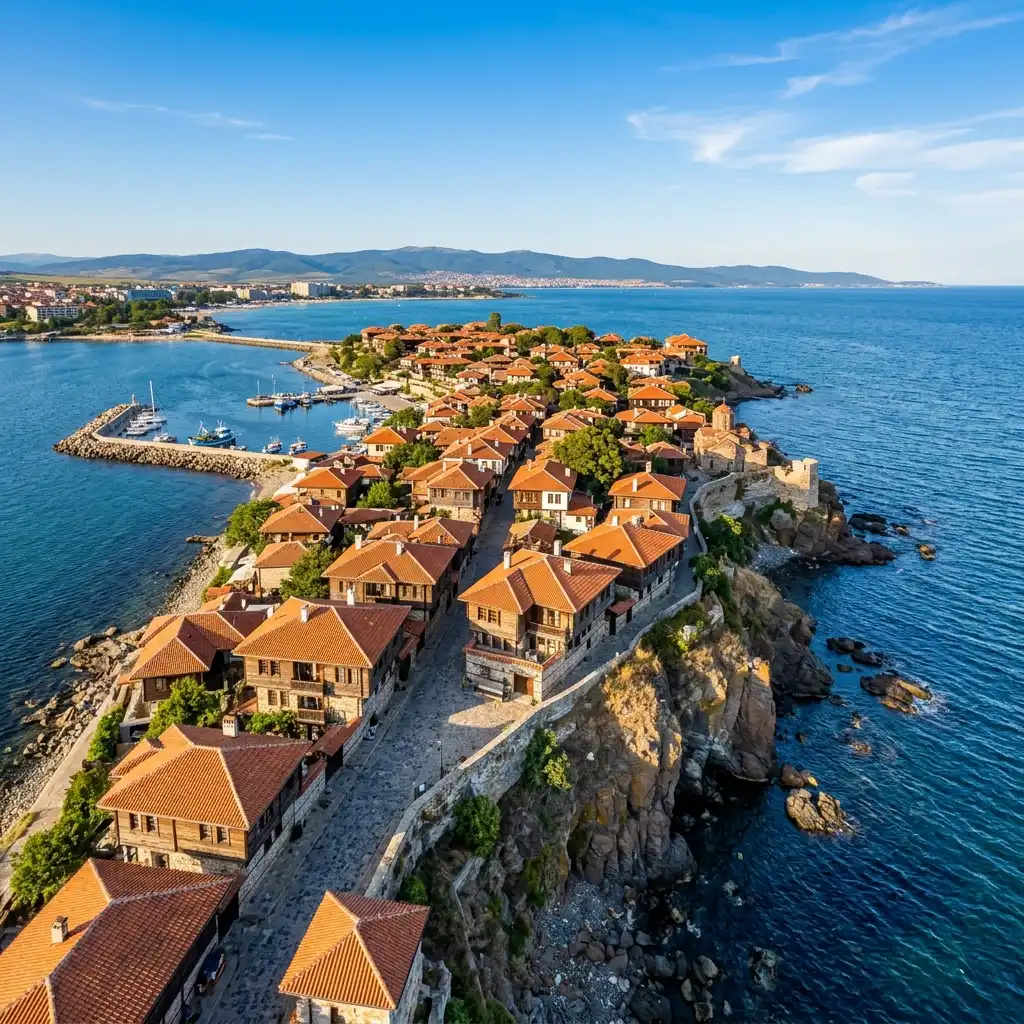
- Bulgaria (Black Sea Coast): Resorts like Golden Sands and Albena offer sandy beaches with gently sloping water — ideal for younger children — and all-inclusive hotels at a fraction of what you’d pay in Western Europe. The infrastructure for families is solid, and the resort areas are well established, which means fewer surprises.
- Albania (Albanian Riviera): Ksamil and Himara have spent the last few years quietly becoming the most talked-about budget destinations in Europe. The water quality rivals Greece, the beaches are stunning, and accommodation and restaurant prices haven’t caught up with the scenery yet. That gap will narrow — this is worth visiting sooner rather than later.
- Poland: Often overlooked as a family holiday destination, Poland is a strong choice for parents who want something more than a beach week. Kraków is genuinely fascinating for older children, Energylandia is one of Europe’s most affordable large theme parks, and the historic Wieliczka Salt Mine near Kraków is one of those rare attractions that children and adults both find genuinely remarkable. Entry prices are low by any European standard.
Mediterranean All-Inclusive: When It Actually Makes Sense
All-inclusive gets a bad reputation in some travel circles, but for families — especially those with younger children — it can be the most cost-transparent and genuinely affordable option. When you know the full cost upfront and don’t have to budget for every meal and snack, the final number is often lower than a self-catering trip to a pricier country.
- Turkey (Turkish Riviera): The area around Antalya and Side has built its entire tourism infrastructure around families. Large waterparks, kids’ clubs, and well-run all-inclusive packages are the norm here, not the exception. Quality has improved significantly in recent years, and the exchange rate has made Turkey particularly competitive for European visitors.
- Egypt (Hurghada and Makadi Bay): Year-round sunshine, calm Red Sea waters, and resort hotels that are purpose-built for families make Hurghada one of the most reliably affordable beach destinations available. Snorkelling and glass-bottom boat trips give children something beyond the pool — and neither costs much.
Long-Haul on a Budget: When the Numbers Actually Work
Long-haul travel and budget travel feel like a contradiction — but they’re not, under the right conditions. The key variable is length of stay.
- Thailand (Koh Lanta and beyond): Flights for a family are a significant upfront cost. But once you’re there, day-to-day spending — food, transport, beachside guesthouses — is genuinely low. A two-week minimum is usually where the maths starts to work in your favour. Thailand is also considered one of the most child-friendly countries in the world, and the slower-paced islands like Koh Lanta suit families far better than the busier party destinations. Under 14 days, the flight cost is hard to justify. At three weeks, it can be one of the most affordable family trips you take.
- Morocco: For families who want something genuinely different — desert landscapes, historic medinas, riads with rooftop terraces — Morocco offers a high experience-to-cost ratio. Traditional riads in cities like Marrakech or Fès are often surprisingly affordable, and the novelty factor for children is high. It’s worth researching the right areas to stay; some riads are within labyrinthine medinas that are exciting to explore during the day but need some navigation planning with young children.
What Actually Moves the Needle on Family Travel Costs
Choosing the right destination does most of the heavy lifting. But the way you plan within that destination determines whether you actually save money or just think you did.
Travel at the Edges of School Holidays
School holidays are the single biggest driver of inflated prices for families. If you have any flexibility at all, the last week of June and the first two weeks of September are consistently cheaper than peak July and August — sometimes significantly so. Flights, hotels, and package deals all price dynamically based on demand. Shifting your dates by even a week can save hundreds.
One move worth considering: check departure airports in neighbouring regions or states where school holidays begin or end on different dates. A one-hour drive to a different airport can open up meaningfully cheaper options, because you’re departing from a location where demand hasn’t yet spiked.
Self-Catering vs. All-Inclusive: The Real Comparison
The honest answer is that it depends entirely on the destination. In an expensive country, self-catering in an apartment still means expensive supermarkets and restaurants — it just shifts the spending from the hotel bill to your daily costs. In a genuinely low-cost destination, self-catering lets you live cheaply. In a mid-range destination, all-inclusive can actually work out cheaper when you add everything up.
The mistake most families make is assuming self-catering is always the budget option. Run the real numbers for your specific destination before deciding. Apartments and holiday rentals do offer something all-inclusive never can — space and flexibility, particularly for families with younger children who need nap schedules and early bedtimes — so there’s a lifestyle case for them even when the cost case is neutral.
If you’re choosing a hotel, always check whether children sleep free in the parents’ room. At many family-oriented hotels, a double room with a rollaway bed is substantially cheaper than booking a designated family room.
Activities That Don’t Cost Much
Theme parks and paid attractions eat budgets fast. The reality is that children — especially younger ones — often get more out of a beach day, a forest walk, or exploring a local market than they do from a €50-per-head theme park visit that runs the family ragged. Save the paid attractions for one or two genuinely special days rather than building your schedule around them.
Before you travel, check whether major museums or cultural sites at your destination offer family tickets, free children’s entry, or specific free-entry days. Many do. It takes five minutes of research and can eliminate a significant line item from your holiday budget.
Travelling as a Group
One of the most underused budget strategies is travelling with another family or with grandparents. A large holiday house split between two families — or two generations — costs far less per person than separate bookings, and often comes with a private garden or pool that removes the need to pay for beach clubs or water parks. The added benefit: adults can share childcare duties, which changes the character of the holiday entirely. Parents actually get to rest, which is the point.
The Costs Most People Don’t Budget For
This is where budget holidays fall apart. The headline price looks right, and then the trip costs €800 more than expected.

- Beach costs: Sun loungers and umbrellas aren’t always free, and at popular resorts they add up daily. Find out in advance whether your hotel provides beach access, or factor in a daily charge.
- Drinks and snacks outside the package: Even on all-inclusive, premium drinks or snacks outside meal times often cost extra. With children, this is a daily reality — build it into your estimate rather than being surprised.
- The long-haul breakeven point: For destinations like Thailand, the maths only favour you at a minimum of two weeks. A 10-day trip to Southeast Asia rarely works out cheaper than a two-week Mediterranean holiday, once flights are included.
- Quality thresholds: The cheapest available option in any category — flight, hotel, transfer — carries genuine risk. Poor hygiene, unreliable service, and misleading photos are real possibilities. Check reviews on established platforms before booking. HolidayCheck is particularly useful for European resort hotels because the review base skews toward families, which means the feedback reflects what actually matters to your trip.
Making It Work Without Cutting Corners That Matter
Budget family travel isn’t about booking the cheapest thing in every category. It’s about being intentional: spending where it makes the holiday, and cutting where it doesn’t. The destination does most of the work. The planning protects the budget once you’re there.
The families who pull this off consistently aren’t necessarily the most frugal — they’re the most prepared. They’ve run the real numbers, picked a destination where costs are structurally low, and built a simple estimate that includes the costs most people forget. That’s the whole system. It’s not complicated, but it requires actually doing it before you book.
Sources
- Stiftung Deutschland im Plus – Analysis of travel budgets and consumer behaviour
- Sparkasse Financial Portal – Guide to holiday financing and budget planning
- BAT-Stiftung für Zukunftsfragen – German Tourism Analysis and travel trends
- Federal Statistical Office (Destatis) – Data on holiday spending and social participation
- HolidayCheck – Price comparisons and hotel reviews for family holidays
Quick Comparison
| Destination | Best For | Cost Profile | Key Highlights |
|---|---|---|---|
| Bulgaria | Younger children & budget beach seekers | Affordable all-inclusive packages | Golden Sands, Albena, sandy beaches |
| Albania | Stunning beaches & scenery seekers | Very low (prices haven’t caught up yet) | Ksamil, Himara, Greece-rivaling water |
| Poland | Active sightseeing & theme parks (older kids) | Genuinely affordable with low entry prices | Kraków, Energylandia, Wieliczka Salt Mine |
| Turkey | Resort holidays & family entertainment | Highly competitive due to exchange rate | Antalya, Side, waterparks, kids’ clubs |
| Egypt | Year-round sun & water activities | Reliably affordable beach resorts | Hurghada, Makadi Bay, snorkelling |
| Thailand (Koh Lanta) | Long-haul family trips (2+ weeks) | Low day-to-day (high upfront flight costs) | Koh Lanta, child-friendly slow-paced islands |
| Morocco | Cultural exploration & novelty experiences | High experience-to-cost ratio | Marrakech, Fès, traditional riads, desert landscapes |
Frequently Asked Questions
Is all-inclusive or self-catering cheaper for a family holiday?
It depends entirely on the destination. In expensive countries, self-catering still involves high supermarket and restaurant prices, whereas in low-cost destinations, self-catering lets you live very cheaply. For mid-range countries, all-inclusive packages often work out cheaper by covering all meals and snacks upfront.
When is the cheapest time to travel during school holidays?
The cheapest times to travel are at the edges of school holidays, specifically the last week of June and the first two weeks of September. Shifting your dates by even a week can save hundreds of euros. You can also find cheaper flights by checking departure airports in neighboring regions where school holiday schedules differ.
Is Thailand a budget-friendly destination for families?
Yes, but only for trips lasting at least two weeks. While flights represent a high upfront cost, the daily expenses for food, transport, and beachside lodging are extremely low. For trips under 14 days, the flight costs are hard to justify compared to a Mediterranean holiday.
How can families save money on holiday accommodation?
One of the most effective strategies is traveling as a group with another family or grandparents to split the cost of a large holiday house. When booking hotels, check if children can sleep free in the parents’ room, as a double room with a rollaway bed is often much cheaper than a designated family room.
What hidden vacation costs do families often forget to budget for?
Common unbudgeted expenses include daily fees for sun loungers and umbrellas, and extra drinks or snacks outside of package deals. Additionally, booking the cheapest options can lead to unexpected issues with hygiene or service, so it is important to verify hotels beforehand on platforms like HolidayCheck.
