
Budget figures lie. Most “cheapest countries to travel” articles hand you a daily number and leave out what actually matters. What does that budget include? Does the flight cost cancel the savings before you even land?
This guide covers seven destinations across three continents where your money genuinely goes further in 2026. For each one, the daily budget covers accommodation, food, local transport, and at least one paid activity — so you can plan with real numbers. Pairs traveling together typically reduce these per-person figures further.
One cost that gets left out of almost every budget breakdown: visa fees. I’ll flag them where they apply.
Southeast Asia: The World’s Most Developed Budget Travel Circuit
Southeast Asia has been the default starting point for budget travelers for decades, and nothing has changed that. The backpacker infrastructure here — budget guesthouses, frequent intercity bus connections, and street food that genuinely beats most restaurant meals — is hard to match anywhere. Vietnam, Cambodia, and Thailand form a natural overland circuit. You can connect all three without flying, which keeps costs down significantly.
Vietnam
Vietnam consistently delivers the best value-for-money in Southeast Asia. A budget traveler can move comfortably on €20–40 per day, covering a dorm bed, three street food meals, and local transport. Pho from a street stall runs about €1; a Banh Mi is rarely more than €1.50. Both are genuinely good — not “good for the price” good.
One cost left out of almost every Vietnam budget breakdown: the e-visa. Most nationalities pay around €19 (approximately $25 USD) to enter. It’s a one-time cost, but factor it into your total trip math.
Another thing most first-time visitors miss: the north and south of Vietnam have meaningfully different price points. Hanoi and the northern mountains run slightly cheaper than Ho Chi Minh City and the southern coast. If your budget is tight, plan your itinerary around that.
Cambodia
Cambodia remains highly rewarding for budget travelers. Angkor Wat alone makes Cambodia worth the trip. Despite rising entry fees, the surrounding country remains very affordable. Budget accommodation starts around €6 per night for a clean hostel bed, and daily costs of €20–45 cover food, tuk-tuk rides, and general exploration comfortably.
The Angkor pass is the one cost to plan for in advance. A one-day pass costs $37, a three-day pass $62, and a seven-day pass $72. That’s a meaningful chunk of your daily budget, so spread it across enough days. Most visitors find three days the right amount — one day doesn’t do the site justice.
Thailand
Thailand is still affordable, but the details matter. The popular islands — Koh Samui, Koh Phi Phi — have seen significant price increases over the past several years. Budget accommodation that once cost €8 per night now runs €15–20 in peak season on the main tourist islands. Inland and in the north, costs are much lower.
A backpacker staying off the main islands can cover everything on €15–35 per day. Mid-range travelers — private rooms, occasional restaurant dinners — should budget €35–70. Night markets are your best tool for keeping costs down. A full meal costs under €2 — and you’ll eat better than in most tourist restaurants twice the price.

Latin America: Big Landscapes, Low Daily Costs
Latin America offers something Southeast Asia doesn’t: scale. Andean altiplano, Amazon rainforest, Caribbean coastline, coffee-covered hillsides — the range is hard to match anywhere. If you’re already in the Americas, the savings on flights make these destinations even more compelling.
Bolivia
Bolivia ranks as the most affordable country in South America for daily living costs. The €20–40 per day budget is realistic and covers more than you’d expect: accommodation, three meals at market restaurants, and local bus journeys between towns. Almuerzos — the traditional set lunch at local market stalls — often cost under €2 and include soup, a main course, and a drink.

The Salar de Uyuni, the world’s largest salt flat, is the centerpiece of most Bolivia itineraries. And Lake Titicaca, the highest navigable lake in the world, is equally worthwhile. One practical reality: independent access to the Salar is very limited. Most travelers book organized tours from the town of Uyuni — budget tours run approximately €30–45 for three days. Compare operators carefully before booking.
One thing to prepare for: altitude. La Paz sits at 3,640 meters above sea level, and many of Bolivia’s highlights are higher still. Some travelers need altitude sickness medication — Diamox is available locally, but worth discussing with a doctor before departure. Add this to your budget planning. Altitude affects travelers unpredictably, and arranging medication before you fly is much easier than scrambling for it on arrival.
Colombia
Colombia has changed dramatically over the past decade. Major cities like Medellín and Bogotá are now considered safe for tourists. Medellín in particular has earned a strong reputation among digital nomads — low costs, reliable infrastructure, and a lively food and coffee scene. Research conditions by neighborhood before you go. But blanket avoidance based on outdated perceptions means missing one of South America’s most interesting destinations.
Daily costs vary more in Colombia than in other destinations on this list. Budget travelers in smaller coffee-region towns — the Eje Cafetero — can live well on €25–35 per day. Bogotá and Cartagena run higher. The single best cost-saving habit in Colombia: eat your main meal at a local restaurant during lunch. The menú del día — soup, main course, juice, and sometimes dessert — typically costs €2–4. It’s the same food locals eat every day, and it’s almost always better than the tourist menus at twice the price.
Eastern Europe and the Balkans: European Character Without Western Prices
Western Europe is expensive. The Balkans and Eastern Europe don’t have to be. These regions offer a combination that’s genuinely rare: Mediterranean coastlines, deep history, and daily costs closer to Southeast Asia than to Paris or Amsterdam. The infrastructure is solid, the food is good, and the crowds that overrun Dubrovnik and Santorini haven’t arrived yet — in most places.
Albania
Albania has been on the radar of budget-conscious European travelers for several years, and it keeps delivering. The Albanian Riviera — a stretch of Ionian coastline between Sarandë and Himara — is legitimately beautiful. Clear water, small beaches, and none of the overpriced resort atmosphere you’ll find a short ferry ride away in Corfu. Average daily costs run €35–60, higher than the Asian destinations but dramatically lower than Greece or Italy for a comparable coastal experience.
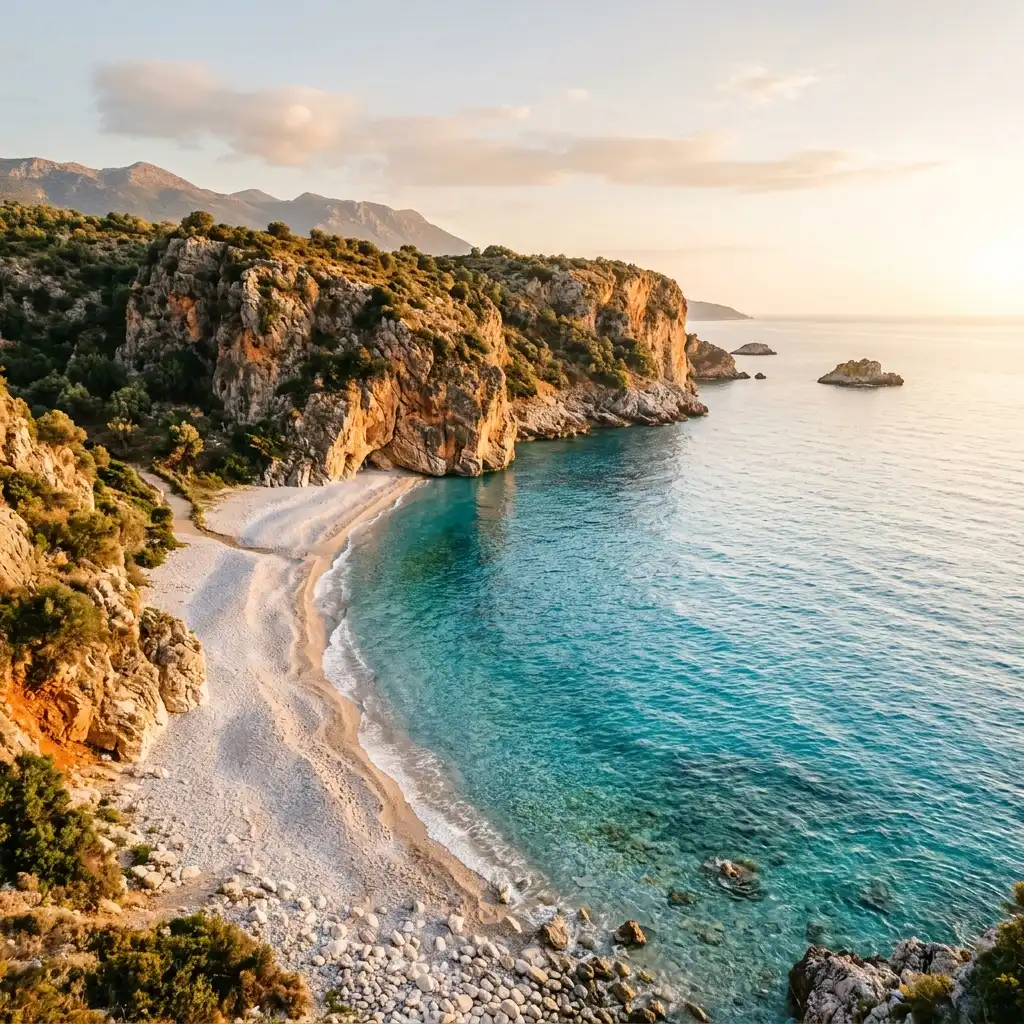
The inland towns are where Albania’s real character shows. Gjirokastër and Berat are both UNESCO World Heritage Sites and, by Western European standards, almost entirely tourist-free. Restaurants there serve traditional Albanian food at local prices — a full dinner with wine rarely exceeds €10.
One honest note: summer on the Albanian Riviera gets busy, and prices climb. The shoulder months — May, June, and September — offer the best mix of good weather and lower costs. This applies broadly across all the destinations on this list, but it’s especially true for Albania’s coast.
Bulgaria
Bulgaria is consistently underestimated. Sofia and Plovdiv are genuinely liveable, historically rich cities. A good dinner with drinks costs less than €15, and a central hostel bed runs €10–12 per night. Daily budgets of €30–50 cover accommodation, food, transport, and entry fees comfortably for a budget traveler.
The public transport network is inexpensive and connects the country well. Trains and buses from Sofia reach the Rhodope Mountains, the Black Sea coast, and Rila Monastery at costs that are almost negligible by Western standards. Rila Monastery is one of Eastern Europe’s most visually striking religious complexes — worth the half-day trip from Sofia. A bus from the capital to Plovdiv, about two hours, costs around €5.
As an EU member, Bulgaria uses the lev rather than the euro — and the exchange rate currently sits favorably for most Western visitors. EU membership also means well-maintained roads, reliable card payment acceptance, and accessible emergency healthcare. Practical reassurances that matter on a long trip.
How to Make Your Budget Go Further
- Run the full math before you book: The destination’s daily cost is only part of the equation. A cheaper flight to a slightly pricier country sometimes produces a lower total trip cost than the reverse. Flight cost divided by number of travel days, plus the daily destination budget — that’s the real comparison number.
- Eat where locals eat: In every destination on this list, the gap between local market food and tourist restaurant food is enormous — in price, and often in quality. Street food in Vietnam, market almuerzos in Bolivia, menús del día in Colombia: these aren’t budget compromises. They’re the real food.
- Book with date flexibility: Mid-week flights and shoulder season travel — a few weeks either side of peak season — can reduce airfare substantially. Use flight search tools with flexible date features and set price alerts well in advance of your travel window.
The mistake most first-time budget travelers make isn’t choosing the wrong destination. It’s landing in the right one without a spending plan, then drifting toward convenience — tourist-area restaurants, private taxis, last-minute accommodation. A cheap country gives you a head start. What you do with it is still up to you.
Sources
- Mochileando por el Mundo
- Los Apuntes del Viajero
- Holafly
- Civitatis
- Always Packed
- Mil y un Viajes por el Mundo
- We Are Global Travellers
Quick Comparison
| Country | Daily Budget | Key Highlights | Important Budget Tip |
|---|---|---|---|
| Vietnam | €20–40 | Hanoi, northern mountains, street food (Pho, Banh Mi) | E-visa costs around €19; northern region is slightly cheaper than the south. |
| Cambodia | €20–45 | Angkor Wat temple complex | Plan for the Angkor pass ($37–$72); a 3-day pass is recommended. |
| Thailand | €15–35 (backpacker) / €35–70 (mid-range) | Inland destinations, northern region, night markets | Avoid popular tourist islands like Koh Samui and Koh Phi Phi to keep accommodation costs low. |
| Bolivia | €20–40 | Salar de Uyuni salt flat, Lake Titicaca, La Paz | Organized tours to the salt flats cost €30–45; prepare for high altitudes. |
| Colombia | €25–35 (smaller towns) | Medellín, Bogotá, Eje Cafetero coffee region | Eat the menú del día during lunch for just €2–4 to save on food costs. |
| Albania | €35–60 | Albanian Riviera, Gjirokastër, Berat | Visit during the shoulder months (May, June, September) to avoid summer price spikes. |
| Bulgaria | €30–50 | Sofia, Plovdiv, Rhodope Mountains, Rila Monastery | Leverage inexpensive public transport and favorable lev exchange rates. |
Frequently Asked Questions
What is the cheapest country to visit in South America?
Bolivia is the most affordable country in South America covered in this guide, where budget travelers can comfortably manage on a daily budget of €20–40. This daily estimate covers accommodation, three market restaurant meals, and local bus travel.
How can I save money on meals while traveling in Colombia?
The single best cost-saving habit in Colombia is to eat your main meal at a local restaurant during lunch and order the menú del día. This set menu typically costs €2–4 and includes soup, a main course, juice, and sometimes dessert, offering the best value and quality.
Are visa fees included in standard travel budget breakdowns?
No, visa fees are typically left out of budget breakdowns. For example, visitors to Vietnam must pay around €19 (approximately $25 USD) for an e-visa, which is a one-time cost that you should factor into your total trip calculations.
When is the best time to visit the Albanian Riviera to avoid high prices?
The best time to visit the Albanian Riviera is during the shoulder months of May, June, and September. During these months, you will avoid the high prices and crowds of the peak summer season while still enjoying good weather.
How much does it cost to visit Angkor Wat in Cambodia?
Visiting Angkor Wat requires purchasing an Angkor pass, which costs $37 for a one-day pass, $62 for a three-day pass, and $72 for a seven-day pass. Most travelers find that a three-day pass is the right amount of time to explore the site.
How can I keep food costs low while traveling in Thailand?
You can keep your food expenses low in Thailand by eating at local night markets. A full and delicious meal at a night market stall typically costs under €2, which is significantly cheaper than eating at tourist restaurants.
