
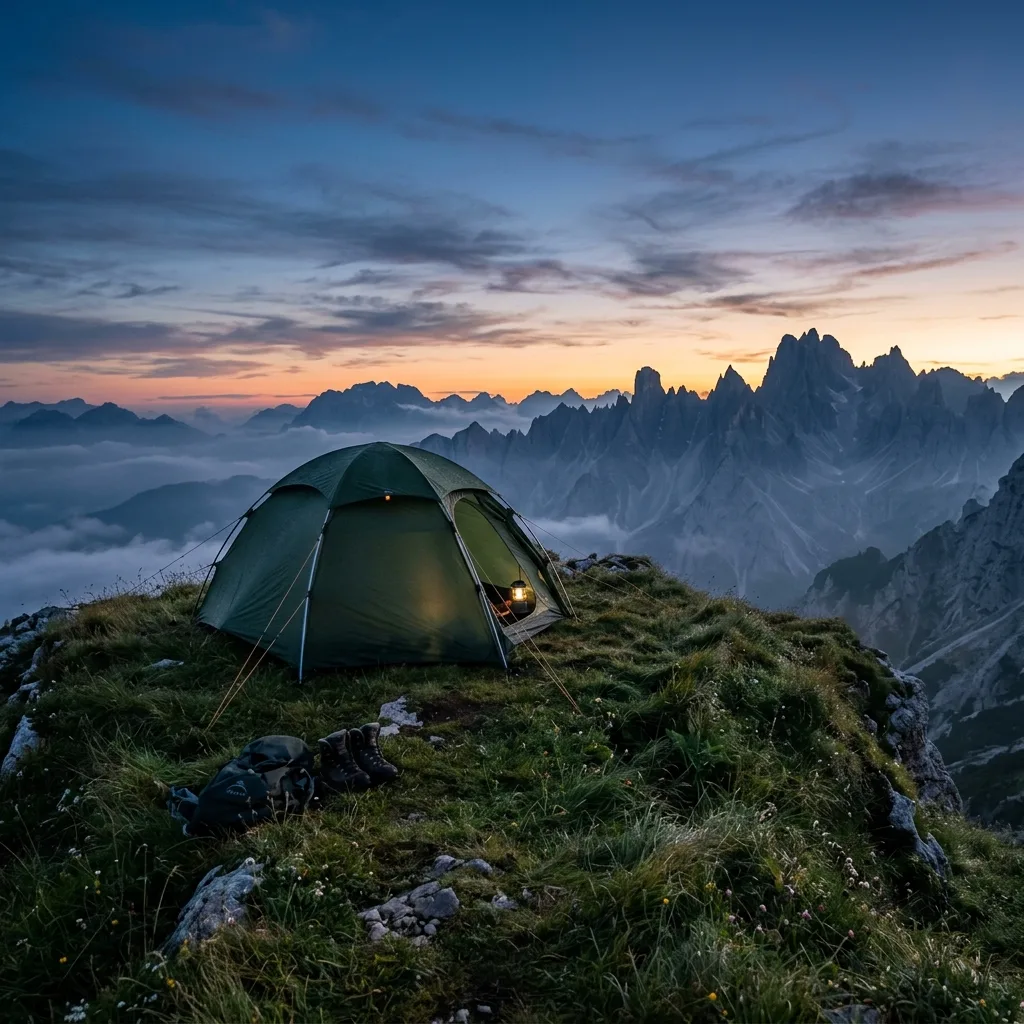
There’s a moment that happens on every great camping trip. You wake before your alarm, before the light has fully arrived, and you hear nothing except the world doing its own thing. Wind through pines. Water over rocks. Something calling in the distance you can’t quite name yet. That moment is what all of this is actually for.
Whether you’ve been dreaming of falling asleep under Namibia’s star-filled sky or waking to the snow-capped peaks of the Canadian Rockies, camping gives you the unfiltered version of a place. This guide covers six of the most extraordinary camping destinations on the planet, the planning realities that catch people off guard every year, and the wild camping rules that vary dramatically from one country to the next.
The Best Camping Destinations in the World
Torres del Paine National Park, Chile
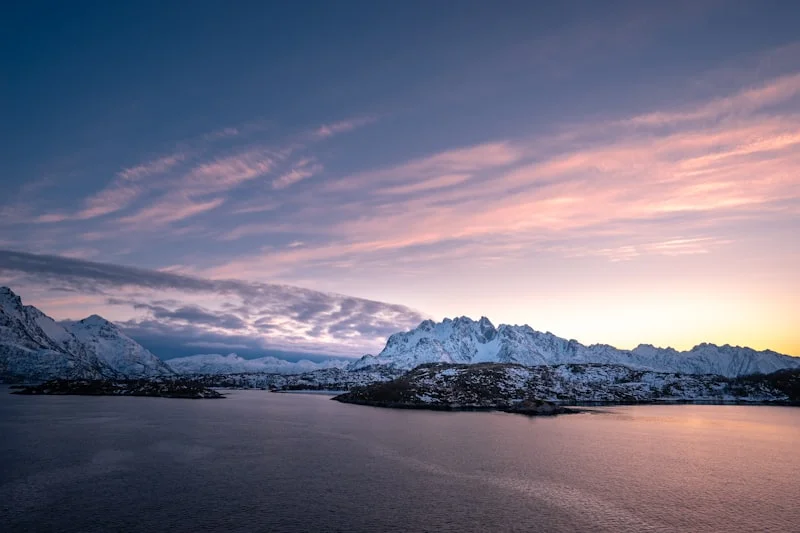
Patagonia doesn’t ease you in gently. The weather at Torres del Paine shifts fast: clear blue sky at breakfast, horizontal sleet by noon. Raw, sculpted by wind, and stunning in a way photographs fail to capture. That’s part of why it looks the way it does.
The W Trek is the main hiking route through the park, and the campsites along it rank among the most spectacular on earth. You set up your tent in the shadow of the granite towers themselves. Peaks that look more like they belong in a fantasy novel than on a real continent. November through March is the window to aim for. Outside that, conditions get genuinely hostile.
If you want the Patagonian experience without sleeping through a full storm, EcoCamp Patagonia offers sustainable geodesic dome tents at the base of the granite range. They’re purpose-built for this environment and far warmer than anything you’d carry in your pack. It’s not traditional camping, but it’s still a real wilderness experience.
One thing most first-timers drastically underestimate: the wind. Not “it gets a bit breezy” wind. The kind that flattens a cheap tent and sends gear airborne. If you’re bringing your own equipment, invest in the best tent pegs you own and stake everything down before you sleep.
Banff National Park, Canada
The Canadian Rockies have a way of making you feel very small, in the best possible way. Banff National Park sits at the heart of all that: dense pine forests, the turquoise water of Lake Louise, and mountain walls that seem to go straight up into the clouds.
Camping here puts you close to wildlife in a way a hotel never will. With a reasonable level of care, you can spot elk, deer, and occasionally bears on a single evening walk. That word “care” isn’t throwaway. Banff is bear country. How you store food at camp matters. Bears that associate food with humans create serious problems for both parties, and bear canisters and campsite food lockers exist precisely for this reason.
Book early. Very early. Peak-season spots in Banff fill months in advance, and showing up without a reservation is a gamble that almost never pays off.
Fiordland National Park and Mount Cook, New Zealand
New Zealand’s South Island rewards people who are willing to improvise. The landscape shifts constantly: fjords like Milford Sound, sub-alpine valleys, and the glacial bulk of Mount Cook, all within a day’s drive of each other. A campervan is the most flexible way to move through it, letting you chase good weather and stop wherever the view earns it.
New Zealand’s Department of Conservation (DOC) manages hundreds of campsites across the country, ranging from fully serviced grounds to backcountry spots that cost very little — some nothing at all — with little more than a flat patch of grass and a composting toilet. Those minimal sites are often the most spectacular. Know what you’re booking before you arrive. Expectations and reality don’t always match here.
Freedom camping exists in New Zealand but is tightly regulated. Most councils only permit it for vehicles with an official self-contained certification, meaning a built-in waste tank and toilet that meet a specific national standard. A van with a bucket doesn’t qualify. Check your vehicle’s certification before assuming any freedom camping nights are available, or you’ll be looking at fines.
Yosemite National Park and Moab, USA
The United States covers enough climate zones and terrain types that you could spend a lifetime camping within its borders and never run out of new ground. Two destinations in particular stand out for the sheer scale and variety of what they offer.
Yosemite is the classic. Camping here means waking up surrounded by granite walls that climbers have spent entire careers studying. El Capitan, Half Dome, the vertical faces that made this valley famous. The ancient giant sequoias add another layer of perspective entirely. There’s nothing quite like standing next to a tree that was already old when medieval cathedrals were being built.
The reality of Yosemite: getting a campsite requires entering a reservation lottery months in advance. Summer spots are competitive in a way that surprises first-time visitors. Plan this one like you’re buying concert tickets, not booking a campsite.
Moab, Utah, is the desert counterpoint. The landscape around the Colorado River is rust-red, vast, and unlike anything in Europe or Asia. Under Canvas operates safari-style glamping tents in the area, blending desert drama with genuine comfort. It’s a strong option for introducing someone to the outdoors who isn’t quite ready for a three-season sleeping bag on hard ground.
Serengeti National Park, Tanzania
Safari camping is a fundamentally different kind of camping. You are not at the top of the food chain. That’s not said to alarm you — it’s said to explain why the experience is unlike anything you can replicate in Europe or North America.
In the Serengeti, some tented camps operate without perimeter fencing. At night, the sounds change. Lions roar across the plain. Hyenas call back and forth in the dark. You’re separated from all of it by a canvas wall, and that distance is closer than your nervous system will be entirely comfortable with at first. That discomfort is exactly what makes it unforgettable.
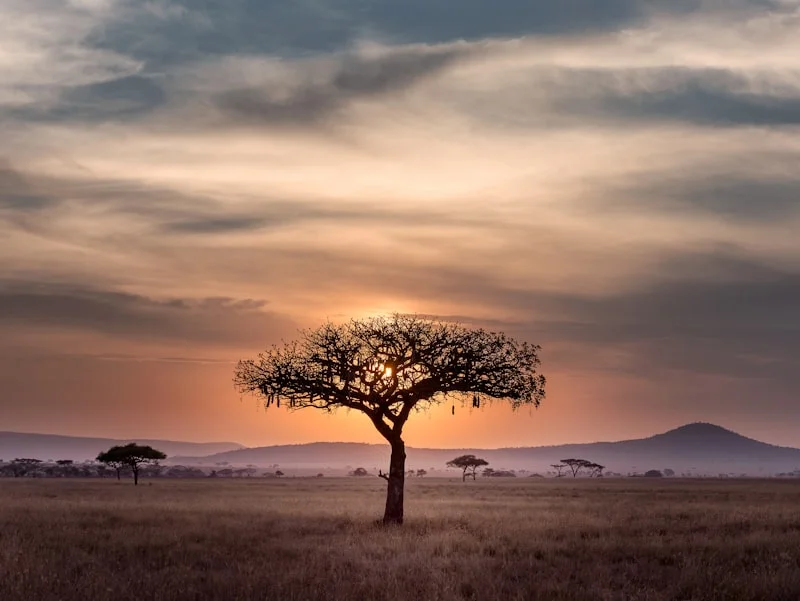
Book these trips only through operators with experienced local guides. This isn’t optional, and it isn’t about hand-holding. An experienced guide knows this landscape and its rhythms in a way no travel app can replicate. They change what you see and ensure you’re not doing anything that puts you or the wildlife at risk.
Lauterbrunnen Valley, Switzerland
Not everything spectacular requires international flights or complex logistics. Lauterbrunnen Valley in Switzerland is one of the most visually striking places in Europe: steep rock walls rising on both sides of a narrow valley floor, with 72 waterfalls threading down from above. The sound of it is something you notice immediately, then stop noticing, then notice again the next morning.
Camping Jungfrau sits on the valley floor with unobstructed views of Eiger, Mönch, and Jungfrau, the three peaks that define this section of the Alps. It’s an excellent base for hiking and climbing routes at every difficulty level. One practical note: July and August are crowded. If your schedule allows, May or early September offers much of the same scenery with noticeably fewer people around it.
Planning Your Trip and the Apps That Actually Help
The most common reason camping trips go wrong isn’t the weather or the gear. It’s showing up without a reservation somewhere that ran out of available spots months ago.
For popular national parks worldwide, including Banff, Yosemite, and Torres del Paine, you’ll often need to book three to six months ahead. Some operate on lottery systems. Some require separate trail permits on top of campsite reservations. Research the specific booking system for each destination before assuming you can arrive and sort it out on the spot.
A few apps worth knowing about:
- CamperMate: The essential companion for New Zealand and Australia. Shows campsite locations alongside practical details like public toilets, dump stations, and drinking water access.
- PiNCAMP and Camping.info: The leading European camping portals. Detailed reviews, facility listings, and direct booking for sites across the continent.
- Rankers Camping NZ: Verified traveler reviews for New Zealand campgrounds, with detailed information on DOC sites specifically — useful for understanding what’s serviced versus what’s genuinely remote.
What most people overlook at the planning stage: timing. The best travel window for Torres del Paine is November through March. Banff’s prime camping season runs June through September. Lauterbrunnen is accessible year-round, but May and early September offer the best balance of weather and manageable crowds. Build the timing into your planning before you book flights, not after you’ve already committed to dates.
Wild Camping: Rules, Risks, and Respecting the Land
Sleeping somewhere with no facilities, no neighbors, and no designated pitch has an obvious appeal. Remoteness is part of what some campers are specifically looking for. The complications arise when the legal and ecological realities of wild camping don’t match the romantic version.
The Legal Landscape at a Glance
In Germany, Austria, and Switzerland, wild camping is generally illegal and carries real fines, especially in protected areas. That’s enforced, not theoretical.
Scandinavia works differently. In Norway and Sweden, the right to roam, a centuries-old tradition with genuine legal standing, allows you to camp in nature for one or two nights without the landowner’s permission, provided you leave no trace and stay a respectful distance from residential buildings. It’s one of the genuinely remarkable things about how those countries relate to their land.
New Zealand’s freedom camping regulations sit somewhere in the middle and regularly catch international visitors off guard. Freedom camping is technically permitted in many areas, but mostly only for vehicles holding an official self-contained certification — a specific standard for built-in waste management. If your rental van isn’t certified, your options are far more limited than the marketing suggests. Check the certification before signing the rental agreement.
Hazards and Ground Rules in the Backcountry
Camping away from infrastructure means exposure to things infrastructure usually handles quietly on your behalf. Weather can turn in minutes in alpine environments. Rockfall is an underestimated hazard in mountain terrain. Wildlife encounters, depending on the continent, range from inconvenient to genuinely dangerous.
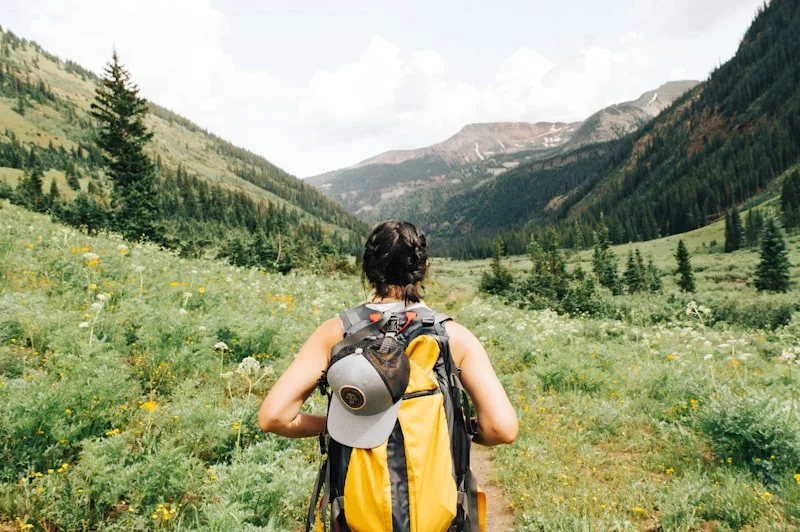
None of that means avoid it. It means go prepared. A few principles that apply everywhere:
- Leave No Trace: Pack out everything you pack in. Leave the site exactly as you found it. It’s the reason these places are still worth visiting.
- No open fires: In most backcountry areas worldwide, open fires are illegal or severely restricted because of wildfire risk. Use a tested gas stove instead. The convenience isn’t worth the risk.
- Respect wildlife: Stay quiet around dawn and dusk when animals are most active. Keep a proper distance. In bear country, that means food storage discipline from the moment you set up camp.
What usually happens in real life: people underestimate how fast conditions change. A clear morning in the mountains can turn into a cold, wet scramble back to camp by early afternoon. The gear that feels excessive while packing tends to be exactly what you’re grateful for when things shift. Bring the rain layer. Bring the extra insulation. You probably won’t need both. Until the day you do.
The Places Worth Protecting
Every destination on this list exists because enough people before you chose to leave it intact. The decision to camp responsibly, to follow local rules, minimize your footprint, and treat each environment as something worth preserving, isn’t idealism. It’s what keeps Torres del Paine looking the way it does in twenty years. It’s what keeps the Lauterbrunnen waterfalls flowing through a valley that hasn’t been developed into something else.
The world’s best camping is physically demanding, sometimes uncomfortable, and completely irreplaceable as a way to travel. Plan well, book early, learn the rules of wherever you’re going. Then go. The stars above the Serengeti aren’t going to wait.
Quick Comparison
| Destination | Key Highlights | Accommodation Options | Key Planning Challenge / Rule |
|---|---|---|---|
| Torres del Paine (Chile) | Granite towers, W Trek, winds | Campsites, geodesic dome tents (EcoCamp Patagonia) | Book 3–6 months in advance; wind safety and strong tent pegs required |
| Banff National Park (Canada) | Pine forests, Lake Louise, wildlife (elk, deer, bears) | Campsites (with food lockers / bear canisters) | Book 3–6 months in advance; strict bear food storage discipline |
| Fiordland & Mount Cook (New Zealand) | Fjords (Milford Sound), sub-alpine valleys, sub-alpine terrain | Backcountry to serviced DOC sites, campervans, freedom camping | Freedom camping requires official self-contained vehicle certification |
| Yosemite & Moab (USA) | Granite walls (El Capitan, Half Dome), sequoias, red desert | Yosemite campsites, Moab glamping tents (Under Canvas) | Yosemite requires reservation lottery; book 3–6 months in advance |
| Serengeti National Park (Tanzania) | Plain wildlife encounters (lions, hyenas) | Unfenced tented camps | Must book through operators with experienced local guides |
| Lauterbrunnen Valley (Switzerland) | 72 waterfalls, Eiger, Mönch, Jungfrau mountain views | Camping Jungfrau | July/August are crowded; May or September visits recommended |
Frequently Asked Questions
How early do I need to book campsites in popular national parks?
For highly popular destinations like Banff, Yosemite, and Torres del Paine, you should book your campsite reservations three to six months in advance. Some parks operate on lottery systems or require separate trail permits on top of standard site reservations, so you must research each specific system before traveling.
What are the rules for freedom camping in New Zealand?
Freedom camping in New Zealand is tightly regulated and generally only permitted for vehicles holding an official self-contained certification. This certification requires a built-in waste tank and toilet that meet specific national standards. Vehicles without this official certification face strict limitations and local fines.
What is the right to roam and where is it allowed?
The right to roam is a centuries-old tradition with legal standing in Norway and Sweden that allows you to camp in nature for one or two nights without permission from the landowner. Under these rules, you are permitted to camp as long as you leave no trace, stay a respectful distance from residential buildings, and follow the principle of not disturbing or destroying nature.
How should I store food when camping in Banff National Park?
Banff National Park is bear country, meaning food storage discipline is critical for safety. You must store all food and scented items in bear canisters or campsite food lockers rather than leaving them in the open or inside your tent. This practice prevents bears from associating humans with food sources, protecting both campers and wildlife.
Is it safe to camp in Serengeti National Park?
Camping in the Serengeti is safe when booked through professional operators with experienced local guides who understand the landscape and wildlife behavior. Some tented camps operate without perimeter fencing, meaning you will hear animals like lions and hyenas near your canvas walls at night. The local guides ensure safety rules are followed to prevent putting anyone at risk.
