
Europe’s reputation for being expensive is real — in some places. London, Oslo, Zurich: yes, your wallet will feel those. But Europe is a continent, not a country, and the price gap between its regions is enormous. With the right destinations, a few smart transport choices, and some basic awareness of the tricks that catch tourists off guard, you can travel across Europe on a budget that would surprise most people who’ve never tried it.
Choosing Destinations That Actually Fit Your Budget
The single biggest lever in your budget is where you go. Two weeks in Paris costs more than two months in parts of the Balkans. That’s not an exaggeration — it’s just geography and economics working in your favor if you pay attention.
Eastern Europe and the Balkans: Where Your Money Goes Further
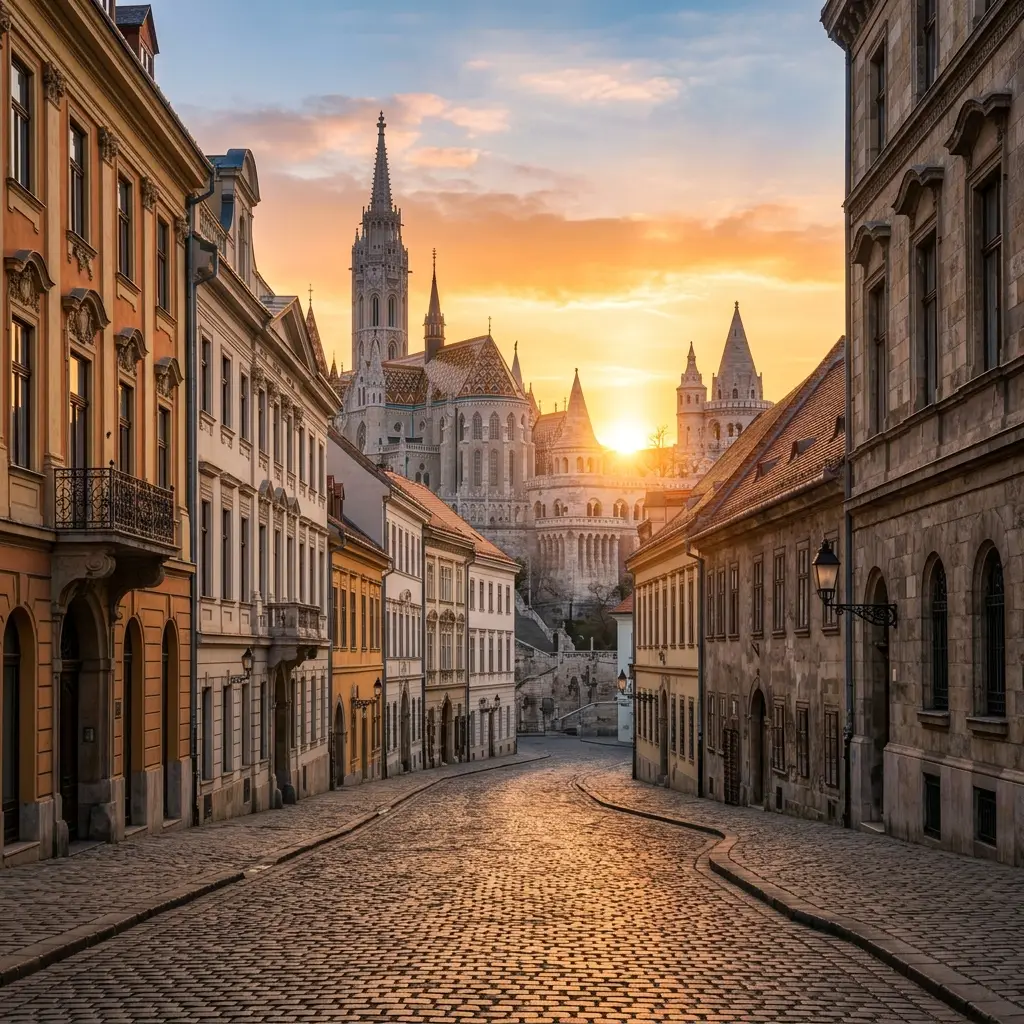
Poland, Hungary, Romania, and Albania consistently rank among the most affordable travel destinations in Europe. In Kraków, a dorm bed in a decent hostel costs a few euros a night, a sit-down meal in a local restaurant is a fraction of what you’d pay in France or Sweden, and a tram ride across the city costs less than a dollar. Budapest offers world-class thermal baths, a stunning historic center, and a nightlife scene that rivals any Western capital — at a fraction of the price. Romania’s Bucharest is still genuinely underrated, even among experienced backpackers.
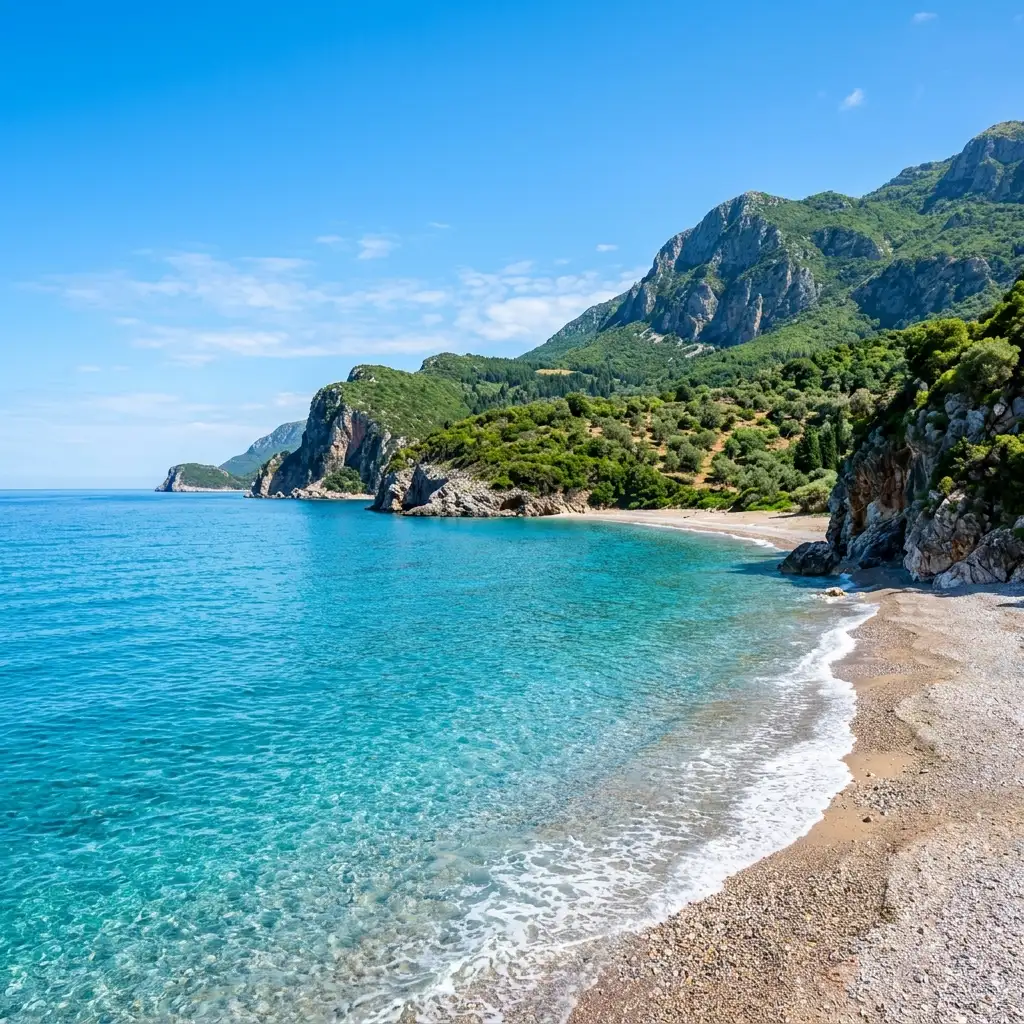
Albania deserves a specific mention. It’s been on the budget travel radar for a few years now, and for good reason: dramatic coastline, mountain villages, warm hospitality, and prices lower than almost anywhere else on the continent. The food is outstanding and cheap. Infrastructure has improved significantly. If you haven’t looked at Albania yet, look now.
Skip the Obvious Names and Find the Real Deals
Gdańsk offers better value than Warsaw for most travelers — equally beautiful, less expensive, and with a harbor district that’s among the most photogenic in northern Europe. Athens in winter, outside the July–August peak, is a completely different experience: shorter queues at the Acropolis, lower accommodation prices, and a city that actually feels lived-in rather than overrun by tour groups.
This pattern holds across Europe. The cities just below the “famous” tier — Ghent over Brussels, Porto over Lisbon, Plovdiv over Sofia — almost always deliver better value and a more authentic experience. The tourist infrastructure is lighter, the prices are lower, and the locals are noticeably less exhausted by visitors.
Getting Around Europe Without Burning Your Budget
Transport is typically the second-largest cost after accommodation. The good news: you have more options than most travelers actually use, and mixing them intelligently almost always beats committing to just one.
FlixBus: The Cheapest Way to Cover Serious Ground
For travelers who put cost first, FlixBus is hard to beat. The European bus network is extensive — it covers a huge range of cities, including plenty of smaller towns that budget airlines don’t serve — and fares are frequently a fraction of the equivalent train ticket. Book early and you can often travel between countries for under €10.
The honest trade-off: long-distance bus travel is slower and less comfortable than the train. A 10-hour overnight bus is a different experience from a 10-hour overnight train. If that doesn’t bother you, FlixBus is your best financial friend across Europe.
Interrail: Good for Flexibility, Not Always for Price
An Interrail pass gives you rail access across dozens of European countries and is genuinely useful if you’re moving quickly between destinations. Trains drop you right in city centers — no airport bus, no €25 transfer taxi — which saves both time and money at each stop.
One thing most people overlook: an Interrail pass is not automatically cheaper than buying individual point-to-point tickets. In Eastern Europe, where train fares are already low, individual tickets often beat the pass price by a significant margin. Interrail makes the most financial sense for Western and Central Europe, or when you’re doing multiple long-distance routes in a short window of time.
Also factor in: high-speed trains in France, Spain, and Italy require mandatory seat reservations on top of your pass — typically €10–€40 per journey. These fees add up fast, and they’re not something the marketing makes obvious.
Budget Airlines and Getting Around Cities
European budget airlines — Ryanair, easyJet, Wizz Air — can genuinely undercut trains and buses on certain routes, especially for longer distances. The catch is the fees. Checked luggage, priority boarding, seat selection: each one chips away at that headline fare. Travel with a small carry-on that meets the airline’s free allowance and the price often holds. Add a checked bag and you’ve frequently erased the saving entirely.
Once you’re in a city, skip the taxi and use public transport or walk. Many European cities are well-designed for walking, and you’ll see more that way anyway. Tourist cards — like the Kraków Card — can be worth buying if you plan to visit several museums and use public transport heavily. Just check the math before you commit: if you’re spending most of your time outdoors or in free attractions, the card won’t pay for itself.
Sleeping Cheap Across Europe
Hostels, Couchsurfing, and Free-Stay Platforms
Hostels are still the default for solo travelers and backpackers, for good reason: they’re social, central, and affordable — especially in Eastern Europe. A dorm bed in Kraków or Bucharest for €8–12 a night is entirely realistic, and most hostel common rooms are where you’ll meet the people you actually remember from a trip.

If you want to cut accommodation costs to zero, the options go well beyond Couchsurfing (which still works, despite the platform’s changes over the years). Couchers.org, BeWelcome, and Trustroots all connect you with locals who’ll host you for free in exchange for genuine conversation and being a good guest. The experience is usually far richer than a hostel — you get local knowledge, insider tips, and sometimes a home-cooked meal you wouldn’t find in any guidebook.
Housesitting and Work Exchanges
Housesitting is a different arrangement: you look after someone’s home and pets while they travel, and you stay rent-free in return. TrustedHousesitters, Nomador, and MindMyHouse all list opportunities across Europe, ranging from rural farmhouses to city apartments. Assignments in popular areas — Tuscany, coastal Spain, the south of France — get competitive, so build your profile and collect positive reviews before targeting the most desirable spots.
Workaway and WWOOF take a different approach: a few hours of daily work — farming, hostel tasks, construction, childcare — in exchange for free accommodation and usually meals. It’s not for everyone, but if you’re staying in one region for several weeks, it can dramatically cut your daily costs while giving you a completely different kind of travel experience. This connects closely to the broader topic of slow travel, which is a whole conversation on its own.
Camping and Night Travel
Camping across Europe is affordable and well-organized. PiNCAMP is a solid tool for finding and booking sites. Be clear on one thing: wild camping — setting up a tent wherever you like, outside designated campgrounds — is restricted or outright illegal in most European countries. The main exceptions are Scotland and the Scandinavian countries, where the right to roam is legally protected. Outside those regions, stick to official sites to avoid fines.
Night trains are making a real comeback across Europe, with new routes added regularly. The logic is simple: you travel while you sleep, which means one couchette replaces both a transport cost and an accommodation cost for that night. Waking up in a new city, coffee in hand, is a genuinely good way to start a travel day — and one that saves you real money.
Apps That Make Budgeting on the Road Actually Work
- TravelSpend: Logs your daily spending in seconds — even offline — and shows you exactly where the money is going. If you’ve never tracked travel expenses before, this app will reveal patterns you didn’t expect, and then help you fix them.
- Splitwise: For group travel. It handles the mental load of shared expenses — meals, accommodation, transport — and calculates who owes who at the end of the trip without anyone having to chase anyone.
- Wise: The Wise account and debit card give you real mid-market exchange rates when paying in foreign currencies, with low fees. For anyone spending in a currency different from their home currency, this is the single most straightforward way to stop money leaking out through poor exchange rates.
- XE Currency Converter: Simple, accurate, and works offline. Use it regularly in countries where you’re paying cash in an unfamiliar currency — especially where vendors quote prices quickly and confidently.
- Skyscanner / Momondo / Google Flights: Use more than one of these when searching for flights — they don’t always return identical results. The “Everywhere” search on Skyscanner is particularly useful if you’re flexible on destination: it shows you the cheapest routes from your home airport on a given date, which is how genuinely cheap spontaneous flights actually get found.
Scams and Tourist Traps to Know Before You Go
The ATM Trick That Quietly Drains Your Account
This one catches even experienced travelers. At tourist-heavy locations across Europe — airports, train stations, city squares — you’ll often find ATMs operated by private companies like Euronet. When you go to withdraw cash, the machine offers to convert the amount into your home currency before processing the transaction. This is called Dynamic Currency Conversion (DCC), and the exchange rate it applies is significantly worse than what your own bank would use.
Always decline the conversion and choose to be charged in the local currency. Your bank handles the conversion at a far better rate. On a multi-country trip, this single habit can save you a meaningful sum.
For ATMs generally: use machines attached to real bank branches when you can. They’re more reliable, less prone to DCC pressure tactics, and more secure than standalone machines at tourist spots.
Pickpockets and Street Distractions
Crowded public transport, busy squares, and major train stations are where professional pickpockets work. The distraction techniques are predictable once you know them: someone asks you to sign a clipboard petition, a stranger points out a stain on your jacket, or you get jostled in a crowd. While your attention moves, a second person goes through your bag or pocket.
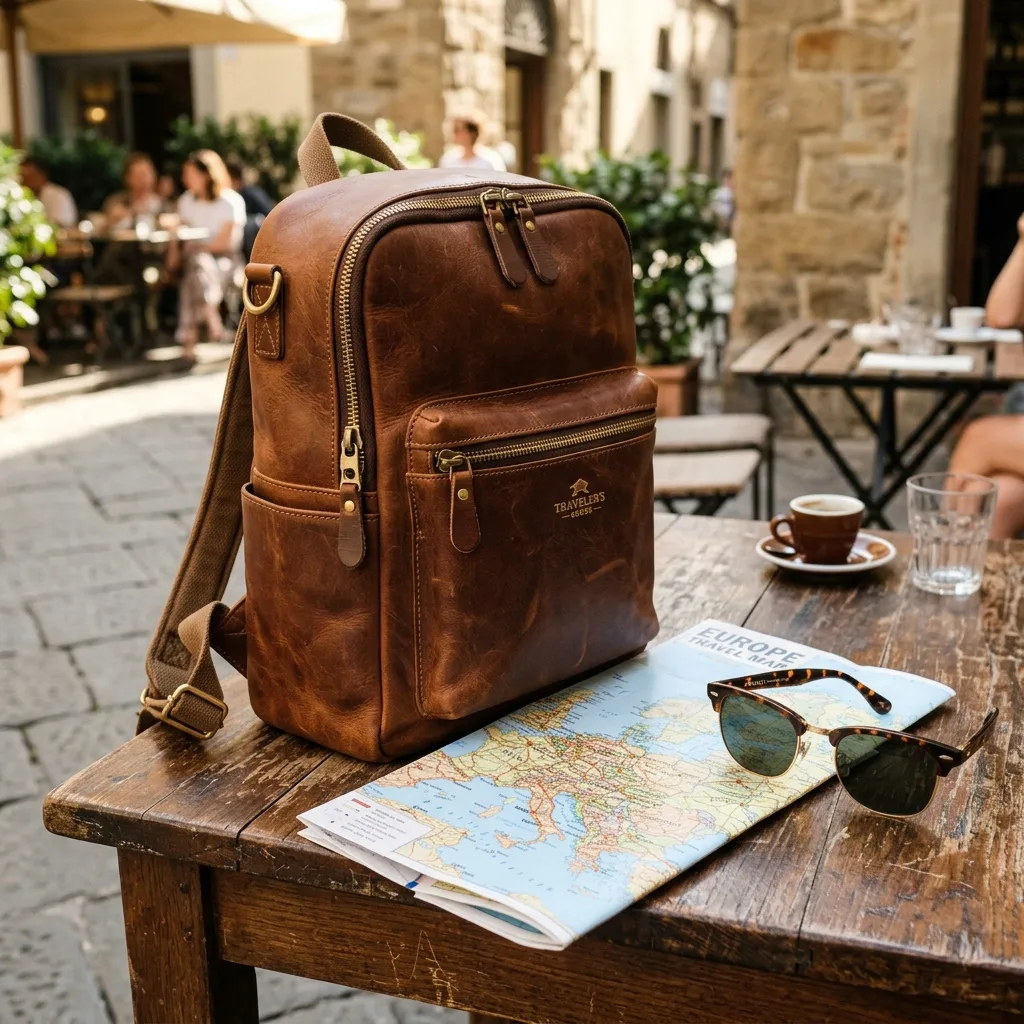
Keep your valuables in a flat money belt worn under your clothes — not in a back pocket or an unclipped bag compartment. You don’t need to be anxious about it. Just be deliberate about where your passport, cards, and cash actually are at any given moment.
Taxi Overcharges and Hidden Restaurant Fees
Only take taxis that use a working meter, or use Uber or Bolt where available — prices are agreed upfront and the cost is usually lower than a street taxi. In cities where unlicensed taxis specifically target tourists (Rome and Prague are well-known for this), the overcharge can be severe enough to ruin an afternoon.
In restaurants: read the menu before you sit down, not after. Look for small-print charges — a cover charge (called “coperto” in Italian restaurants) is standard and legal, but it applies per person and isn’t always made obvious. Bread placed on the table without being ordered is often charged too. If a dish or drink has no listed price on the menu, ask before you order.
One area most budget travel guides barely touch: food costs. Street food, market stalls, cooking in hostel kitchens, knowing which supermarket chain is cheapest in each country — those habits alone can cut your daily spending by €10–20. That’s a topic worth looking into seriously before you go, because it compounds across the length of a trip in a way that transport savings often don’t.
The framework covered here works. Choose destinations with price in mind, mix your transport options rather than defaulting to one, sleep creatively, use the right apps, and stay aware of the standard traps. Pack light — it makes every other part of this easier, and it’s the one piece of advice every experienced backpacker gives and every first-timer ignores.
Sources
- Leonardo Hotels – Budget City Breaks in Europe
- Nomad Sister – Budget Travel for Women
- Reisevergnügen – Low-Budget Travel Destinations
- HolidayCheck – Travel and Money-Saving Tips
- Trainline – Train and Bus Connections Across Europe
- ZDF – Travel Trend Reporting
- Housesitters Guide – Complete Guide to Housesitting
- TMC Travel – Currency and Finance Tips for Travelers
- South Traveler – Flight and App Comparisons
Quick Comparison
| Accommodation Option | Cost | Key Benefit | Requirements / Conditions |
|---|---|---|---|
| Hostels | €8–12 per night | Social, central, and affordable | None |
| Couchsurfing & Free-Stay Platforms | Free | Local knowledge, insider tips, and richer experiences | Genuine conversation and being a good guest |
| Housesitting | Rent-free | Stay in rural farmhouses to city apartments | Look after someone’s home and pets |
| Work Exchanges | Free accommodation and usually meals | Cuts daily costs for longer stays in one region | A few hours of daily work (farming, hostel tasks, etc.) |
| Camping | Affordable | Well-organized sites | Stick to official sites (wild camping is mostly illegal) |
| Night Trains | Saves cost of one night’s accommodation | Travel while sleeping and wake up in a new city | Must book a couchette |
Frequently Asked Questions
Which Eastern European cities offer the best value for budget travelers?
Cities like Kraków, Budapest, and Bucharest consistently rank among the most affordable options in Europe. Additionally, smaller or less famous destinations like Gdańsk and Plovdiv offer incredible value and historic appeal at a fraction of the cost of major capitals.
Is an Interrail pass always the cheapest way to travel by train in Europe?
No, an Interrail pass is not automatically cheaper than purchasing individual point-to-point tickets. In Eastern Europe, where train fares are already low, individual tickets are often much cheaper than using a pass. Interrail is most cost-effective in Western and Central Europe, or for multiple long-distance journeys in a short timeframe.
Can I wild camp anywhere in Europe to save on accommodation?
No, wild camping is highly restricted or completely illegal in most European countries. The main exceptions where the right to roam is legally protected are Scotland and the Scandinavian countries. In other parts of Europe, you should stick to official, registered campsites to avoid heavy fines.
How can I avoid extra fees when flying with European budget airlines?
To keep fares low on airlines like Ryanair, easyJet, or Wizz Air, you should travel only with a small carry-on bag that fits within the airline’s free personal item allowance. Adding checked bags, selecting seats, or opting for priority boarding will quickly erase any initial savings.
How does Dynamic Currency Conversion (DCC) affect ATM withdrawals?
Dynamic Currency Conversion (DCC) is a process where a foreign ATM offers to convert your withdrawal into your home currency. This always results in a significantly worse exchange rate than what your own bank would charge. You should always decline the conversion and choose to be charged in the local currency.
