
The world doesn’t run short of ways to make your heart pound. Whether you’re drawn to sliding down a live volcano or free-falling from a 216-meter bridge, the planet has options on every continent. The settings — volcanic ash fields, sea cliffs, canyon bridges, open ocean — are beyond anything manufactured. This guide covers some of the most extreme outdoor activities available to travelers today. Where to find them, what they actually feel like, and what most guides leave out.
Thrills on Land, at Sea, and in the Air
Nature provides the stage. You provide the nerve. From the ash slopes of active volcanoes to the Pacific depths where Great White Sharks patrol, these activities use the natural world as their arena. No theme park comes close. Every experience below promises genuine adrenaline — and the kind of natural setting that makes it impossible to forget.
Volcano Boarding at Cerro Negro, Nicaragua
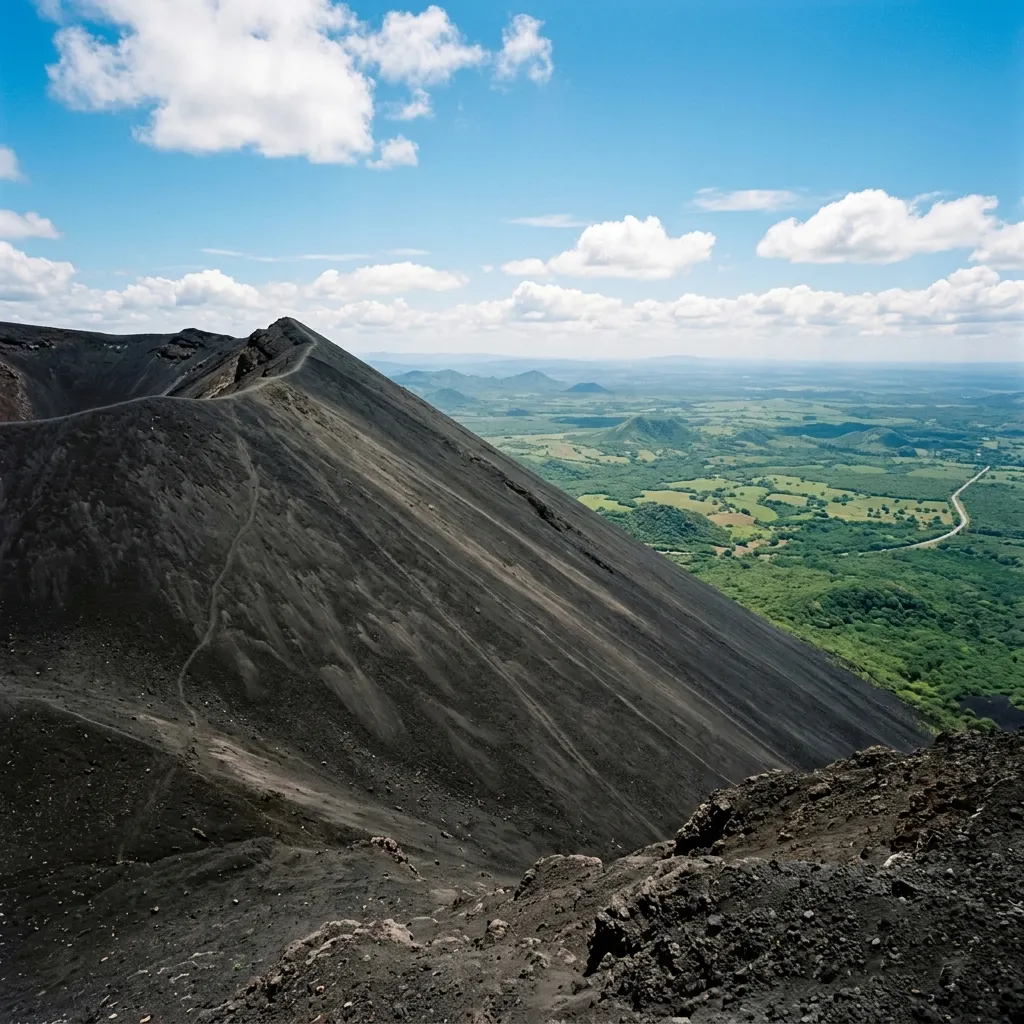
On the flanks of Cerro Negro, Central America’s most active volcano near the colonial city of León, a sport exists that you won’t find anywhere else on earth. Volcano boarding is exactly what it sounds like: participants ride custom-built wooden or metal boards down steep, loose ash slopes that fall sharply away from the volcano’s rim. Australian adventurer Darryn Webb developed the concept in the early 2000s, experimenting with different board materials until something worked.
The hike to the summit takes between 45 and 60 minutes. The descent takes under five minutes. Most boarders control their speed using their feet, regularly hitting between 40 and 70 km/h on the way down. The speed record for volcano boarding stands at 87 km/h. For context: French cyclist Eric Barone set a downhill speed record of 172 km/h on the same mountain in 2002 — on a mountain bike. The crash that ended that run was severe. Volcanic ash and the sharp lava rock beneath it aren’t forgiving. Every participant descends in a full protective suit, gloves, and goggles. Cerro Negro last erupted in 1999 and remains active today, which is part of why the experience feels so raw. The landscape around you isn’t just dramatic — it’s genuinely alive.
Bungee Jumping in New Zealand and South Africa
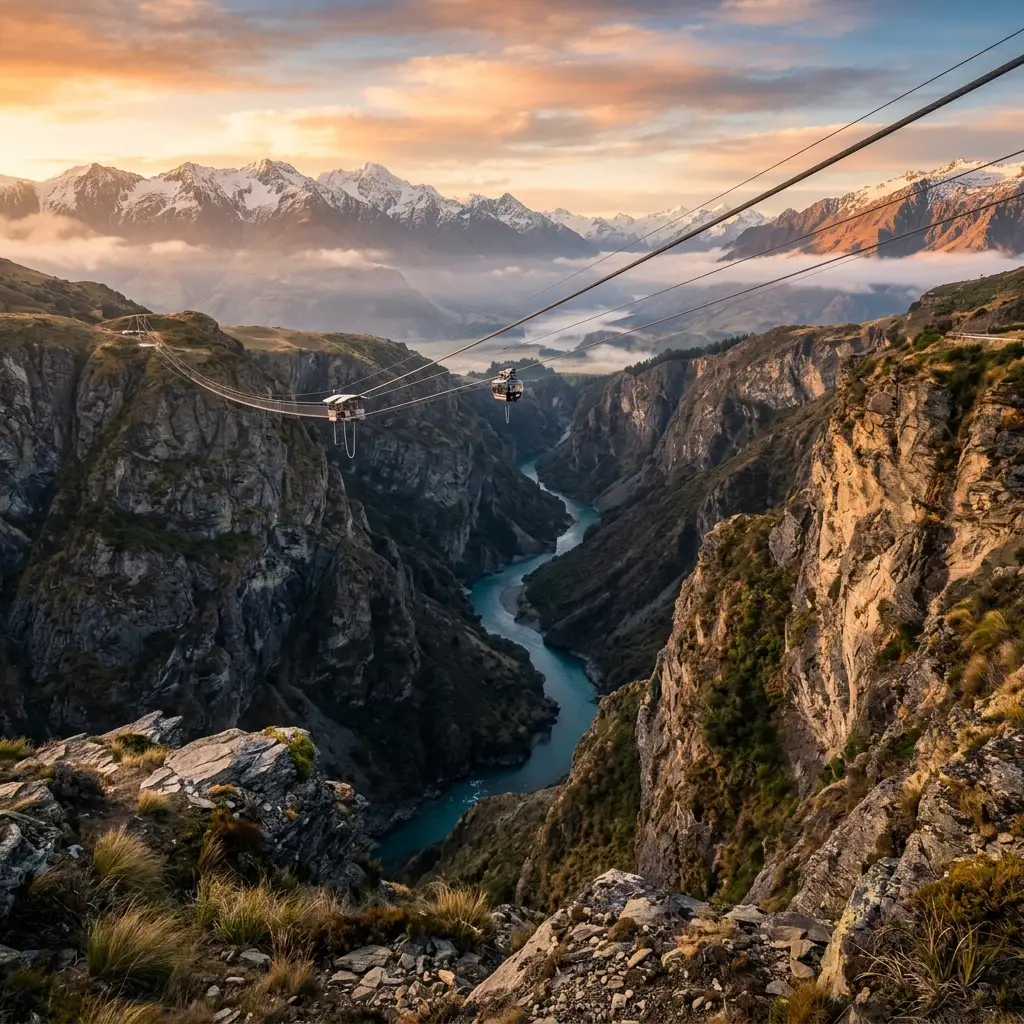
For the classic free fall, bungee jumping still delivers the purest form of the experience. Two locations in the Southern Hemisphere have refined it into something exceptional. Queenstown, New Zealand, is widely regarded as the birthplace of modern commercial bungee jumping. The Nevis Bungy operates from a platform suspended 134 meters above a river canyon on steel cables. Jumpers get approximately 8.5 seconds of genuine free fall. That’s enough time to move from pure terror to something close to euphoria before the cord catches.
South Africa offers something higher. The Bloukrans Bridge on the Garden Route near Tsitsikamma holds the title of the world’s highest commercial bungee jump from a bridge, at 216 meters. The platform sits directly under the road surface, built into the concrete arch of the bridge structure. If you’re not ready to jump, the bridge also offers a guided SkyWalk along the underside of the arch — same views, considerably less commitment. One thing most people overlook: the height difference between these two jumps changes the experience significantly. At Nevis, you feel the cord engage relatively quickly. At Bloukrans, the fall is long enough that the silence and the distance have time to fully register before anything pulls you back.
Coasteering in Pembrokeshire, Wales
Coasteering was invented along the sea cliffs of Pembrokeshire in southwest Wales, and the region remains one of the finest places on earth to practice it. The activity combines cliff traversal, swimming through surge channels, scrambling up wet rock, and jumping from ledges into deep water below. No ropes. No boats. Just a wetsuit, a helmet, and buoyancy aids. In the early 1980s, surfers began exploring sections of Pembrokeshire’s coastline that couldn’t be reached from the beach or the clifftop. By the 1990s, guided coasteering trips had become a recognized outdoor activity. The term itself appeared in print as early as 1973 — mountaineers John Cleare and Robin Collomb used it in their book Sea Cliff Climbing.
What makes Pembrokeshire ideal is the geology. The cliffs have layered shelves that create natural jumping platforms at different heights. The tidal channels between rock formations fill with enough depth and movement to make each route feel different from the last. The water is cold year-round, which is why wetsuits aren’t optional — they’re what makes the sport doable at all.
Shark Cage Diving at the Neptune Islands, South Australia
Port Lincoln in South Australia is the only place in the country where certified operators run commercial cage diving encounters with Great White Sharks. Boats head to the Neptune Islands, a remote group of rocky outcrops far offshore where large fur seal colonies have established themselves. Great White Sharks follow the seals, which is what draws them reliably to the area.
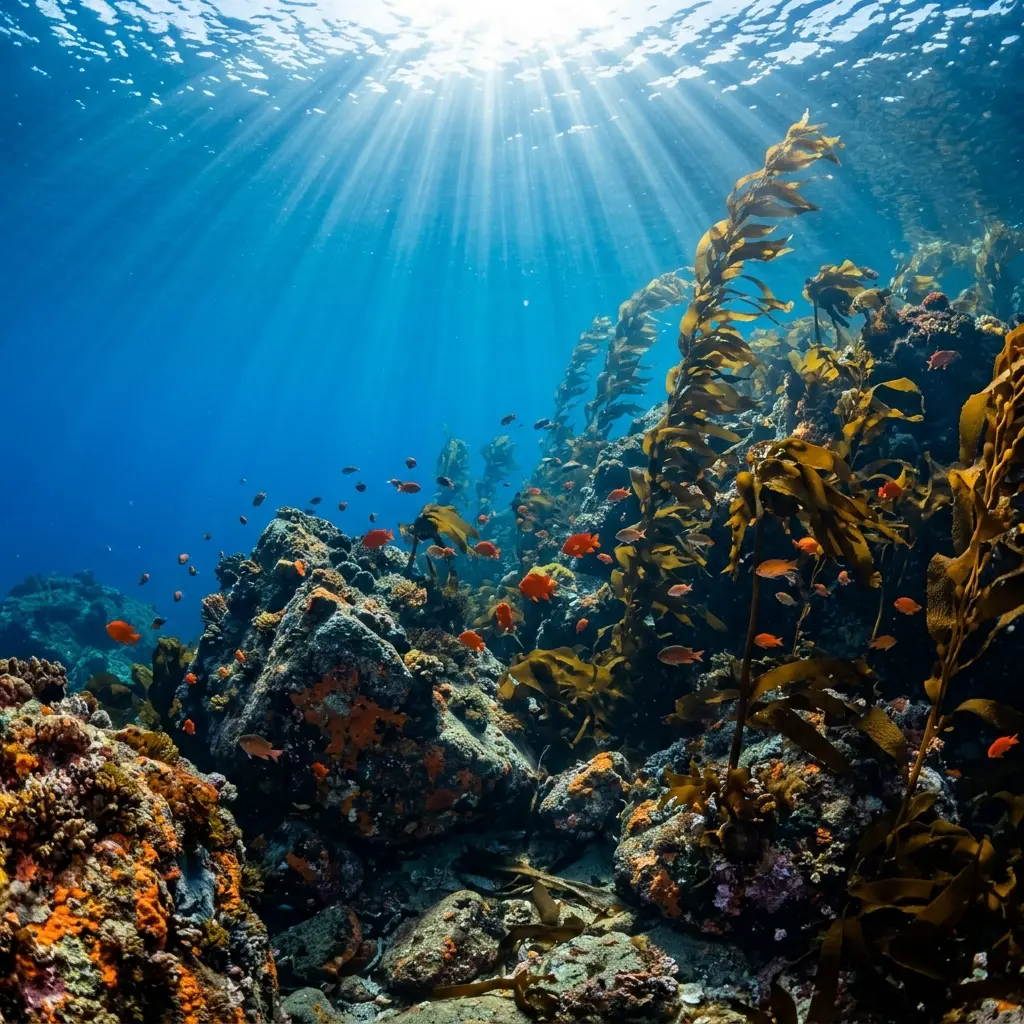
There are two ways to get in the water. The surface cage stays connected to the boat and floats at the waterline — no scuba certification required, just controlled breathing and the willingness to press your face against metal bars while a three-meter predator investigates. Certified divers can take the deeper option: a submersible cage that descends to around 18 to 20 meters on the seafloor. Most reputable operators now run these dives without using bait to attract the sharks, relying instead on the natural activity around the seal colonies. The result is a genuinely unscripted encounter. The shark comes or it doesn’t, it circles or it doesn’t, and nothing about the experience is staged. That unpredictability is exactly what makes it feel real.
How the Outdoor Adventure Industry Is Changing
The outdoor industry has shifted significantly in the past decade — and not just at the extreme end. Data from the Outdoor Industry Association shows participation growing across age groups, up 5.6 percent among younger participants and 7.4 percent among older adults. The gear industry is responding with PFAS-free technical fabrics, thermoregulating base layers, and lighter constructions that lower the equipment barrier to entry.
E-Bikes, New Sports, and a Broader Audience
E-bikes and gravel bikes have redrawn what cycling tourism looks like. Terrain that once required strong trained legs is now achievable by almost anyone. Racket sports like Pickleball and Padel are spreading fast, from urban parks to dedicated clubs worldwide. Stand-up paddleboarding (SUP) has moved from niche novelty to mainstream water sport in just over a decade. And climbing — once the territory of hardcore alpinists — has arrived firmly in the mainstream. A growing global network of indoor climbing gyms makes the sport accessible well before anyone touches a real cliff. Most people now have a clear pathway into outdoor adventure that fits their current fitness level. There’s room to build toward something harder from there.
Risk Management and the Right Protective Gear
The growth of adventure sports has made one thing clear: serious injuries happen most often when people skip the homework. Activities in the hard adventure category demand genuine physical fitness. More importantly, they demand honest self-assessment about where you actually are versus where you think you are. Booking through a certified, licensed operator is the baseline for everything in this article — not an optional upgrade. Beyond that, the data on protective equipment is clear: certified helmets reduce the risk of serious head injury in sport by around 45 percent. Most operators include this gear as standard. The mistake most people make is treating safety briefings as formalities rather than information worth actually retaining.
Which Adventure Is Yours?
None of these experiences is for everyone — and that’s exactly the point. Volcano boarding at Cerro Negro and bungee jumping at Bloukrans Bridge sit at one end of the commitment scale. Coasteering in Pembrokeshire and shark cage diving at the Neptune Islands offer something equally intense but more gradual — experiences that build before they peak. What connects all of them is that they’re built around real places, real risk, and real natural environments that no controlled setting can replicate. Respect the conditions, go with the right operator, and use the right gear. The adventure itself will take care of the rest.
Sources
- Wikipedia: Cerro Negro (Volcano Boarding)
- Wikipedia: Nevis Highwire Platform (Bungee Jumping)
- Wikipedia: Bloukrans Bridge (Bungee Jumping)
- Visit Wales: Coasteering Origins
- National Parks South Australia: Shark Cage Diving
- Outdoor Industry Association (OIA): Outdoor Sports Statistics
- Gitnux: Safety Statistics on Protective Equipment
Quick Comparison
| Activity | Primary Location(s) | Environment | Key Safety Gear |
|---|---|---|---|
| Volcano Boarding | Cerro Negro (Nicaragua) | Active volcanic ash slopes | Protective suit, gloves, and goggles |
| Bungee Jumping | Nevis Bungy (New Zealand) & Bloukrans Bridge (South Africa) | River canyon or concrete bridge arch | Bungee cord and harness |
| Coasteering | Pembrokeshire (Wales) | Sea cliffs, surge channels, and deep pools | Wetsuit, helmet, and buoyancy aid |
| Shark Cage Diving | Neptune Islands (South Australia) | Open ocean near seal colonies | Wetsuit, protective metal cage, and breathing apparatus |
Frequently Asked Questions
What is volcano boarding and where can I try it?
Volcano boarding is an extreme sport where participants ride custom-built boards down steep volcanic ash slopes. The primary place to experience it is Cerro Negro, an active volcano near León, Nicaragua.
What is the difference between the Nevis Bungy and Bloukrans Bridge bungee jumps?
The Nevis Bungy in New Zealand is 134 meters high and operates from a platform suspended by steel cables, offering 8.5 seconds of free fall. The Bloukrans Bridge jump in South Africa is higher at 216 meters, with the platform built directly into the concrete arch of the bridge.
What activities are involved in coasteering?
Coasteering combines cliff traversal, swimming through rocky channels, scrambling up wet sea cliffs, and jumping from ledges into deep water. It does not use ropes or boats, relying instead on personal protective equipment.
Do I need to be a certified scuba diver for shark cage diving at the Neptune Islands?
No, a scuba certification is not required for the surface cage diving experience, which floats at the waterline. However, the deeper submersible cage that descends to 18–20 meters is reserved for certified divers at the Neptune Islands.
How much do helmets reduce the risk of head injuries in adventure sports?
Data shows that wearing certified helmets reduces the risk of serious head injury in adventure sports by approximately 45 percent.
