

Road trips give families something resorts can’t — the freedom to stop whenever something catches your eye. You skip what isn’t working. You let the day unfold at your kids’ pace, not a tour operator’s schedule. That flexibility changes everything about how a vacation actually feels.
The trade-off? You need better planning than a typical holiday. Drive times, entertainment, rest stops, and route choice all matter more when your passengers are under ten. Three routes across three continents consistently deliver for families, and the practical details behind them are what separate a great trip from a stressful one.
Proven Family Road Trip Routes Around the World
South Africa’s Garden Route: Wildlife Without the Malaria Risk
The Garden Route is one of the most rewarding long-haul family drives you can take. It runs through a malaria-free zone, which immediately removes the biggest concern parents have about southern Africa with kids. The tourist infrastructure is well developed, the scenery shifts constantly, and the driving distances between stops stay short enough for younger children.
Most families start in Cape Town and work their way east. Hermanus is a common early stop. Between July and November, you can watch southern right whales from the shore, no boat required. Further along, Tsitsikamma National Park has dramatic suspension bridges over forested gorges that kids find genuinely thrilling. At Monkeyland in Plettenberg Bay, primates roam freely through a forest sanctuary rather than sitting in cages. The route wraps up at Addo Elephant National Park, where elephants wander close enough to the road that binoculars feel unnecessary.

What most people overlook about this route is timing. The Garden Route works year-round, but the whale season window and the drier summer months from November through March make the biggest difference in what you actually get to see. Plan around those dates if you can.
Småland and Lake Vättern, Sweden: Astrid Lindgren Country by Car
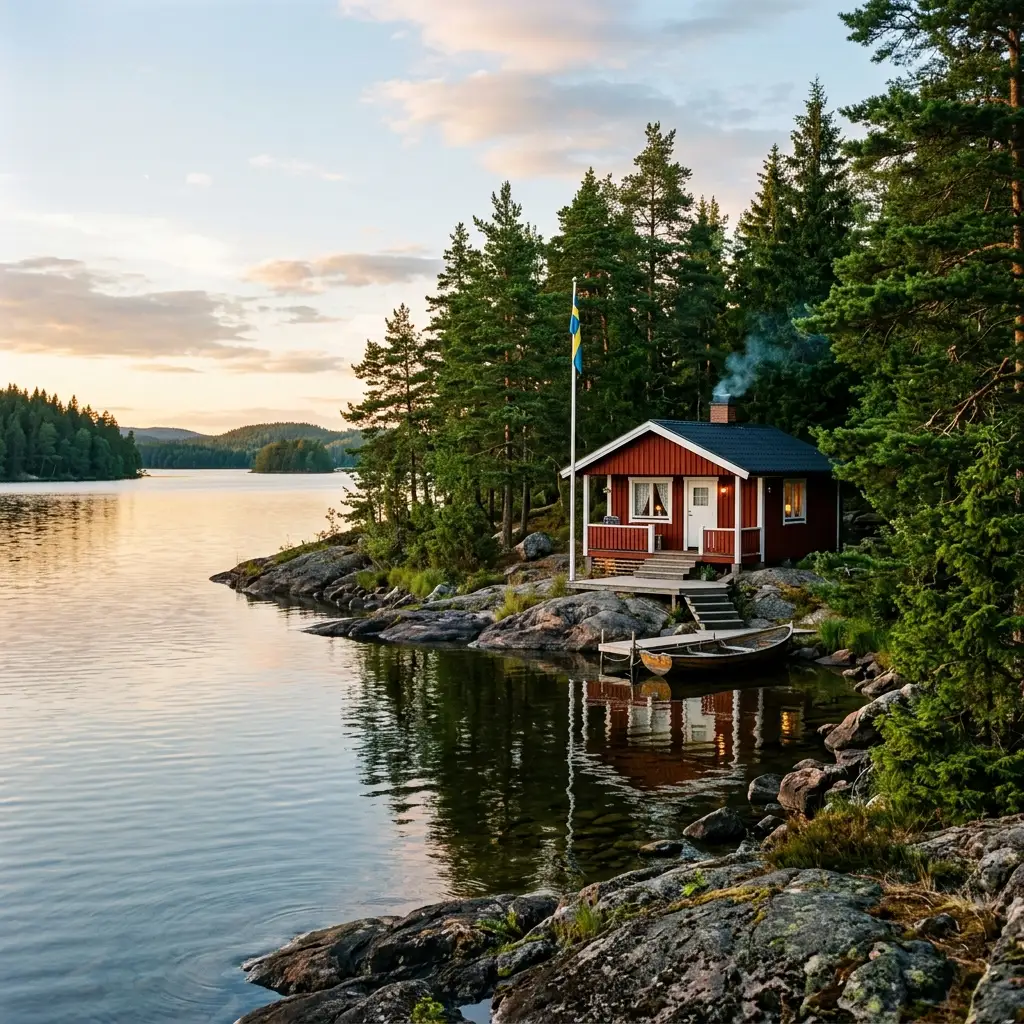
If your family leans toward forests, lakes, and quiet over crowds and heat, southern Sweden delivers in a way few destinations can match. The Småland region and the area around Lake Vättern feel like stepping into an Astrid Lindgren story — and that’s not an accident. This is literally where those stories came from.
In Vimmerby, Astrid Lindgren’s World brings characters like Pippi Longstocking and Emil of Lönneberga to life in a theme park built for younger children. It’s smaller and more relaxed than most amusement parks, which is exactly the point. A short drive away, the lakeside town of Gränna is famous for polkagris, traditional striped candy sticks. Kids can watch them being pulled and shaped by hand in local shops.
The lakes are the real draw, though. Canoeing, swimming from rocky shores, and fishing keep families busy for days. Well-equipped campgrounds across the region offer stugas, small wooden cabins with basic kitchens, at prices that make Scandinavia feel surprisingly affordable. The one mistake families make here is overscheduling. This region rewards slow days, not packed itineraries.
Florida: From Orlando’s Theme Parks to the Drive Down to Key West
Florida is the dependable choice for a reason. A family road trip here can pack in theme parks, space exploration, wildlife, and an iconic coastal drive. All in a single route that never feels rushed.
Orlando is the obvious starting point. The theme parks need no introduction, but the Kennedy Space Center an hour east is worth at least half a day. From there, heading south into the Everglades puts you in a completely different world. Alligators are visible from boardwalks and paved trails, no airboat tour needed if your kids are young, though that’s always an option.
The route’s standout stretch is the Overseas Highway from the mainland to Key West. The drive itself, bridges hopping between islands over open turquoise water, is unforgettable even for kids who’ve been complaining about the car. In Islamorada, kids can hand-feed massive tarpon fish right from the docks. In Marathon, the Turtle Hospital runs guided tours and rehabilitates injured sea turtles. It tends to be the moment kids remember most from the entire trip.

One thing to sort out before you leave: Florida’s toll roads are mostly cashless. You’ll need a SunPass or a rental car toll program set up in advance. Finding this out at the first toll booth is not the way you want to start your vacation.
Planning Daily Distances, Breaks, and Backseat Entertainment
The single biggest planning mistake families make is overestimating how far kids can comfortably ride in one stretch. In practice, anything over about 300 kilometers in a day starts to feel long with children under eight. The 500-kilometer limit you’ll see in travel guides works for older kids, but with younger ones, shorter is genuinely better.
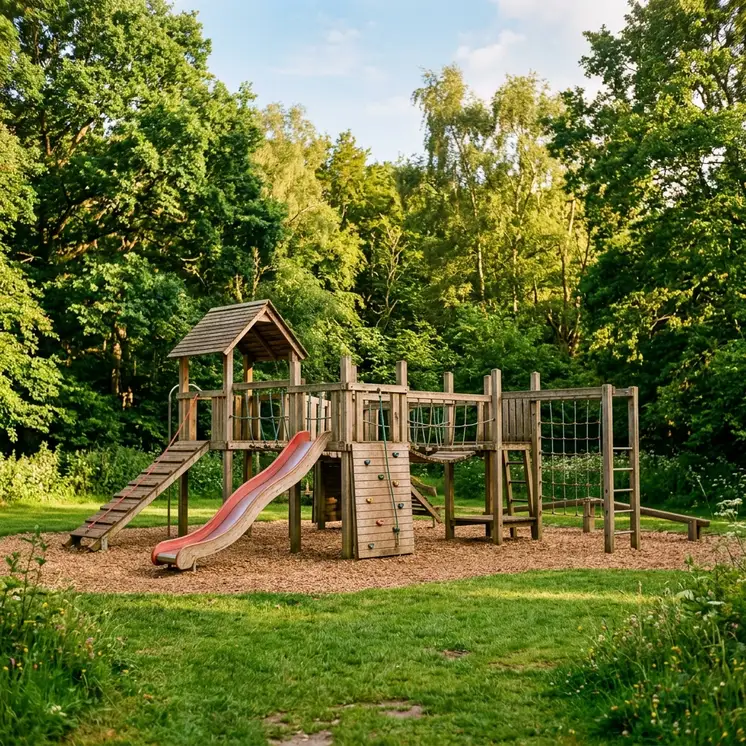
Rest stops matter more than you think. A gas station bathroom break isn’t a real break for a child who’s been strapped into a car seat. Look for stops with space to run: playgrounds, parks, even a stretch of beach. Fifteen minutes of actual movement resets the mood in the car more than any screen can.
For the driving stretches themselves, here’s what reliably works:
- Audiobooks and podcasts: Bluetooth headphones let each child listen to their own stories while the adults talk or enjoy the quiet. Build a playlist before you leave. Downloading content in a foreign country with spotty data is frustrating.
- Surprise bags: Pack small bags with items your kids haven’t seen before: travel-sized games, magnetic drawing boards, sticker books. Hand them out one at a time, not all at once.
- Individual snack boxes: Give each child their own container of portioned snacks. It keeps them occupied, prevents arguments over sharing, and avoids the constant “I’m hungry” cycle better than a shared bag ever will.
What usually happens in real life is that the entertainment plan works beautifully for day one and two, then starts losing its hold. Rotate your strategies. Save the best surprise bag for the longest driving day, not the first one.
What Goes Wrong on Family Road Trips and How to Handle It
Car sickness hits when you least expect it. Keep a small emergency kit within arm’s reach, not buried in the trunk. Include a change of clothes, wet wipes, plastic bags, and a towel. If one of your kids is prone to motion sickness, schedule the longest drives during nap time. A sleeping child doesn’t get carsick.
Packing is where most families go wrong. Overpacking squeezes your cabin space, and cabin space directly affects everyone’s comfort and mood for the entire trip. Pack half of what you think you need for the kids. Laundry facilities exist almost everywhere, and buying a forgotten item abroad is rarely the disaster it feels like at home.
Two practical details that catch people off guard abroad: toll systems and insects. In the U.S., many toll roads, especially in Florida, have gone completely cashless. Research the system before you arrive and set up an electronic toll account or confirm your rental car’s toll program. For any route involving national parks or subtropical areas, bring proper insect repellent. The mosquitoes in the Everglades or near Swedish lakes in summer aren’t a minor nuisance. They will affect whether your kids enjoy being outside.
Before You Map Your Route
The best family road trips aren’t the ones with the most stops or the most famous landmarks. They’re the ones where nobody felt rushed and the driving days matched the kids’ patience. Where there was enough flexibility to say “let’s stay one more night” when something worked. Pick a route that interests your family specifically, plan shorter driving days than you think you need, and leave gaps in the schedule. Those unplanned hours are usually where the best memories come from.
Sources
Quick Comparison
| Route | Best For | Key Attractions | Essential Watch-out |
|---|---|---|---|
| Garden Route (South Africa) | Malaria-free wildlife and coastal scenery | Tsitsikamma suspension bridges, Hermanus whale watching, and Addo Elephant National Park | Plan around whale season (July–November) and dry summer months (November–March) |
| Småland and Lake Vättern (Sweden) | Forests, lakes, and quiet outdoor activities | Astrid Lindgren’s World, Gränna candy shops, canoeing, and swimming | Avoid overscheduling and pack insect repellent for summer mosquitoes |
| Florida (United States) | Theme parks, space exploration, wildlife, and coastal driving | Orlando parks, Kennedy Space Center, Everglades, and the Marathon Turtle Hospital | Set up a SunPass for cashless toll roads and bring repellent for Everglades mosquitoes |
Frequently Asked Questions
What is the best daily driving distance for a family road trip with young kids?
For children under eight, keep daily driving under 300 kilometers. While standard travel guides often recommend up to 500 kilometers, shorter distances are much more manageable and help prevent travel stress with younger passengers.
How can I avoid cashless toll road fines on a Florida road trip?
You should set up a SunPass or confirm your rental car company’s toll program before starting your trip. Florida’s toll roads are mostly cashless, so you cannot pay with cash at the booths.
When is the best time of year to drive South Africa’s Garden Route?
The route is a year-round destination, but timing your trip between July and November allows you to see southern right whales from the shore. The dry summer months from November through March also offer the best overall weather.
Is a road trip through southern Sweden expensive for families?
It can be surprisingly affordable if you utilize local campgrounds. Many of these sites offer stugas, which are small wooden cabins with basic kitchens, helping to reduce accommodation and dining costs.
How should families handle motion sickness during long drives?
Keep an emergency kit with a change of clothes, wet wipes, and towels easily accessible in the cabin. If your child is prone to car sickness, try to schedule your longest driving stretches during their nap times.