
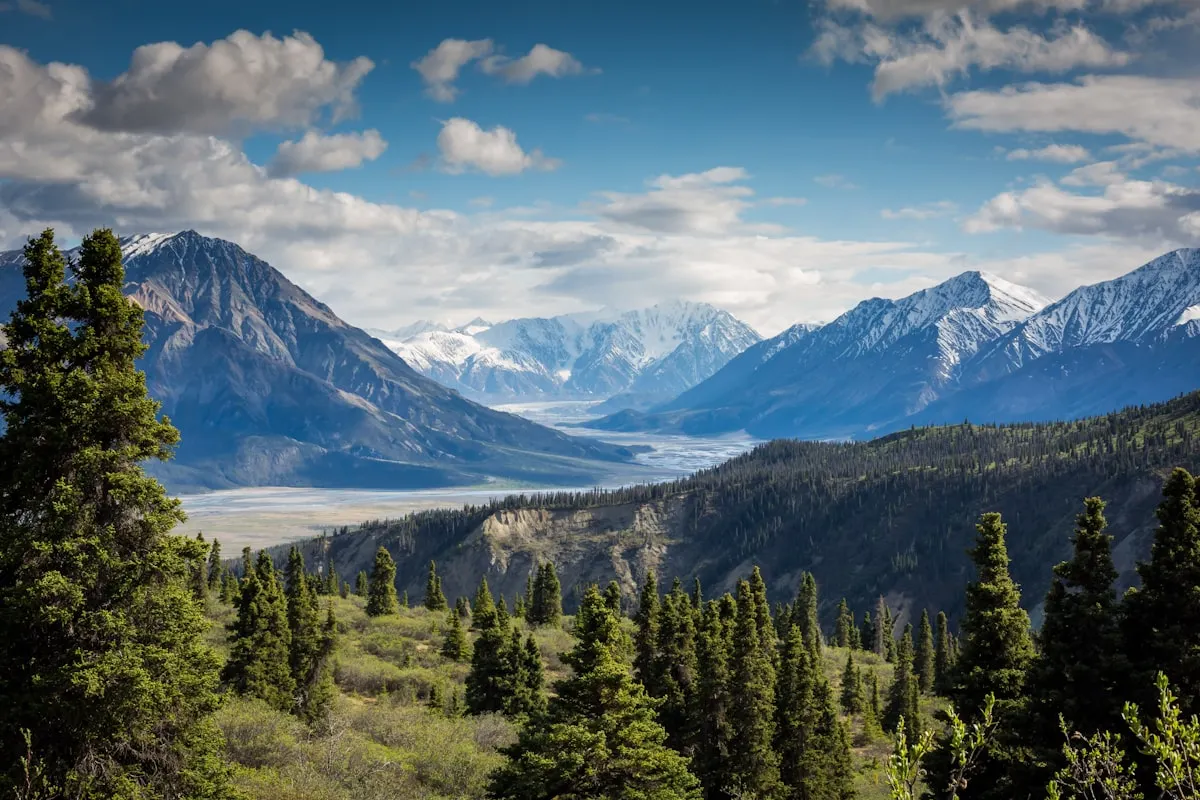
Most first-time adventure travelers pack for everything that might happen. They end up on the trail an hour in, shoulders aching, wondering why they brought that extra pair of jeans. The adventure travel market is growing fast — projected to reach between $500 billion and $670 billion globally by 2026. More people than ever are heading into the mountains, jungles, and remote corners of the world. The gear knowledge, though, hasn’t always kept up with the enthusiasm.
This adventure travel packing list is designed to fix that. Pack smart, move freely, and actually enjoy what your itinerary promises.
The Layering System: The Rule That Changes How You Pack
If you’re heading somewhere with variable weather — and most adventure destinations are — the layering system is the most important concept you can understand before you load your bag. It means wearing three functional layers instead of hauling heavy, single-purpose clothing. Each layer has a specific job, and together they handle almost any condition you’ll encounter.
The mistake most people make is packing for every worst-case scenario independently. They end up with a bag twice as heavy as it needs to be. The layering system solves this with smart overlap.
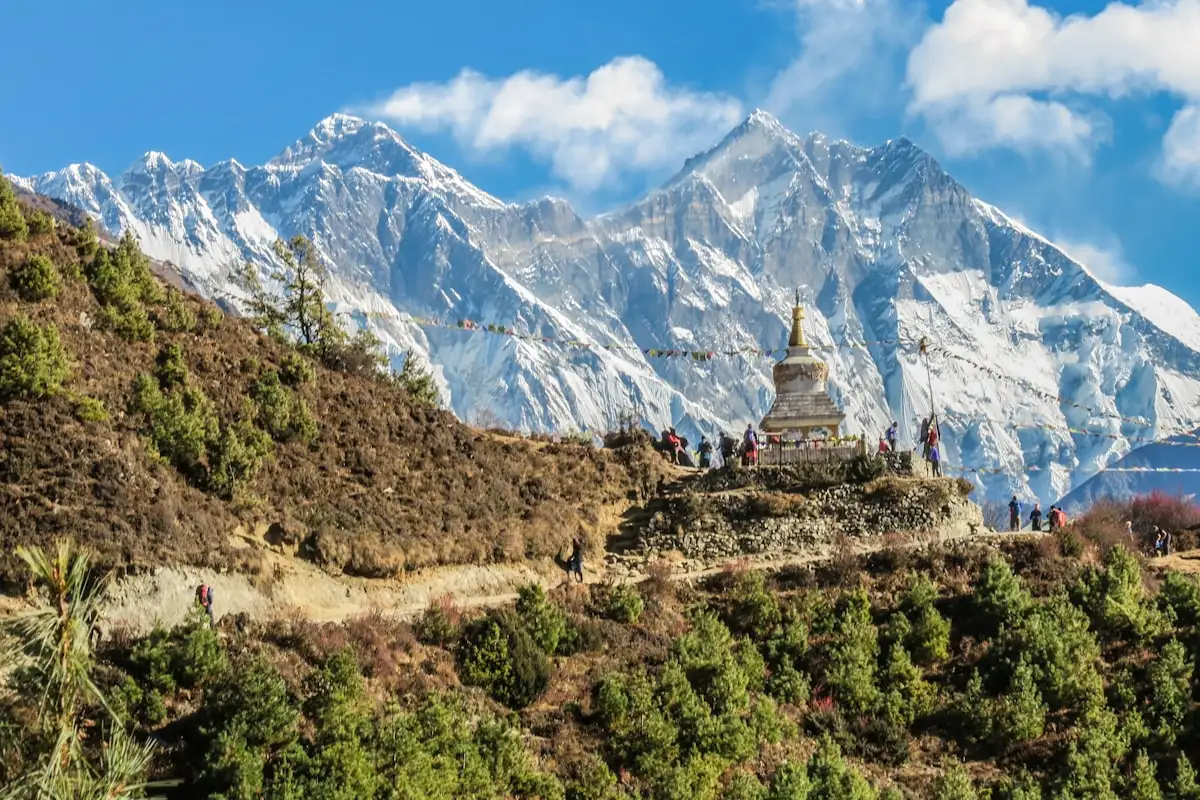
Base Layer: Moisture Management
This layer sits directly against your skin, and its only job is to move sweat away from your body. Choose moisture-wicking t-shirts and underwear made from synthetic fabrics or merino wool — both dry fast and resist odor better than you’d expect. Merino wool, in particular, is worth the investment for multi-day treks. It regulates temperature naturally and handles multiple wears between washes.
Cotton is off the table. This isn’t an exaggeration — wet cotton stays wet, pulls heat away from your core, and has caused serious problems for hikers in cold environments. Leave every cotton piece at home.
Mid Layer: Thermal Insulation
The mid layer traps warm air close to your body when temperatures drop. A lightweight fleece or a synthetic-fill insulated jacket handles this well. These pack down small — most fit into their own stuff sack about the size of a water bottle — and they make a dramatic difference when you stop moving and your body temperature drops.
Down insulation is warmer for the weight, but it loses its insulating properties when wet. In high-humidity or rainy environments, synthetic fill is the smarter choice.
Outer Layer: Weather Protection
Your outer layer is your shield against wind and rain. A high-quality, waterproof-breathable jacket — one with a breathable membrane like Gore-Tex or a comparable laminate — is the standard here. The breathability matters as much as the waterproofing. A non-breathable rain jacket keeps the rain out but traps your own sweat inside, leaving you just as wet. Look for taped seams and a hood that adjusts properly.
One thing most people overlook: “water-resistant” and “waterproof” are not the same thing. A DWR-coated jacket handles light drizzle. A genuinely waterproof membrane handles sustained downpours. Know which one you’re buying before your trip.
Adventure Travel Packing List: Core Gear by Category
Beyond clothing, there’s a set of organizational, safety, and health essentials that determine how smoothly the whole trip runs. Organizing gear into categories before you pack prevents the classic “I thought I had it” moment at a trailhead 200 miles from the nearest town.
Packs and Organizational Systems
Pack size depends on trip length. For day hikes and short excursions, a 30–45 liter daypack works well. For multi-day expeditions, you’ll want a main pack in the 40–70 liter range. Stay on the lower end of that when you can. A useful rule of thumb: your fully loaded pack should not exceed 20% of your body weight. For most people, that’s somewhere between 10–15 kg. If you’re consistently going over, something needs to come out.
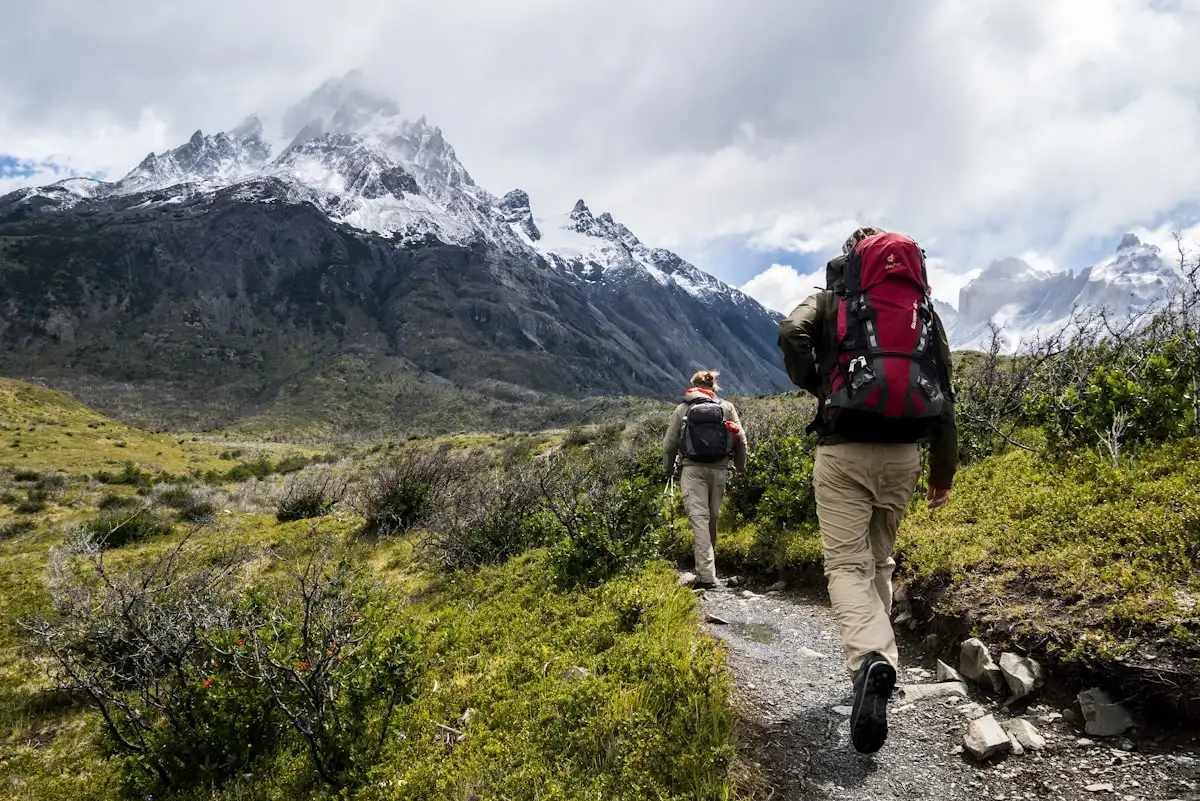
Pack size depends on trip length. For day hikes and short excursions, a 30–45 liter daypack works well. For multi-day expeditions, you’ll want a main pack in the 40–70 liter range. Stay on the lower end of that when you can. A useful rule of thumb: your fully loaded pack should not exceed 20% of your body weight. For most people, that’s somewhere between 10–15 kg. If you’re consistently going over, something needs to come out.
Packing cubes make a real difference in how your pack feels to use day to day. Group similar items together — one cube for base layers, one for mid layers, one for accessories. Waterproof stuff sacks or dry bags are worth carrying for electronics and anything that cannot get wet.
Technical Footwear and Support Accessories
Your feet are doing the actual work. Everything else is just gear. Invest in hiking boots or trail shoes with solid traction suited to your terrain. Rocky trails, muddy paths, and scree fields each have different demands. What matters more than the shoes themselves is that you have worn them before the trip. New boots on day one of a long trek is a guaranteed blister situation.
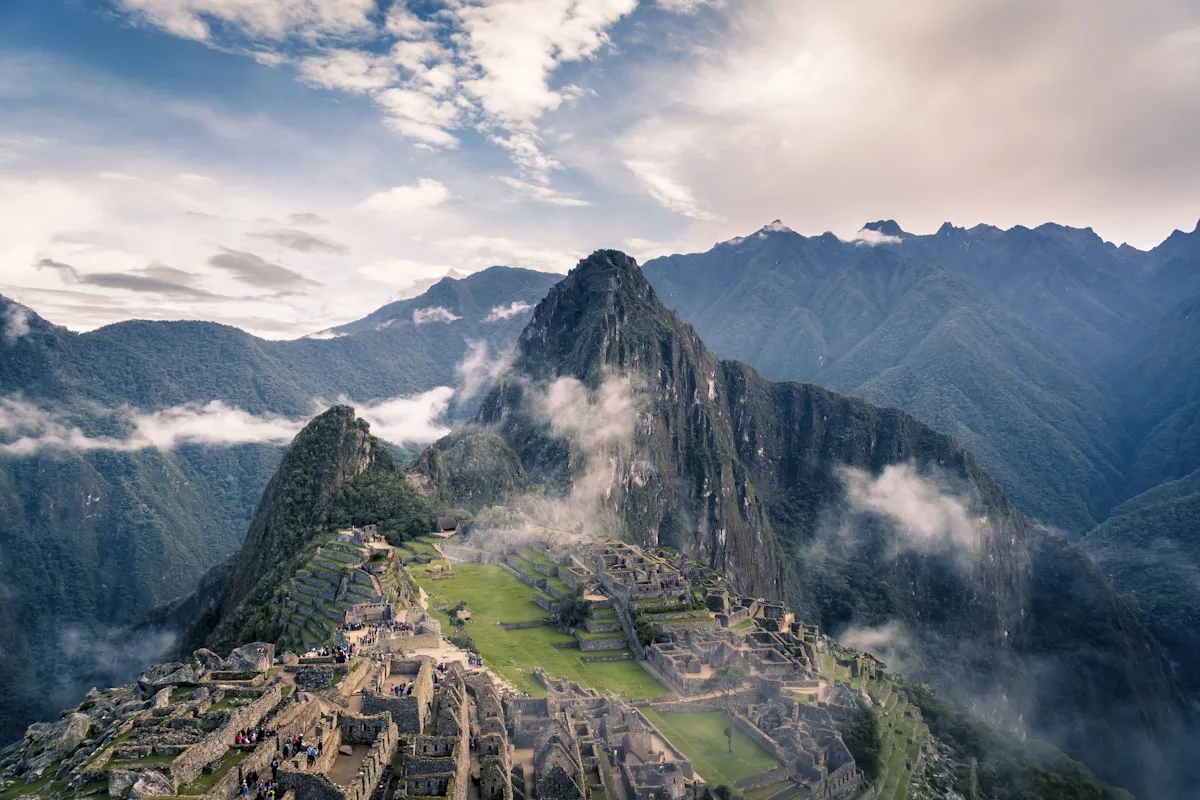
Technical anti-blister hiking socks are not optional. Pair them with trekking poles if you’re covering significant elevation — they take real strain off your knees on steep descents, something you’ll feel immediately on your first long downhill section, and they improve stability considerably on loose terrain. A headlamp with spare batteries rounds out the essentials here. A phone flashlight is not a substitute in genuine backcountry conditions.
Hygiene, Sun Protection, and First Aid
Broad-spectrum sunscreen and high-concentration insect repellent are non-negotiable. Altitude, reflective snow, and tropical UV levels all hit harder than people expect. Apply sunscreen more often than you think you need to.
Your first aid kit should be compact but purposeful. The core: pain relievers, antiseptic wipes, adhesive bandages, blister-specific dressings, and any personal prescriptions. Blister dressings are worth calling out specifically — they work differently from regular bandages and genuinely matter when your feet go. Add an elastic bandage if you have a history of ankle or knee instability. Keep the whole kit in a waterproof pouch, not loose in the bottom of your bag.
The Two Mistakes That Derail Adventure Trips
Overpacking is the most common problem, and it compounds in ways most people don’t anticipate. Carrying unnecessary weight doesn’t just make you tired. It changes your posture under load, increases injury risk on long descents, and limits how quickly you can move in changing conditions. The test for whether something makes the cut: if you’re not sure you’ll use it, you probably won’t. Leave it.
The second mistake is underestimating document and valuables security. Keep your passport, cash, and cards in a hidden money belt worn under your clothing. Don’t keep them in a hip pack clipped to the outside of your bag. Beyond the physical protection, digitize everything before you leave: passport photo page, travel insurance documents, emergency contacts, accommodation details. Store copies in cloud storage you can access from any device. If your bag disappears, this preparation determines how quickly you recover.
Pack Smart, Travel Further
The goal isn’t to carry as little as possible. The goal is to carry exactly what you need and nothing extra. Done right, packing leaves you light enough to move fast, prepared for bad weather, and organized enough to find anything in your bag without unpacking it at the trailhead.
It takes a couple of trips to get this right. The first time you do, you’ll understand immediately why experienced adventure travelers are almost fanatical about it. The freedom you gain from a well-packed bag isn’t a small thing — it changes the whole character of the trip.
Sources
- Molamola Travel
- Emozion Viajes
- Sea to Summit España
- Airalo
- Sky Airline
- CBI – Centre for the Promotion of Imports
Frequently Asked Questions
Why is cotton not recommended for adventure travel?
Wet cotton remains damp and drains heat away from your body’s core, which can cause serious safety issues in cold environments. To stay dry and maintain a safe body temperature, you should leave all cotton clothing at home.
What is the difference between water-resistant and waterproof jackets?
A water-resistant jacket is coated with DWR and only handles light drizzle. A genuinely waterproof jacket features a specialized membrane that can withstand sustained downpours.
How heavy should a loaded travel backpack be?
As a general rule, your fully loaded backpack should not weigh more than 20% of your body weight. For most adventure travelers, this translates to a target weight of 10 to 15 kg.
Should I choose down or synthetic insulation for my mid layer?
Down insulation provides better warmth for its weight but loses its ability to insulate when it gets wet. If you are traveling to wet, rainy, or highly humid environments, synthetic fill is the smarter choice.
How should I protect my passport and travel documents?
Keep your passport, cards, and cash in a hidden money belt worn under your clothing rather than an exposed pack on your bag. Additionally, make digital copies of all important travel documents and store them in secure cloud storage for easy recovery.
