

You don’t need a huge budget to travel well. The difference between an expensive trip and an affordable one usually comes down to a handful of decisions — when you book, where you stay, how you eat, and whether you know where the real costs hide. Travelers who apply even three or four of these strategies consistently cut their expenses by 30 to 50 percent per trip. That’s not a guess. That’s what the numbers look like once you stop paying tourist markup.
According to the UN World Tourism Organization (UNWTO), international tourist arrivals hit a new record in 2026. More travelers means more competition for deals — but it also means more budget tools, more alternative accommodations, and more options than ever to see the world without draining your savings. The real levers are timing, flexibility, and knowing which costs are actually negotiable.
How to Find Cheap Flights (Your Biggest Savings Start Here)
Airfare is usually the single most expensive line item on any trip. It’s also where the biggest savings hide — often several hundred dollars on a single booking, if you know what to look for.
Search With Flexible Dates
Use the “Flexible dates” feature on Google Flights or Skyscanner to scan an entire month for the cheapest departure day. This one step alone regularly surfaces flights that are 20 to 40 percent cheaper than results from a fixed-date search. Most people skip it because they’ve already decided on their dates before they start looking. That’s the mistake.
Fly Midweek Instead of Weekends
Tuesday and Wednesday departures cost 20 to 30 percent less than Friday or Sunday flights on average. If you can shift your departure or return by just one or two days, you’ll often save $50 or more per ticket. The price difference is even larger on popular leisure routes during peak season.
Book at the Right Time
For international flights, the sweet spot is 8 to 12 weeks before departure. Book earlier and you won’t see much extra savings. Book later and prices almost always climb. For domestic flights or short-haul routes, 4 to 8 weeks works better. Tools like Hopper and Kayak‘s price forecast feature can tell you whether to book now or wait — which takes the guesswork out of timing.
Set Up Price Alerts
Google Flights, Skyscanner, and Hopper all offer free price alerts. Set them for your preferred route and you’ll get notified automatically when prices drop. No need to check daily. In practice, this catches flash sales and pricing errors that disappear within hours — the kind of deals you’d never find by searching manually once.
Use Budget Airlines Without Getting Burned
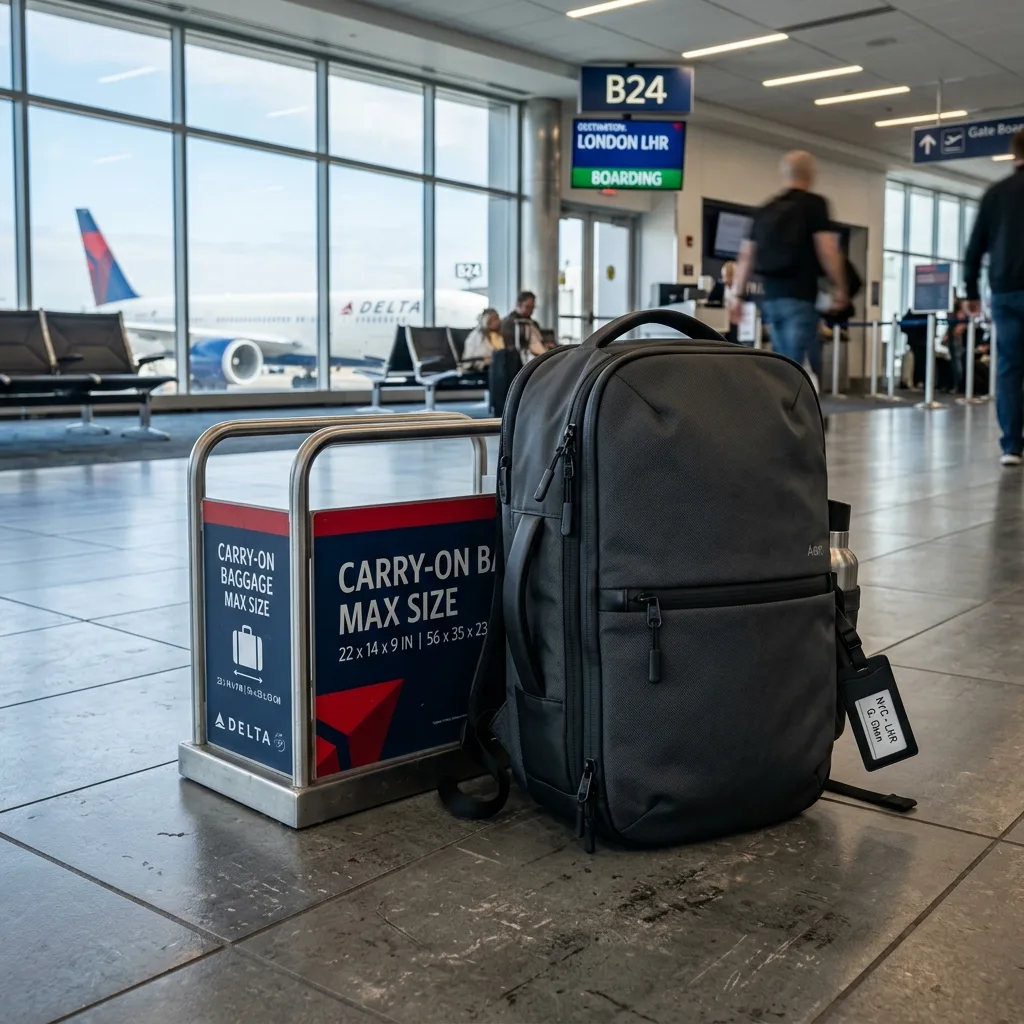
Airlines like Ryanair, EasyJet, and AirAsia offer rock-bottom base fares. The catch: baggage fees, seat selection, and onboard food add up fast if you’re not prepared. What most people overlook is that these extras can cost more than the ticket itself. The golden rule is travel carry-on only and know the airline’s exact baggage dimensions before you pack. That single habit avoids surprise fees of $30 to $120 per leg.
Where to Stay Without Overpaying
Accommodation is the second-largest travel expense. The good news is that the gap between “budget” and “comfortable” has narrowed dramatically — and some of the cheapest options are actually better experiences than a standard hotel room.
Modern Hostels Are Nothing Like You Remember
Brands like Generator, Selina, and Mad Monkey run hostels with private rooms, co-working spaces, rooftop bars, and design-forward common areas. A dorm bed runs $10 to $35 per night — saving you $50 to $100 per night compared to even a modest hotel. Pick hostels that include free breakfast and a shared kitchen, and you’ll cut food costs on top of accommodation savings. The people who dismiss hostels usually haven’t set foot in one since 2010.

Unlock Airbnb Weekly and Monthly Discounts
Many Airbnb hosts offer automatic discounts: 10 to 20 percent off for stays of 7 nights or more, and 30 to 50 percent off for a full month. Here’s the part that catches people off guard — sometimes 14 nights costs less than 12 because the weekly discount kicks in. Always check the longer-stay price before booking a shorter window.
House-Sitting and Home Swaps
Through platforms like TrustedHousesitters (annual membership around $140), you watch someone’s home and pets while they travel — and stay for free, often in desirable cities like London, Paris, or Lisbon. Home swaps through sites like HomeExchange eliminate accommodation costs entirely. Both options work best for longer stays and require planning ahead, but the savings are hard to beat: your nightly cost drops to zero.
Stay Outside the City Center
Booking a place 20 minutes from downtown by public transit cuts accommodation costs by 40 to 60 percent for the same quality. In most European and Asian cities, public transportation is fast, reliable, and cheap — a day pass rarely costs more than $5 to $10. What usually happens is that travelers pay premium prices for a central location, then spend most of their time exploring neighborhoods away from the center anyway.
How to Eat Well on a Tight Budget
Food spending spirals fast on vacation. A couple of sit-down restaurant meals a day in a tourist area can easily hit $80 to $100. With a few habit shifts, you can eat just as well — often better — for half that.
Eat Where the Locals Eat
Walk two or three blocks away from the main tourist strip and prices drop 40 to 60 percent. A reliable red flag: restaurants with laminated menus in seven languages and glossy food photos. That’s a sign of inflated prices and average quality. The best food in any city is almost never on the street facing the main attraction.
Make Lunch Your Main Meal
In many countries, lunch specials offer extraordinary value. Spain’s “Menú del Día,” France’s prix fixe lunch, and daily set meals at local restaurants worldwide serve two or three courses for $10 to $20 — while the same restaurant charges $40 to $60 for dinner. Flip your eating pattern: eat your biggest meal at midday and keep dinner light. Your wallet and your energy levels both benefit.
Street Food and Local Markets
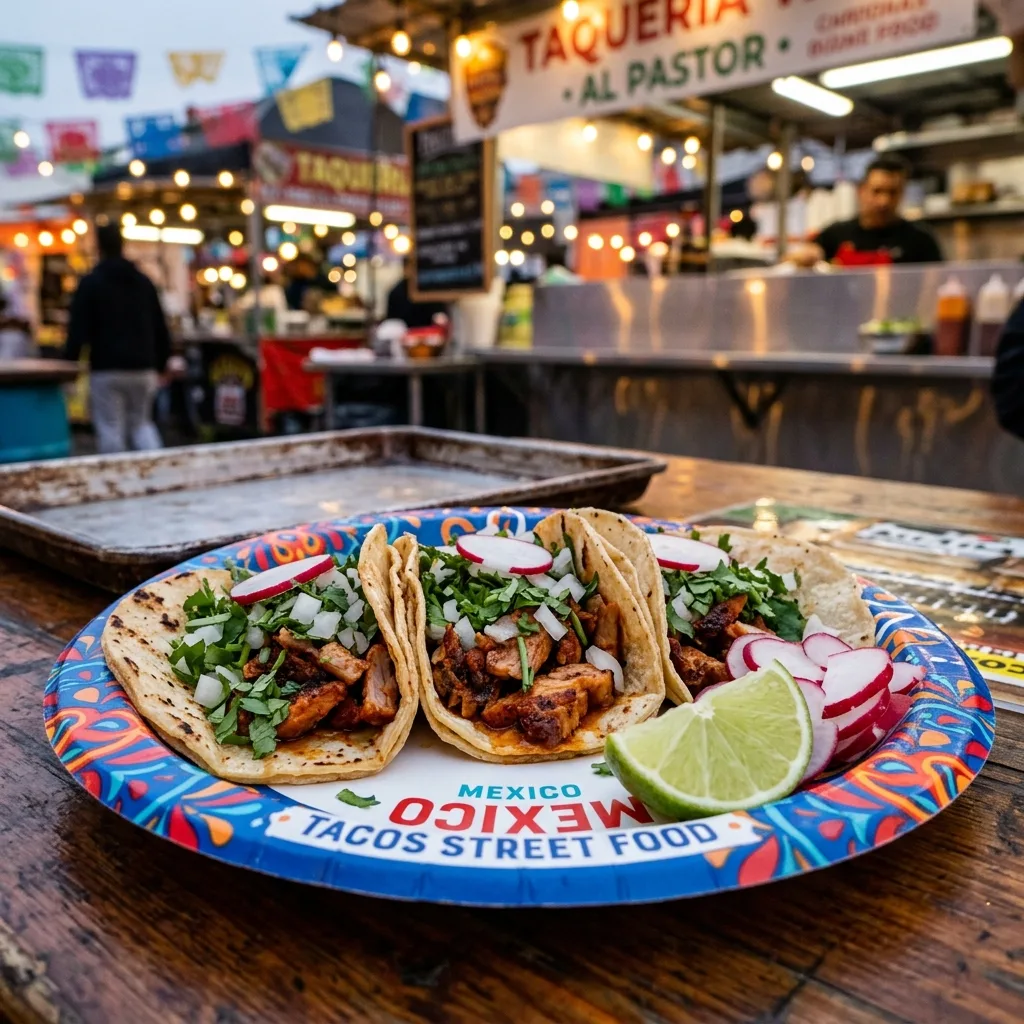
In much of the world, street food isn’t just the cheapest option — it’s the best food you’ll find. A Pad Thai in Bangkok costs $2 to $3. Tacos in Mexico City run about $1 each. A Currywurst in Berlin is around $4. Local markets also sell fresh fruit, bread, and snacks at a fraction of restaurant prices. The common mistake here is assuming street food is risky. In countries with strong street food culture, the high-turnover stalls are often fresher and safer than quiet sit-down restaurants.
Cook One Meal a Day
A breakfast of yogurt, fruit, and bread from a local supermarket costs about $5 — compared to $15 to $25 for a hotel breakfast. In hostels with shared kitchens or Airbnb apartments, preparing even one meal a day saves you $10 to $25 daily. Over a two-week trip, that’s $140 to $350 back in your pocket.
Getting Around Cheaply at Your Destination
Taxis, rental cars, and short-haul flights between cities can blow through a budget fast. Nearly everywhere, there’s a cheaper way to move.
Public Transit Over Taxis — Every Time
In most cities worldwide, public transportation is both the fastest and cheapest way to get around. Day passes and weekly cards push costs even lower. Compared to taxis or ride-hailing services, public transit saves $15 to $40 per day in most major cities. The trick most travelers miss: buying a rechargeable transit card at the airport or train station on arrival instead of paying per ride.
Overnight Buses and Trains
Traveling overnight means you pay for transport and accommodation in one shot. Southeast Asia, South America, and Europe all have comfortable sleeper buses and night trains that save $30 to $90 per leg in hotel costs. Pack a sleep mask, neck pillow, and earplugs. In practice, you’ll sleep better than you expect — and wake up in a new city with a full day ahead of you.

Walk and Cycle
Many cities are best explored on foot or by bike. It costs nothing or next to nothing, and you’ll discover neighborhoods, cafés, and street art you’d never see from a taxi window or a metro car. Cities like Amsterdam, Copenhagen, and Barcelona have bike-share systems starting at $2 to $5 per day. Walking is also how you actually feel a city — its rhythm, its smells, its energy. No GPS shortcut replaces that.
Travel Off-Peak and Save Up to 60 Percent
When you travel matters almost as much as where you travel. Airlines and hotels use dynamic pricing algorithms that create price swings of 40 to over 300 percent between peak and off-peak periods.
- Off-peak season: The lowest prices, fewer crowds, and more authentic local experiences. The trade-off is sometimes limited weather or shorter opening hours at certain attractions.
- Shoulder season: The sweet spot — decent weather, moderate prices, and manageable crowds. Europe in April or October, Thailand in November, Mexico in September. This is what experienced budget travelers target most.
- Avoid holidays and school breaks: Christmas, Easter, and the July–August summer holiday window are the most expensive travel periods globally. Shifting your trip by just one to two weeks before or after these windows saves a significant chunk of money.
Best Budget Destinations Around the World
Not every destination costs the same. Choosing countries with a lower cost of living and a favorable exchange rate stretches your money dramatically — without sacrificing experience quality.
Southeast Asia — The Classic Budget Travel Region
Vietnam remains one of the best value-for-money destinations on earth: guesthouses for $8 to $12 per night, a full bowl of pho for $1.50, and long-distance buses for $5 to $15. In Cambodia, a coffee costs about $1.50 and a full dinner runs around $8. Indonesia and Thailand offer similarly affordable structures. What makes Southeast Asia work so well for budget travelers isn’t just the low prices — it’s the density of affordable transport, food, and accommodation packed closely together.

Eastern Europe and the Balkans
Albania, North Macedonia, Bulgaria, and Romania are among the most affordable destinations in Europe, with living costs roughly half of what you’d pay in Western Europe. Georgia has established itself as a rising budget destination with outstanding food, dramatic mountain landscapes, and extremely low prices. These countries also see far fewer tourists than Western Europe, which means better prices and a more genuine local experience.
Latin America
Mexico City is a cultural powerhouse with free admission to dozens of museums, world-class street food, and a metro system that costs pennies per ride. Peru and Bolivia are among the most affordable countries in South America, with comfortable overnight buses, cheap set-lunch menus (menú del día), and budget guesthouses throughout. The infrastructure for budget travel in Latin America has improved dramatically in the last decade.
Target Countries With Weak Currencies
In countries where the local currency has depreciated sharply against major currencies like the dollar, euro, or pound, your purchasing power jumps significantly. Right now, that includes Turkey (sharply fallen lira), Egypt (weakened pound), and Argentina. Even upscale restaurants and mid-range hotels in these countries remain very affordable for travelers from stronger-currency economies. Keep in mind that weak-currency destinations can shift year to year — check exchange rate trends before you book.
Hidden Fees That Quietly Drain Your Budget
Many travelers lose hundreds of dollars to avoidable fees and unfavorable exchange rates without even realizing it. These are the most common money leaks — and how to plug them.
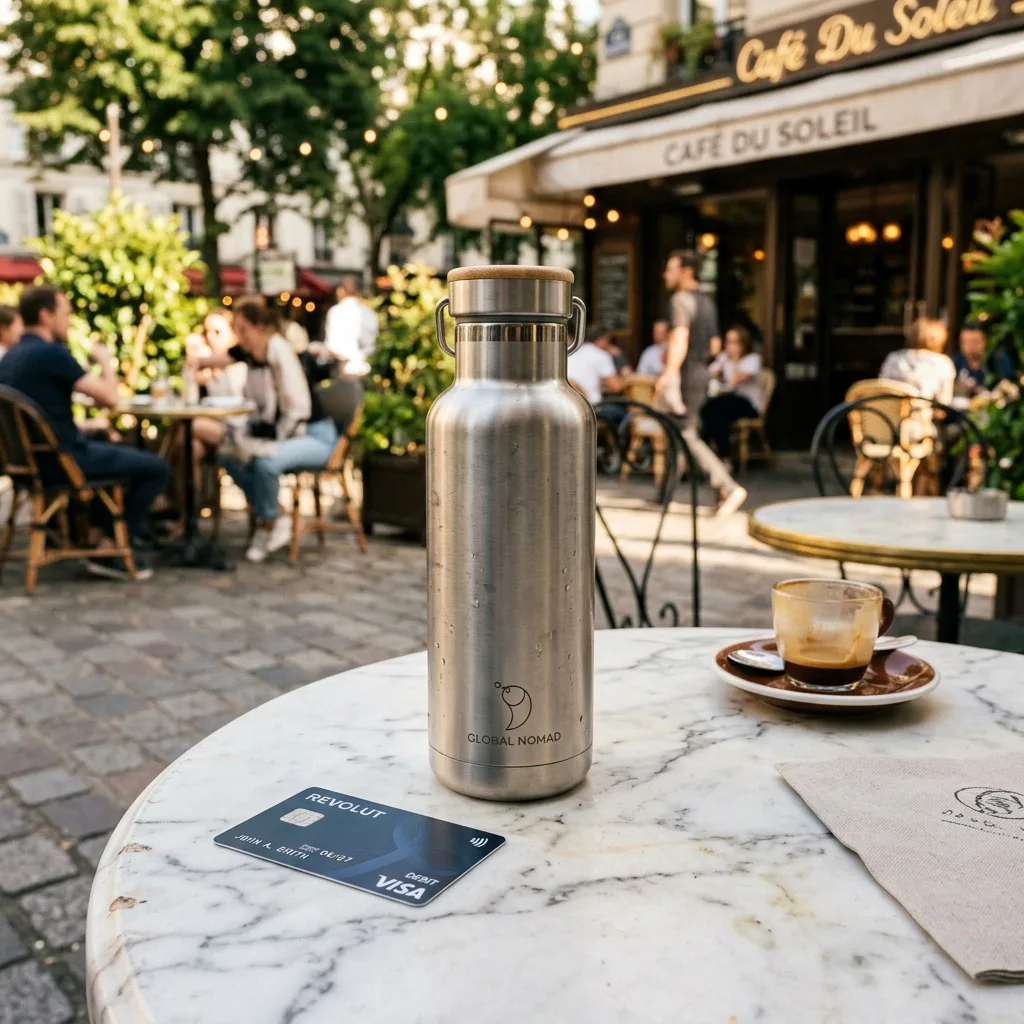
- Get a no-foreign-transaction-fee card: Cards like Wise, Revolut, or the Charles Schwab debit card let you spend and withdraw in foreign currencies without the 1.5 to 3 percent fee that standard bank cards charge per transaction. Over a two-week trip, that fee adds up to a noticeable amount.
- Never exchange money at the airport: Airport exchange rates are notoriously bad. Withdraw cash from a local ATM instead, or use a card with interbank exchange rates. The difference on a $500 exchange can easily be $25 to $40.
- Use an eSIM instead of roaming: A local eSIM from providers like Airalo or Holafly costs $5 to $15 for several gigabytes of data — versus potentially steep roaming charges outside your home network’s coverage area. Within the EU, roaming fees have been eliminated, but outside Europe they add up fast.
- Carry a refillable water bottle: Many European cities have free public drinking fountains. A filtered bottle (like LifeStraw Go) saves $5 to $10 per day worldwide. Over a week, that’s a free meal or two.
Free Activities and Experiences Worth Your Time
Some of the best travel experiences cost little or nothing. A tight budget actually pushes you toward more memorable, less touristy activities — if you know where to look.
- Free walking tours: Nearly every major city worldwide offers tip-based free walking tours. They’re often led by passionate local guides and provide deeper historical and cultural context than many paid group tours. Just bring cash for the tip.
- Museums with free admission days: Many museums offer free entry on specific days or during certain hours. The British Museum in London is always free. Dozens of museums in Mexico City charge no admission. Galleries across Paris open their doors for free on the first Sunday of each month.
- Explore nature: Hiking trails, beaches, parks, and public gardens are free almost everywhere — and they’re often the most memorable part of any trip. Budget travel and outdoor exploration go hand in hand.
- Check city passes before buying individual tickets: If you plan to visit multiple paid attractions, city passes like the Paris Pass or New York CityPASS often save 20 to 40 percent compared to buying individual entry tickets. Do the math first — they’re not always worth it for short stays.
Common Budget Travel Mistakes That Cost You Money
Even experienced travelers fall into cost traps. These are the ones that come up most often — and they’re all avoidable.
- Traveling without a daily budget: People who don’t set a daily spending target consistently overspend. Calculate your total trip budget, add a 20 percent buffer for unexpected costs, and divide by the number of travel days. Track spending with a simple app or even a notes file on your phone.
- Packing too much luggage: Checked baggage on budget airlines costs $30 to $120 per leg. Lighter luggage also makes you more mobile — you can take public transit instead of needing a taxi from the airport. One carry-on-sized bag is genuinely enough for trips up to three weeks if you pack smart.
- Buying at tourist hotspots: Restaurants, tours, and souvenirs directly next to major attractions are always marked up. Walk a few blocks in any direction, or book experiences online in advance, and you’ll pay significantly less for the same thing — or better.
- Ignoring dynamic pricing: Airlines and booking platforms use algorithms that adjust prices constantly based on demand, search history, and timing. Clear your cookies, search in incognito mode, and compare across multiple platforms. Small steps, but they catch pricing tricks that cost real money.
- Skipping travel insurance: Travel insurance costs just $2 to $5 per day but can save you thousands if you get sick, lose luggage, or need to cancel. The one time you need it and don’t have it will cost more than every premium you ever paid.
Slow Travel — The Most Underrated Way to Save
One of the most effective budget strategies is also the most counterintuitive: slow down. Staying longer in one place unlocks weekly or monthly accommodation discounts, eliminates frequent and expensive transport between cities, gives you time to find the cheap local spots tourists never discover, and lets you experience a place at a depth that fast-paced itineraries never allow. Many experienced budget travelers report that their monthly costs drop noticeably when they stop city-hopping — often landing between $1,000 and $1,500 per person per month, even while traveling comfortably. The math works because you stop paying the “moving tax” — the constant drain of transport, check-in fees, and arrival-day spending that comes with switching locations every few days.
Best Tools and Apps for Budget Travelers
- Google Flights: Flexible date search, price alerts, and an explore map for finding cheap destinations you hadn’t considered.
- Skyscanner: Compares flights, hotels, and car rentals across hundreds of providers in one search.
- Hopper: Price prediction that tells you whether to book now or wait — with color-coded calendar views.
- Hostelworld: The largest hostel booking platform, with detailed reviews and filters for amenities like kitchens and free breakfast.
- Wise (formerly TransferWise): A debit card with real mid-market exchange rates and no foreign transaction fees.
- Airalo / Holafly: Affordable eSIMs for mobile data abroad — set up before you even land.
- Rome2rio: Shows every transport option (flight, train, bus, ferry) between two points, with price comparisons and booking links.
Budget Travel Is a Strategy, Not a Sacrifice
Spending less on travel doesn’t mean settling for less. It means being more intentional about where your money actually goes. The strategies in this guide — flexible flight searches, alternative accommodations, eating like a local, traveling off-peak, targeting favorable exchange rates — can easily save you several hundred dollars per trip. Every dollar you don’t waste on overpriced hotels or airport currency exchanges is a dollar you can put toward an extra week abroad, a new destination, or an experience you’d otherwise skip.
Start with three or four of these strategies on your next trip. The savings compound faster than you’d expect — and you’ll realize just how much more travel is possible on the same budget.
Sources
- Reisetipps Magazin – Budget-Reisen: Komplett-Guide 2026
- TravelValueFinder – How to Travel Cheap: 25 Tips to Cut Your Travel Budget in Half
- PackZup – 30 Budget Travel Tips: How to Cut Costs 50%
- NerdWallet – 12 Easy Money Saving Travel Tips
- Going.com – 75 Smart Ways to Save on Every Part of Your Trip
- Smavel – 33 Spartipps zum Reisen
- ÖAMTC – Die besten Tipps für billige Strandziele
- Lonely Planet – 10 Affordable Destinations for Budget-Friendly Travel
- Topologica – Reisebudget-Rechner 2025: Echte Kosten in 50 Ländern
- NomadStory – Was kostet eine Weltreise?
Quick Comparison
| Accommodation Option | Expected Cost / Savings | Key Benefit / Best For | Featured Platforms / Brands |
|---|---|---|---|
| Hostels | $10 to $35 per night | Private rooms, co-working, and food savings (kitchens/breakfast) | Generator, Selina, Mad Monkey |
| Airbnb | 10% to 50% discount for weekly/monthly stays | Longer stays and preparing meals at home | Airbnb |
| House-Sitting & Home Swaps | Zero nightly cost (after membership/swap) | Long-term stays, pets, and swapping homes | TrustedHousesitters, HomeExchange |
| Staying Outside City Center | 40% to 60% savings compared to downtown | High quality at lower cost with easy public transit access | Not mentioned |
Frequently Asked Questions
What is the best time to book international flights for maximum savings?
For international flights, the sweet spot is 8 to 12 weeks before departure. Booking earlier does not offer much extra savings, and booking later usually results in higher prices.
How can travelers save money on accommodation without sacrificing comfort?
You can stay in modern hostels, use Airbnb weekly or monthly discounts, or try house-sitting and home swaps through platforms like TrustedHousesitters to stay for free. Additionally, booking a place outside the city center near public transit can save 40 to 60 percent.
How do weekly and monthly discounts on Airbnb work?
Many hosts offer automatic discounts of 10 to 20 percent for stays of 7 nights or more, and 30 to 50 percent for a full month. In some cases, booking 14 nights costs less than 12 nights because the weekly discount kicks in.
What are the most common budget travel mistakes that cost money?
The most common mistakes include traveling without a daily budget, packing too much luggage which triggers budget airline fees, dining at tourist hotspots, ignoring dynamic pricing algorithms, and skipping travel insurance.
How does slow travel help reduce overall trip costs?
Slow travel involves staying longer in one place, which eliminates the “moving tax” of transport and check-in fees. It also unlocks weekly or monthly accommodation discounts and gives you time to find local, budget-friendly dining options.
Which debit and credit cards are best for avoiding foreign transaction fees?
Cards like Wise, Revolut, and the Charles Schwab debit card allow you to spend and withdraw cash abroad without paying the typical 1.5 to 3 percent fee.