
Working from a beach in Bali or a cafe in Lisbon is a legitimate career path now. Making it sustainable — legally, financially, and without torching your productivity — is a different skill. What separates nomads who thrive from those who burn out in month three usually isn’t ambition. It’s preparation.
This guide covers what actually matters: international health insurance, reliable connectivity, accommodation built for people who work, visa options that keep you legal, and the financial tools that make cross-border life manageable.
Protection and Accommodation: The Foundation That Everything Else Rests On
International Health Insurance for Long-Term Nomads
The most common mistake new nomads make: assuming their standard travel insurance will cover them. It won’t. Most travel policies cap coverage at 30 to 90 days and are designed for tourists on holiday, not people building a working life abroad. Once you’re working remotely while traveling, you often fall into a coverage gap. Insurers will find it when you try to file a claim.
What you need is a nomad or expat-specific policy on a flexible, ongoing basis. Three providers dominate this space:
- SafetyWing — The most popular entry point for nomads. It runs on a subscription model billed every four weeks, and you can sign up from anywhere in the world, even mid-trip. Coverage is solid for the price. Note: the US is excluded unless you pay for the add-on. For nomads spending most of their time in Southeast Asia, Europe, or Latin America, it strikes the right balance of cost and coverage.
- Genki — More comprehensive, with no annual benefit limits. Built specifically for remote workers. If you have pre-existing conditions or plan to spend significant time in countries with expensive healthcare systems, the higher premium earns its place.
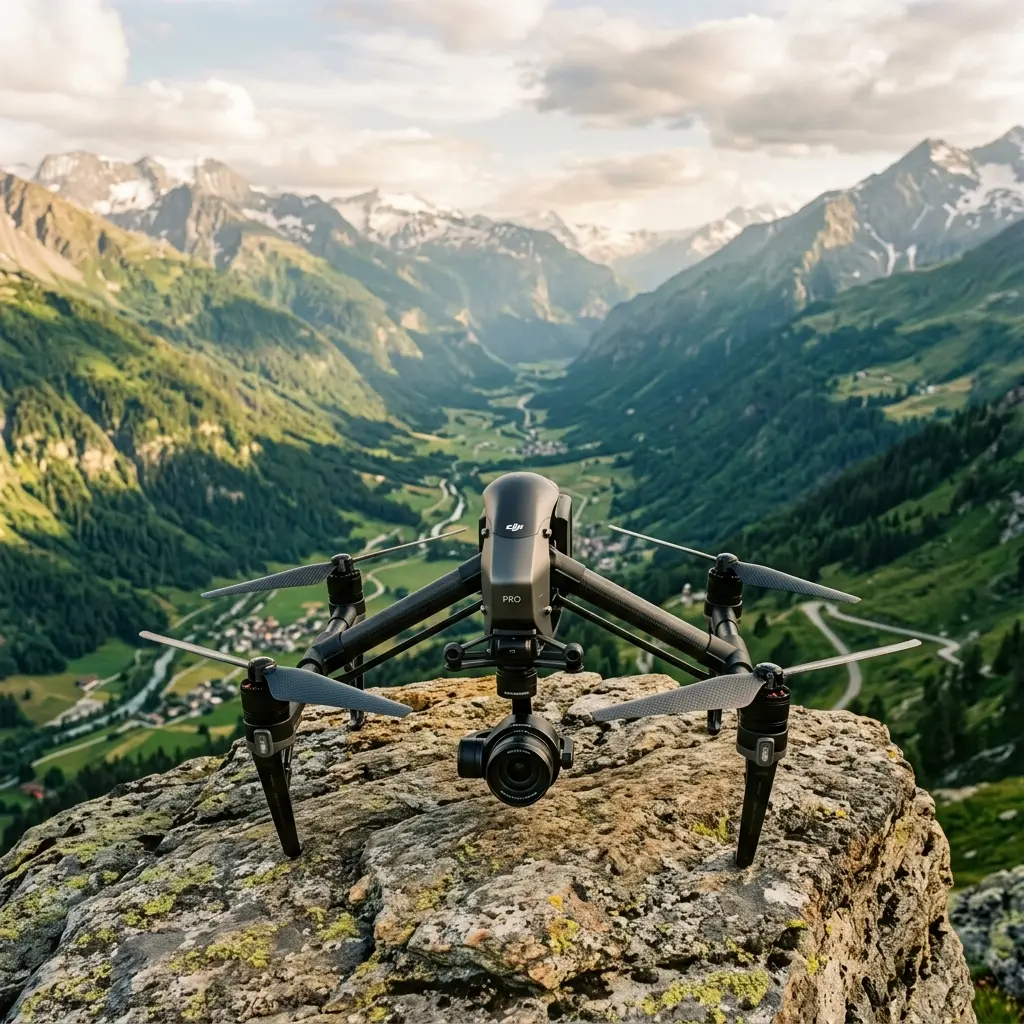
- World Nomads — The best fit for nomads who do more than desk work. Adventure sports, trekking, and expensive equipment — laptops, cameras, drones — can all be included. Price it for what you actually do, not just what sounds good in a description.
One thing most comparison articles skip entirely: ask whether a policy includes mental health support. Isolation is a real and underacknowledged problem in the nomadic lifestyle. A handful of providers now include therapy sessions or mental health helplines. It’s worth asking about before you commit to a plan.
Finding Accommodation That Works for Someone Who Actually Works
Airbnb works well for short trips. For stays of a month or more, costs climb fast. Many hosts also aren’t set up for someone spending eight hours a day on their Wi-Fi. Connection quality is inconsistent, and listings rarely tell you that upfront.
These platforms are better suited to how nomads actually live:
- Flatio — Mid-term furnished rentals, typically one to twelve months, with no large security deposits. Landlords are verified, and you sign a legal lease through the platform. That lease matters if you ever need proof of an address for a visa application or a bank account.
- Coliving.com — A search engine specifically for coliving spaces worldwide. These combine accommodation and coworking under one roof. The community aspect is genuine in the best of these spaces — you’re living alongside other remote workers, which solves both the isolation problem and the “where do I find a decent desk?” problem at once.
- Nomad List — Not accommodation itself, but essential before you book anything. It aggregates real data on internet speeds, cost of living, safety, and nomad-friendliness for hundreds of cities worldwide. The internet speed data alone has steered many nomads away from destinations averaging 8 Mbps. Always check it before committing to a city.
The part nobody tells you about coliving: quality varies wildly. Some spaces are genuinely excellent — fast internet, real community, quiet zones for focused work. Others are glorified hostels with a standing desk shoved in the corner. Read recent reviews from a source other than the space’s own website before you book anything.

Connectivity and Financial Tools: Staying Productive as You Move
eSIM Providers That Hold Up When You Need Them
A stable connection is your most important professional asset on the road. eSIM technology has made getting online in a new country genuinely straightforward. Download a data profile from an app and activate it. No hunting for a local SIM card, no language barrier at a phone shop counter.
The differences between providers matter more than most nomads realize — usually discovered the hard way mid-presentation:
- Airalo — The largest eSIM marketplace, covering 200+ countries and regions. Packages are affordable, and you pay for what you use. Best suited for moderate data needs and shorter stays. Works well as a reliable backup even alongside a primary eSIM.
- Holafly — Offers unlimited data in most supported destinations, which sounds ideal for data-heavy remote work. The catch worth knowing before you buy: hotspot sharing is restricted or unavailable on many Holafly plans. If your laptop is your primary work device and you planned to tether it to your phone, verify this before purchasing. For phone-only use — Slack, email, maps, navigation — Holafly is excellent.
- Nomad and Saily — Solid alternatives with flexible data packages and straightforward activation. Good options if Airalo’s prices run high for your destination, or if you want a secondary eSIM as a backup.
In practice, many experienced nomads carry two eSIMs: one primary, one backup. The cost difference is low. The protection against a failed connection mid-client-week is real. When your income depends on being online, a single plan is a single point of failure you don’t need.

Managing Money When You’re Crossing Borders Constantly
Foreign transaction fees and currency conversion markups are a slow, invisible drain. A traditional bank account charging 3% on every foreign purchase and a flat fee per international wire costs real money over a full year of nomadic life. Two alternatives handle this better:
- Revolut — Multi-currency accounts with interbank exchange rates and fast international transfers. The free tier covers most basic needs. Paid tiers add travel insurance, higher ATM withdrawal limits, and priority support.
- bunq — Strong on privacy, solid multi-currency functionality, and a well-built app. A reliable alternative for nomads who want a European banking backbone without the overhead of a traditional bank.
On security: a VPN is not optional if you work from public spaces — cafés, coworking spots, hotel lobbies. Public Wi-Fi is easy to intercept. A reliable VPN encrypts your traffic and protects client data. If you have confidentiality clauses in your client contracts, this isn’t just a best practice. It’s a contractual obligation.
Visas and Legal Status: Working Abroad Without the Gray Zone
Digital Nomad Visas: What’s Actually Available by Region
The old nomad approach was simple: stay under the tourist visa limit, keep a low profile, and leave before you overstayed. It worked. It also left people in a legal gray zone that some countries are now actively enforcing. More than 50 countries now offer some form of digital nomad or remote work visa, and the number keeps growing.
Here’s a practical breakdown by region:
- Europe — Estonia was first and remains a strong option, particularly for non-EU nationals. Spain, Portugal, Croatia, and Greece have all added nomad-specific programs. Portugal’s Digital Nomad Visa is currently one of the most sought-after globally. The combination of reasonable income requirements, solid infrastructure, and still-manageable cost of living outside Lisbon explains the demand.
- Latin America and the Caribbean — Costa Rica, Mexico, and Colombia are consistently popular choices. Mexico benefits from a large existing nomad community in cities like Mexico City and Oaxaca, plus relatively relaxed entry rules for many nationalities. Costa Rica’s program is more formal but well-organized.
- Asia and the Middle East — Thailand’s Long-Term Resident (LTR) Visa and Malaysia’s DE Rantau program are the headline options in Asia. Dubai offers a Freelance and Remote Work Visa that targets higher earners. Coverage across this region is expanding, but processing times vary significantly between programs.
What You’ll Typically Need to Apply
Requirements differ by country, but the core documents are consistent across most programs:
- Proof of remote income above a minimum monthly threshold — typically between €1,500 and €4,500, depending on the destination
- An employment contract or documented freelance client relationships
- A criminal background check from your home country
- Valid international health insurance for the intended duration of your stay
The income threshold is what catches most applicants off guard. It’s not about whether you can afford to live locally. It’s about demonstrating to the host country that you won’t become an economic burden on their system. Croatia, for example, sets the threshold around €2,500 per month. Some Caribbean destinations aim considerably higher.
Start the application earlier than you think you need to. Processing times range from two weeks to several months. Getting caught in a tourist visa overstay because you assumed the nomad visa would arrive faster is entirely avoidable — but only if you build the time into your plan from the start.

The Challenges That Don’t Show Up in the Highlight Reels
The nomadic lifestyle genuinely delivers on its promise of freedom. It also comes with real friction that most travel content prefers to skip past.
Taxes. This is where many nomads eventually get a shock. Spending extended time across multiple countries can trigger tax residency in more than one of them. Most countries consider you tax resident after 183 days in a calendar year, though exact rules differ. Failing to address this proactively can result in double taxation — owing simultaneously in both your home country and a host country. Tax treaties between many nations exist to prevent this, but navigating them usually requires an expat tax specialist, not your regular accountant back home.
Isolation and routine. Loneliness is underreported in nomad communities because it runs counter to the aspirational image. In practice, sustaining meaningful relationships while constantly moving is hard. Nomads who stay in this lifestyle long-term tend to share two traits: a deliberate daily routine and consistent access to a community — a coliving space, a regular coworking spot, or an online group they show up in reliably.
Internet reliability on the ground. Even highly rated nomad cities can have poor connectivity in specific neighborhoods. A strong city average on Nomad List doesn’t guarantee the apartment you’ve booked has reliable fiber. Verify with your host directly, or check a neighborhood-specific forum or local Facebook group before you arrive — not after.
Build the Invisible Infrastructure First
The freedom the nomadic lifestyle offers is real. So is the work required to make it function properly. The insurance, the connectivity plan, the legal status, the financial setup — none of it is visible when everything runs smoothly. All of it becomes visible the moment something goes wrong.
Get the infrastructure right first. The freedom takes care of itself.
Sources
- unaufschiebbar.de
- safetywing.com
- genki.world
- flatio.com
- coliving.com
- nomads.com (Nomad List)
- airalo.com
- holafly.com
- auslandsjob.de
Quick Comparison of Nomad Health Insurance
| Provider | Best For | Payment Model | Key Coverage & Limits |
|---|---|---|---|
| SafetyWing | Budget-conscious nomads in Southeast Asia, Europe, or Latin America | Subscription model billed every four weeks (can sign up mid-trip) | Solid coverage for the price; US excluded unless paid add-on is purchased |
| Genki | Remote workers needing comprehensive coverage or with pre-existing conditions | Higher premium based on coverage depth | No annual benefit limits; covers expensive healthcare systems |
| World Nomads | Nomads participating in adventure sports, trekking, or carrying expensive gear | Custom pricing based on actual activities and equipment | Covers adventure sports, trekking, and expensive equipment (laptops, cameras, drones) |
Frequently Asked Questions
What is the difference between standard travel insurance and digital nomad insurance?
Standard travel insurance is designed for short-term tourists on holiday and typically caps coverage at 30 to 90 days. It does not cover long-term remote work, which can leave you with a coverage gap when filing claims. Nomad-specific policies offer ongoing, flexible coverage designed specifically for the needs of remote workers living abroad.
Why is Portugal’s digital nomad visa so popular?
Portugal’s Digital Nomad Visa is one of the most sought-after globally because it offers a combination of reasonable income requirements, solid infrastructure, and a still-manageable cost of living outside of Lisbon. This makes it an attractive and accessible option for remote workers looking to establish legal status in Europe.
How much income do I need to qualify for a digital nomad visa?
While requirements vary by country, you typically need to prove a remote income threshold of €1,500 to €4,500 per month. For instance, Croatia sets its monthly income requirement at approximately €2,500, whereas some Caribbean destinations have higher thresholds. These requirements exist to show you will not become an economic burden on the host country.
Can I share my phone’s hotspot with my laptop using Holafly?
Although Holafly offers unlimited data in most destinations, hotspot sharing is restricted or unavailable on many of their plans. If your laptop is your primary work device and you plan to tether it to your mobile phone, you must verify this restriction before buying. For phone-only use like Slack and email, it remains an excellent choice.
What are the tax implications of long-term digital nomad life?
Staying in a country for an extended period—typically 183 days or more in a calendar year—can trigger tax residency. Failing to plan for this proactively can lead to double taxation, where you owe taxes to both your home country and the host country. Navigating these tax treaties usually requires consulting an expat tax specialist.
Do I really need a VPN when working remotely?
A VPN is not optional if you work from public locations such as cafés, coworking spaces, or hotel lobbies, where Wi-Fi connections are easily intercepted. A reliable VPN encrypts your internet traffic to secure sensitive client data. For many freelancers and remote employees, this security measure is a contractual obligation under client agreements.