

You don’t need a fat bank account to travel internationally. You need a strategy. The gap between an expensive trip and a budget one comes down to timing, tools, and habits most travelers never pick up. Where you go, when you fly, how you pay, and where you sleep all have cheaper alternatives. And cheaper doesn’t have to mean uncomfortable.
Picking the Right Destination and Season
Your destination choice affects every other cost. Pick a country with a low cost of living and your daily budget goes further than you’d expect.
Affordable International Destinations Worth Visiting
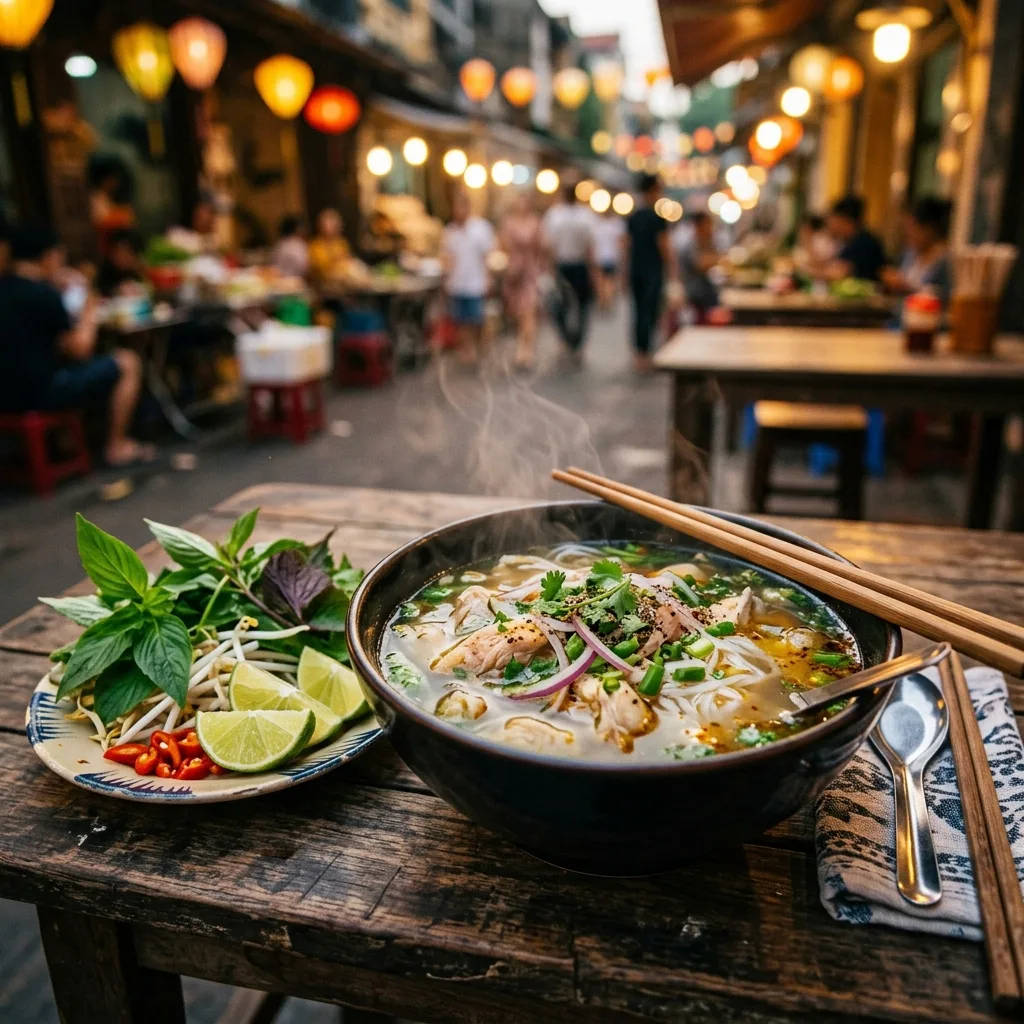
In Southeast Asia, Vietnam, Cambodia, and Laos stand out for their low daily costs. Street food, guesthouses, and local transport keep spending very low. In Europe, skip the Western capitals and look east. Albania, Bulgaria, Romania, Hungary, and Georgia offer rich history and scenery at a fraction of Western European prices. If Latin America appeals, Bolivia and Cusco in Peru are strong picks for backpackers on tight budgets.
Why Shoulder Season Saves You the Most Money
Shoulder season is the window just before or after a destination’s peak tourist period. Prices on flights and accommodation drop. The weather is usually still good. And crowds thin out, which improves the whole experience on top of the savings.
The mistake most people make? They only avoid school holidays and forget about local public holidays that spike prices in specific countries. Checking both before you book is what separates a good deal from a great one.
How to Find the Cheapest International Flights
Flights are usually the biggest single expense. But they’re also where the biggest savings hide.
Flight Comparison Tools That Actually Help
Google Flights, Skyscanner, and Kayak let you compare fares across airlines in real time. Use the “explore” feature to see the cheapest destinations within your date range. What most people overlook: midweek departures and flights with one layover cost noticeably less than direct weekend flights. Flexibility with dates matters more than which search tool you use.
Error Fares: Airline Pricing Glitches You Can Book
Error fares happen when airlines accidentally publish fares at 40–90% below normal prices. Monitoring services like Secret Flying, Fly4free, and Going track these glitches and send alerts when they appear.
When you spot one, book immediately with a credit card. And here’s the part nobody tells you: never contact the airline to ask about the price. That flags the error and gets it corrected on the spot.
Budget Airlines and the Carry-On Trap
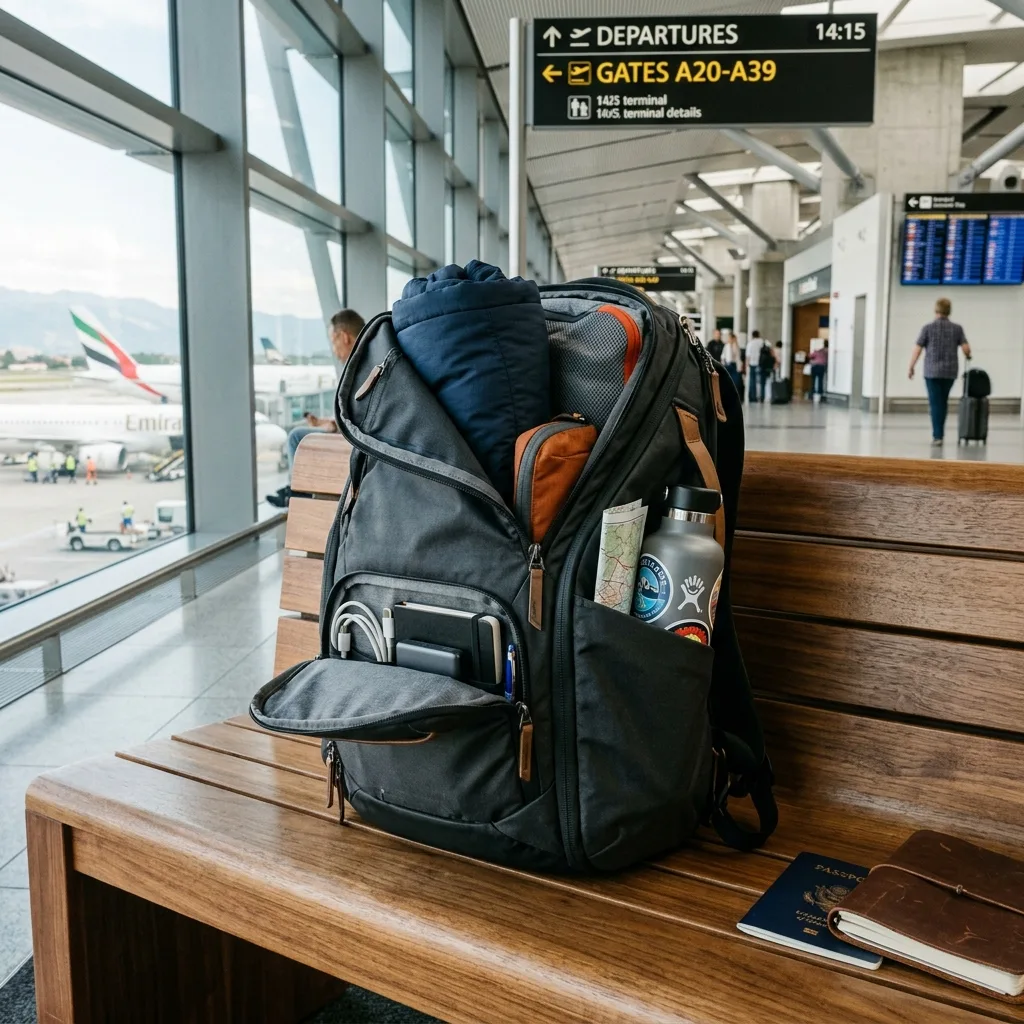
Budget airlines save money on short-haul and regional routes. But only if you pack light. The biggest mistake budget travelers make is showing up with luggage that doesn’t meet the airline’s size and weight limits. That surprise fee at the gate can wipe out everything you saved on the fare. Check the baggage policy before you book, not after.
Knowing how to pack everything in a carry-on is a skill worth learning on its own.
Budget-Friendly Accommodation and Food
Once you arrive, daily spending depends almost entirely on where you sleep and eat. Small adjustments here can stretch your trip by days or even weeks.
Trading Skills for Free Accommodation
Platforms like Worldpackers and Workaway connect travelers with hosts who offer free lodging in exchange for about 25 hours of work per week. Tasks range from hostel reception to social media help to gardening.
This isn’t a free ride. Twenty-five hours is a real weekly commitment, and the work matters. But it eliminates your biggest daily expense and often includes meals or access to common facilities.
The trade-off between the two platforms is worth understanding. Worldpackers offers structured traveler support and a placement guarantee if something falls through. Workaway has a larger, more diverse directory of hosts worldwide. Pick based on whether you value safety nets or options.

Eating at Local Markets Instead of Tourist Restaurants
Restaurants in tourist zones charge inflated prices. The fix is simple: eat where locals eat. Visit neighborhood markets and supermarkets. If your accommodation has a shared kitchen, cook a few meals yourself. The savings make a real difference in how long your budget lasts.
Managing Your Money and Health Overseas
Spending less on the trip itself means nothing if hidden fees eat your budget from the other side. Banking costs and medical emergencies catch more travelers off guard than anything else.
Fee-Free Travel Cards and the Local Currency Rule
Traditional banks charge steep fees on foreign purchases and ATM withdrawals. Fintech cards solve this. Revolut lets you exchange currency at interbank rates with no markup Monday through Friday. Wise uses the real mid-market exchange rate on every transaction. N26 is another popular choice among international travelers.
In Spain, cards from Imagin, B100, and Abanca NX offer solid alternatives with no card issuance charges.
One rule applies everywhere, regardless of which card you carry. When a payment terminal abroad asks whether to charge you in the local currency or your home currency, always choose local currency. Choosing your home currency triggers dynamic currency conversion, and that means a worse exchange rate set by the merchant’s bank.
Why Skipping Travel Insurance Is the Worst Way to Save
Cutting travel insurance to save money sounds smart until something goes wrong. Medical costs in countries like the United States, Canada, or Japan can reach thousands of euros. Heymondo offers strong coverage at competitive prices, with a mobile app and 24-hour medical chat. IATI Seguros has a long track record and policies designed specifically for backpackers.
Spending a little on insurance protects you from spending everything on a hospital bill. Understanding what your policy actually covers is worth a closer look before you fly.
Risks and Warnings for Budget Travelers
Budget strategies come with real trade-offs. Ignoring them leads to problems that cost more than the savings.
Error fares can be cancelled by the airline in the days after booking. Don’t book non-refundable hotels or activities based on an error fare until the payment fully clears. Budget airline penalties for oversized bags hit hard. And if you’re considering a volunteer exchange, read reviews from other travelers carefully. Not every host on these platforms offers fair or safe conditions.
One Last Thing Before You Book
You don’t need to apply every strategy at once. Start with one — finding a cheaper flight, or picking a shoulder-season window, or switching to a no-fee travel card. Each one saves real money on its own. Stack a few and the math changes completely.
The cheapest trip you’ll take is the one where every decision was made on purpose. That’s a skill. And it gets easier every time.
Quick Comparison
| Platform | Weekly Work Commitment | Primary Benefit | Key Advantage |
|---|---|---|---|
| Worldpackers | About 25 hours per week | Free lodging | Structured traveler support and placement guarantee |
| Workaway | About 25 hours per week | Free lodging | Larger, more diverse host directory worldwide |
Sources
- EF Argentina: Guide to Traveling Abroad
- Assist Card: Travel Tips and Planning
- Viviendo de Viaje: Travel Card Comparisons
- Bankkers: Neobank and Exchange Rate Guide
- GetYourGuide: Global Destination Guides
- HolaSim: Recommended Destinations and Connectivity
- Viajeros Piratas: Tips and Error Fares
- Heymondo: Travel Insurance and Medical Coverage
- IATI Seguros: Policies for Backpackers and Families
- Worldpackers: Work Exchanges and Volunteering Abroad
Frequently Asked Questions
What is the best time to book flights and accommodation to save money?
Booking during the shoulder season, which is the period just before or after a destination’s peak tourist window, offers the best savings. Additionally, checking for both school holidays and local public holidays helps avoid price spikes.
What are error fares and how should I book them?
Error fares are accidental airline pricing glitches that discount flights by 40% to 90%. They should be booked immediately using a credit card without contacting the airline, as alerting them will cause the error to be corrected.
What is the trade-off between Worldpackers and Workaway?
Both platforms offer free lodging for about 25 hours of weekly work. Worldpackers provides structured support and a placement guarantee, while Workaway features a larger and more diverse host directory.
How do Revolut and Wise help save money abroad?
These fintech cards help you avoid traditional bank fees. Revolut allows you to exchange currency at interbank rates with no markup on weekdays, while Wise offers the real mid-market exchange rate on all transactions.
Why should I always choose the local currency at foreign payment terminals?
Choosing the local currency avoids dynamic currency conversion. Paying in your home currency allows the merchant’s bank to set a worse exchange rate, adding unnecessary costs to your transaction.