


Southeast Asia keeps showing up on every “travel cheap” list for a reason — it actually delivers. While living costs have climbed worldwide, these 5 countries still let you eat well, sleep comfortably, and move freely. Your daily spending here might equal what a single restaurant dinner costs back home. Here’s what each destination actually costs, what most travel blogs leave out, and the budget mistakes that catch first-timers off guard.
The difference between a good budget trip and a miserable one usually comes down to knowing where your money goes before you land. Not just “it’s cheap,” but how cheap, for what, and where the hidden costs are.
Where Your Money Goes Furthest: 5 Cheapest Countries in Asia
1. Vietnam: The Best Value for Money in Southeast Asia
Vietnam consistently tops the list for budget backpackers, and the numbers back it up. A daily budget of 25 to 45 USD covers accommodation, food, local transport, and activities in cities like Hanoi and Ho Chi Minh City. That range depends on your comfort threshold. The lower end means dorm beds and street food only. The upper end gets you private rooms and the occasional splurge.
Hostel dorms run between 5 and 12 USD per night. If you want your own space, private rooms with air conditioning and a bathroom in family-run guesthouses typically cost 15 to 30 USD. One thing to plan around: if you travel during Tet (Lunar New Year), expect local prices to roughly double. Book accommodation early during that period or you’ll pay significantly more for less.
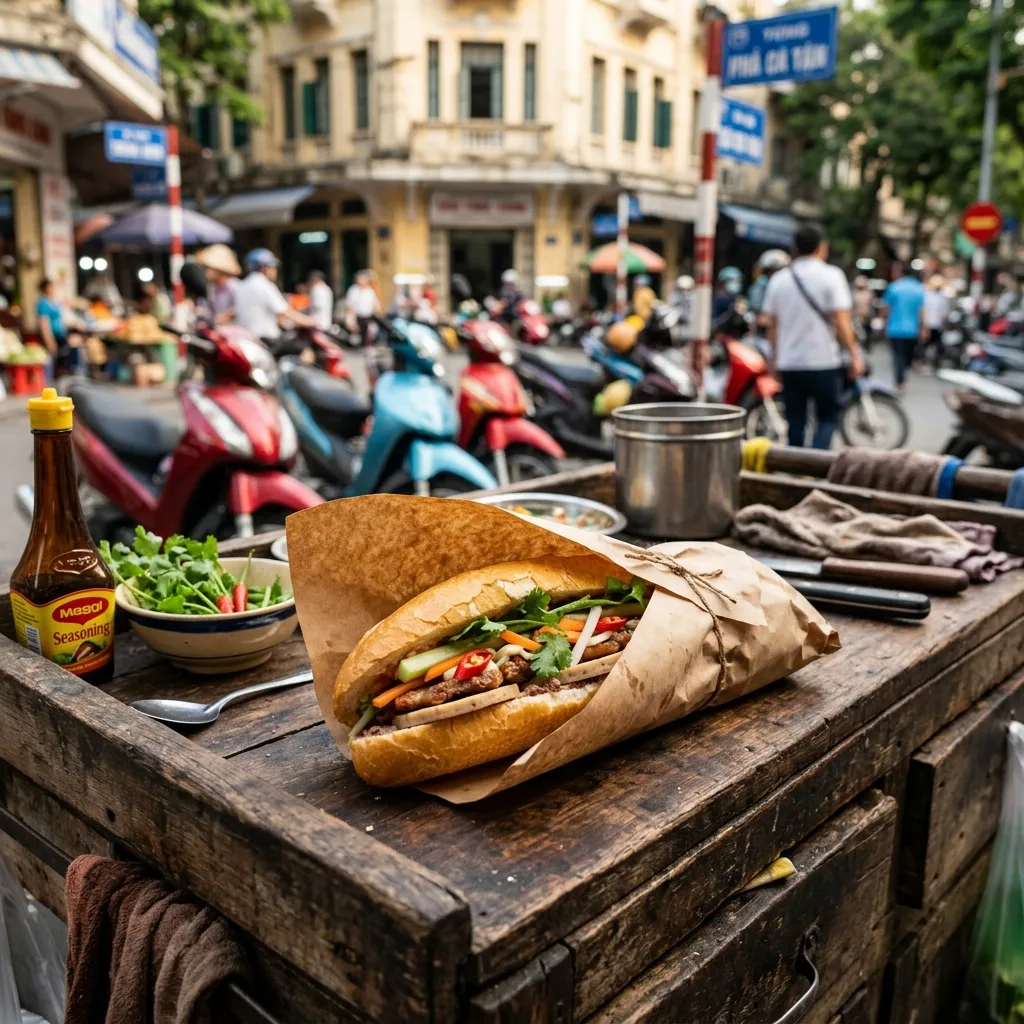
Street food is where Vietnam really shines for budget travelers. A bowl of pho or a banh mi sandwich costs 1 to 3 USD from street vendors. For getting around cities, use the Grab app instead of hailing taxis. It’s the safest, cheapest option and removes the guesswork. No haggling, no rigged meters.
2. Chiang Mai, Northern Thailand: Temples and Culture on a Shoestring
Southern Thailand and its islands have gotten expensive. The north is a different story. In Chiang Mai, you can travel comfortably on 17 to 28 USD per day (roughly 600 to 1,000 THB). The city draws backpackers for its relaxed pace and hundreds of Buddhist temples. A large digital nomad community keeps affordable cafes and coworking spaces thriving year-round.
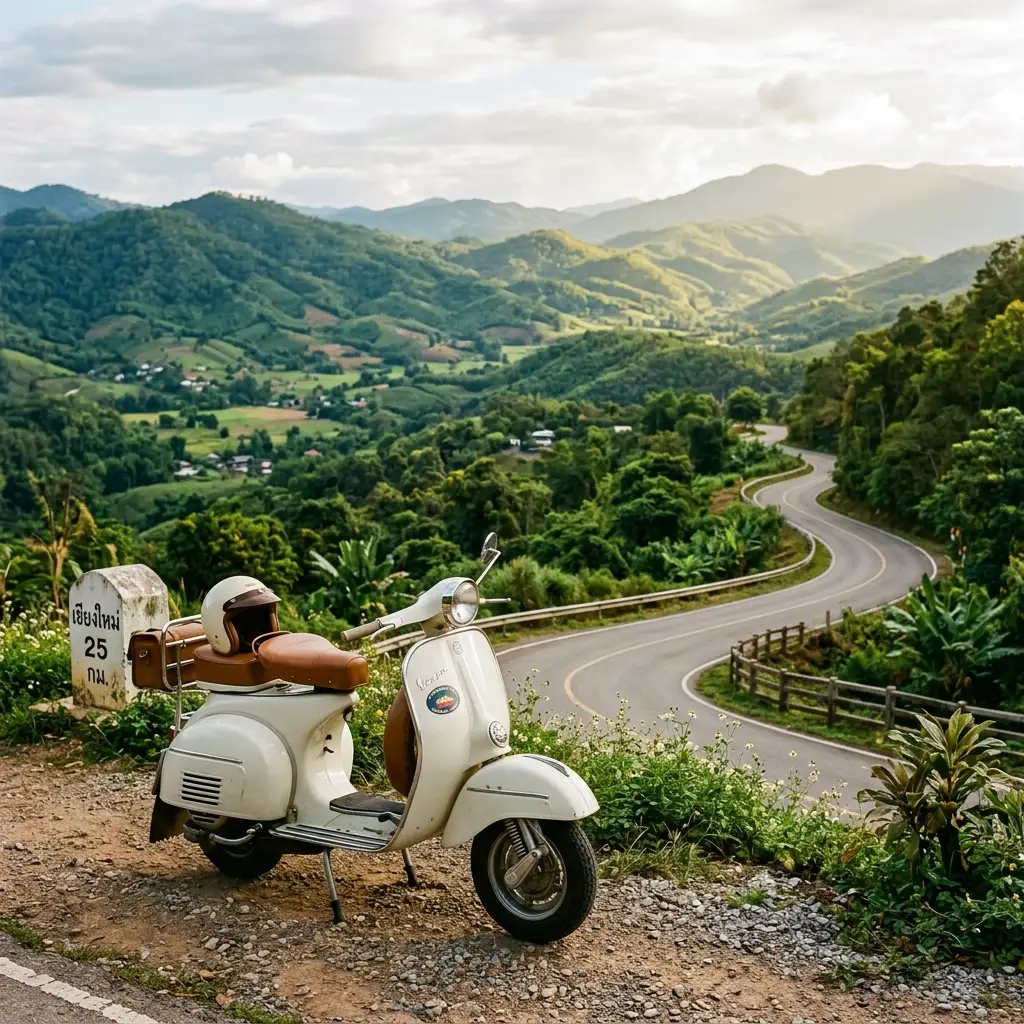
The biggest transport mistake tourists make here is jumping into tuk-tuks. They’re overpriced for what you get. Use the songthaews instead, shared red trucks that run fixed urban routes at set fares. If you have a valid international driving license and some riding experience, a scooter costs less than 5 USD a day. It gives you total freedom to explore the surrounding mountains and countryside.
For food, head to the night markets. Warorot Market is a local favorite where a full meal costs under 2 USD. Most historic temples inside the old city walls are free to enter or ask only for a small voluntary donation. You can fill an entire day with temple visits and market browsing without spending more than a few dollars.
3. Laos: Quiet Rivers and Jungle Mountains at Rock-Bottom Prices
Laos is one of Asia’s least crowded destinations, and costs reflect that. A daily budget of 22 to 28 USD is enough to travel at a slow, comfortable pace through mountain landscapes and river towns. The 4,000 Islands in the south and the village of Nong Khiaw in the north are where time genuinely slows down. So does your spending.
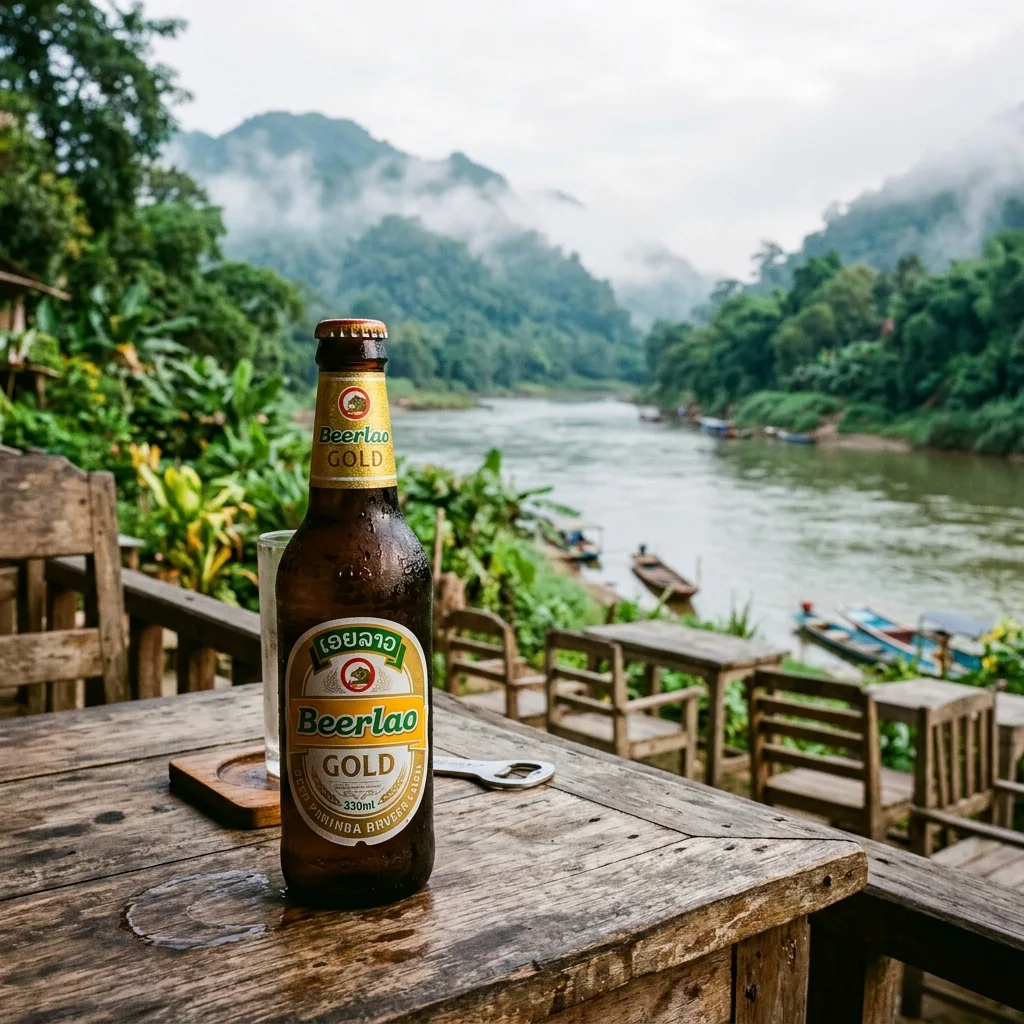
Basic cabins and family-run guesthouses cost 5 to 12 USD per night. Street food and night market meals run 1.50 to 3 USD per plate. And you can’t leave without trying Beer Lao. It’s widely considered one of the best beers in Southeast Asia, and a bottle costs just 1.50 USD.
Two things to budget for upfront. The visa on arrival costs 30 to 42 USD depending on your nationality, and there’s no way around this fee. Laos also runs almost entirely on cash. ATMs exist in larger towns, but fees are steep and many rural areas have no ATMs at all. Bring a no-fee travel debit card (Wise and similar fintech cards work well here). Carry enough physical cash to cover a few days at a time.
4. Nepal: World-Class Trekking Without the Premium Price Tag
Nepal is the destination for hikers and mountain lovers who don’t want to drain their savings. An independent backpacking trip costs 22 to 32 USD per day. Pokhara is the ideal base for organizing treks without paying the inflated rates international agencies charge.
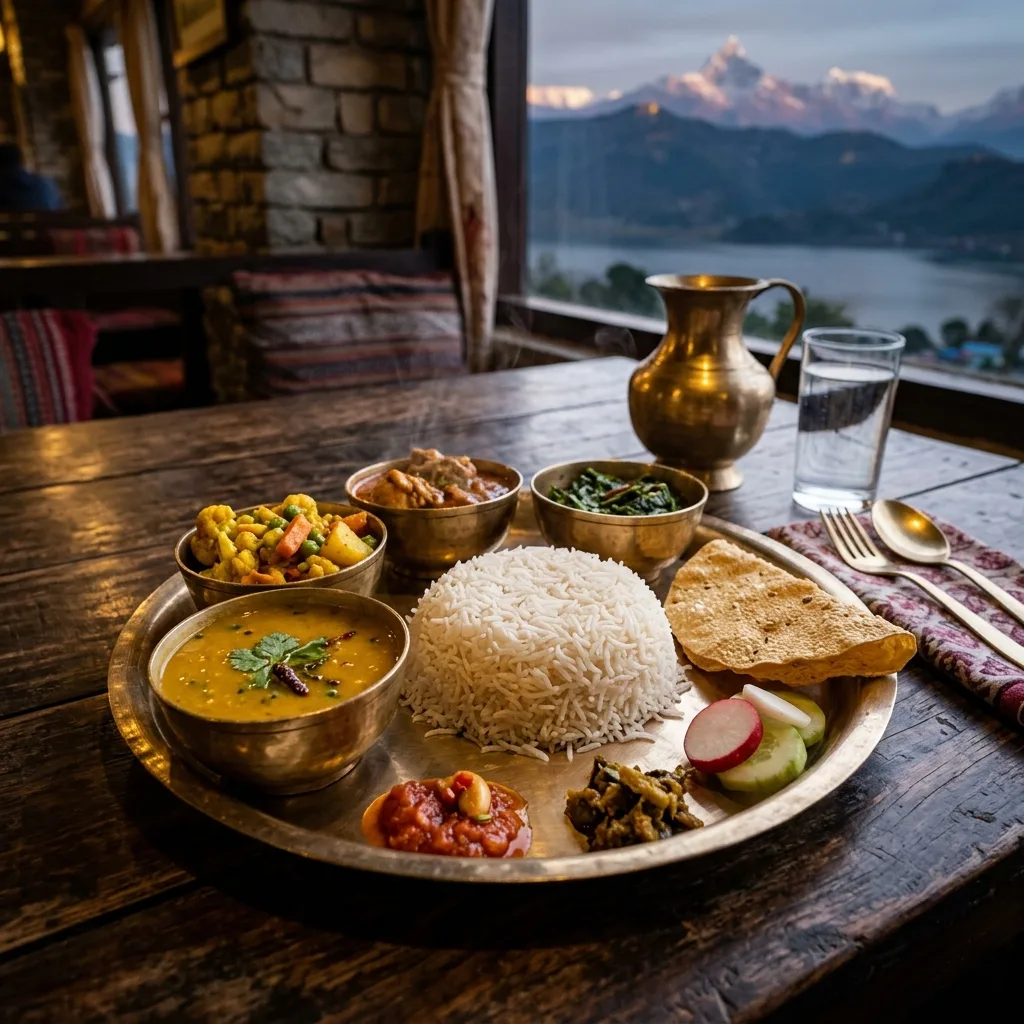
The real budget hack in Nepal is dal bhat, the national dish of rice with lentil soup and vegetables. Order it at local restaurants for 3 to 5 USD, and they’ll refill your plate at no extra charge. That unlimited refill policy is genuine. It makes dal bhat the cheapest way to eat well in the country. For intercity travel, local buses are far cheaper than domestic flights, though the trade-off is longer, slower, bumpier rides on mountain roads.
The costs that catch people off guard in Nepal are the mandatory ones. A tourist visa runs 30 to 125 USD depending on duration. Trekking permits add another 40 to 50 USD. And here’s what most budget guides gloss over: food and lodging prices climb as you gain altitude on trekking routes. A meal that costs 3 USD in Pokhara might cost 8 USD at a mountain teahouse. Factor that in before you calculate your trekking budget.
5. Indonesia: Affordable Adventure Beyond Bali’s Tourist Trail
Southern Bali has become genuinely expensive. But Indonesia is a country of over 17,000 islands, and most of them are still very affordable. Explore Sumatra, Java, or Lombok instead. A daily budget of 22 to 38 USD (400,000 to 700,000 IDR) covers beaches, active volcanoes, and ancient temples without financial stress.
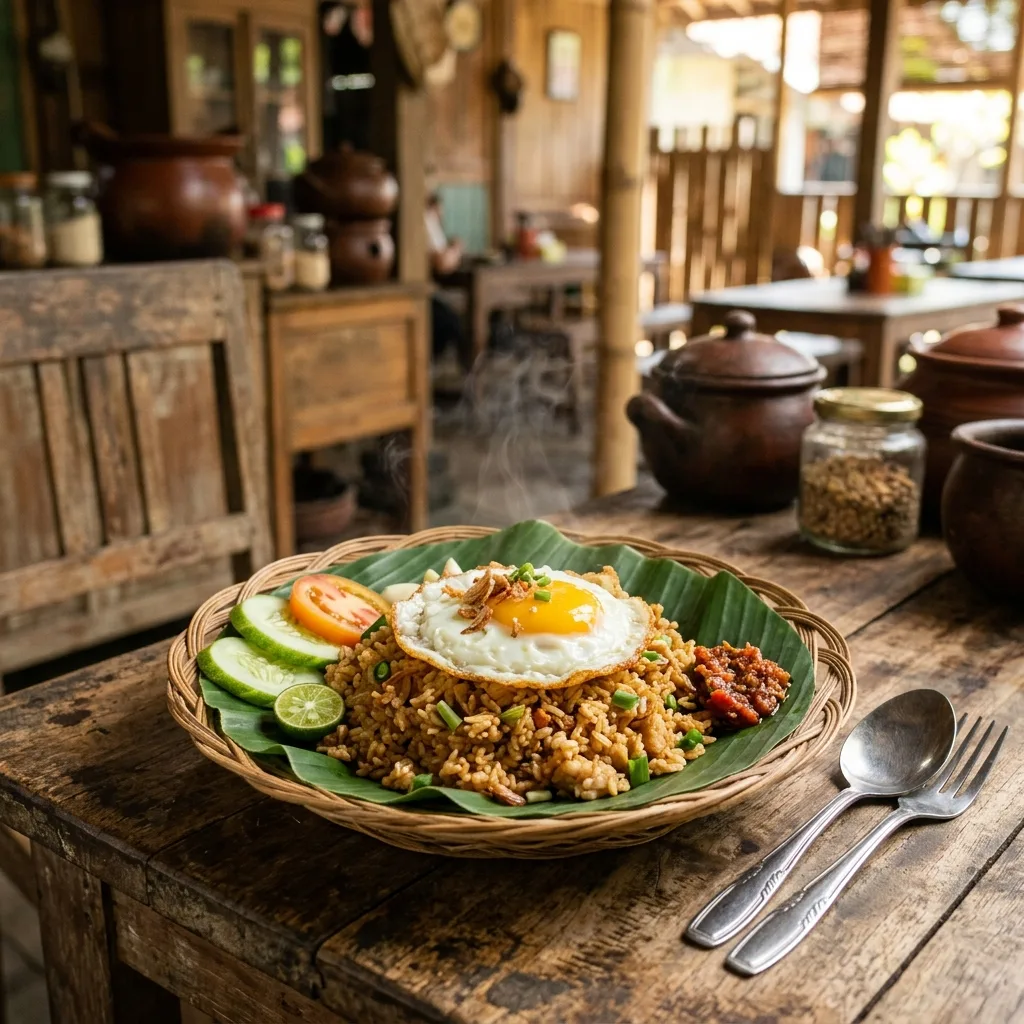
Hostel beds cost 4 to 8 USD per night. Budget hotels with a private room for two people run 13 to 26 USD. The cheapest way to eat is at warungs, small family-owned restaurants where generous plates of local food cost under 2 USD. These are where locals eat, and the food is often better than what you’ll find in tourist-facing places.
Renting a motorbike is the most popular and affordable way to get around the islands, costing less than 5 USD per day. One required cost to plan for: the Visa on Arrival fee is 500,000 IDR (about 32 USD) and must be paid upon entry. Have the cash ready in local currency or USD to avoid delays at immigration.
Daily Budget Comparison Across All 5 Destinations
Here’s how the numbers stack up side by side, based on backpacker-level spending:
- Vietnam (Hanoi / Ho Chi Minh City): 25 to 45 USD per day. Hostels: 5 to 12 USD. Private rooms: 15 to 30 USD. Pho or banh mi: 1 to 3 USD.
- Northern Thailand (Chiang Mai): 17 to 28 USD per day. Hostels: 11 to 17 USD. Private rooms: 17 to 28 USD. Night market meals: 1 to 2 USD.
- Laos (Luang Prabang / 4,000 Islands): 22 to 28 USD per day. Guesthouses: 5 to 12 USD. Street food: 1.50 to 3 USD.
- Nepal (Pokhara / Kathmandu): 22 to 32 USD per day. Guesthouses: 5 to 15 USD. Dal bhat with refills: 3 to 5 USD.
- Indonesia (Sumatra / Java): 22 to 38 USD per day. Hostels: 4 to 8 USD. Private rooms: 13 to 26 USD. Warung meals: 1 to 2 USD.
Chiang Mai stands out as the cheapest overall daily spend, but Vietnam offers the widest range of experiences for the money. Nepal looks affordable on paper until you add mandatory visa and permit fees. Indonesia’s costs depend heavily on which island you choose. Stick to Java or Sumatra and you’ll spend roughly half of what southern Bali charges.
Budget Travel Pitfalls Worth Planning For
Cheap travel comes with trade-offs, and knowing them in advance makes the difference. Minor tourist scams in taxis and markets are common across all five destinations. The fix is simple: agree on a price before you get in, eat, or buy. Bargain respectfully in informal markets, but always settle the number first.
Cash is still king outside major cities and tourist zones. ATM withdrawal fees from local banks are often steep, sometimes 5 to 7 USD per transaction. Traveling with a no-fee debit card from a fintech provider like Wise or Revolut saves a surprising amount over a multi-week trip. This is one of those small decisions that adds up fast.
The one area where cutting costs can genuinely hurt you is safety. Travel insurance is not optional, especially if you plan to rent motorbikes or do any high-altitude trekking. A basic policy costs a fraction of what a single hospital visit would. Most budget travelers underestimate how easily a scooter accident or altitude sickness can happen.
How to Score Cheap Flights Across Asia
Flights are usually the biggest single expense on a long Asia trip, but heavy competition between budget airlines keeps regional fares low. AirAsia, Scoot, VietJet Air, and Nok Air all offer sharp prices if you book at least three weeks ahead.
A smart routing strategy: fly into a major regional hub first. Kuala Lumpur, Singapore, or Bangkok typically receive the cheapest international fares. From there, short budget flights to your actual destination cost a fraction of flying direct from outside Asia.
The trap most people fall into with budget airlines is the luggage. Base fares never include checked bags, and paying for excess weight at the airport counter is painfully expensive. Sometimes more than the flight itself. Buy your luggage allowance online when you first book. Also, keep a printed copy of an onward flight or exit ticket. Airlines will check for this at boarding, and not having one can mean you don’t get on the plane.
Budget travel in Asia works best when you stop trying to optimize every dollar and start optimizing for the right experiences. The cheapest meals are at the places where locals actually eat. The best transport is whatever the residents use daily. And the most memorable parts of any trip here rarely cost anything at all. Pick one of these five countries, set a realistic daily number, and go.
Sources
- Vietnam National Authority of Tourism
- Nomado Travel App – Chiang Mai Guides
- Mochi Adictos – Backpacker Budgets
- Un par de Nómadas – Nepal Guides
- Sin Destino Fijo – Southeast Asia Travel
- Sino has viajado – Indonesia Guides
- Marcando el Polo – Budget Travel in Asia
Quick Comparison
| Destination | Daily Budget (USD) | Budget Accommodation | Local Meal Cost |
|---|---|---|---|
| Vietnam | $25 to $45 | $5 to $12 (Hostels) / $15 to $30 (Privates) | $1 to $3 (Street food) |
| Chiang Mai (Northern Thailand) | $17 to $28 | $11 to $17 (Hostels) / $17 to $28 (Privates) | Under $2 (Night markets) |
| Laos | $22 to $28 | $5 to $12 (Guesthouses/Cabins) | $1.50 to $3 (Street food) |
| Nepal | $22 to $32 | $5 to $15 (Guesthouses) | $3 to $5 (Dal bhat) |
| Indonesia | $22 to $38 | $4 to $8 (Hostels) / $13 to $26 (Privates) | Under $2 (Warungs) |
Frequently Asked Questions
Which country is the cheapest to visit overall?
Chiang Mai in Northern Thailand has the lowest daily spending budget at 17 to 28 USD per day. However, Vietnam also offers excellent value with a range of 25 to 45 USD per day depending on your comfort level.
What is the cheapest meal option in Nepal?
The cheapest way to eat in Nepal is ordering dal bhat (rice with lentil soup and vegetables) at local restaurants. It costs 3 to 5 USD and comes with free, unlimited refills.
How can I avoid transport scams in Vietnam?
You should use the Grab app for city transport instead of hailing street taxis. It provides safe, affordable rides with fixed prices and removes any meter or price haggling.
Why is it important to carry cash in Laos?
Laos operates almost entirely on cash, and many rural areas do not have ATMs. Additionally, the ATMs in larger towns charge high fees, so you should carry enough cash to cover several days.
Which budget airlines fly within Southeast Asia?
You can book cheap flights with regional budget carriers such as AirAsia, Scoot, VietJet Air, and Nok Air. Fares are generally lowest when booked at least three weeks in advance.
Do I need travel insurance for a budget trip to Asia?
Yes. Travel insurance is essential, particularly if you plan to rent motorbikes or go high-altitude trekking. A basic policy is a small expense compared to the potential cost of a hospital visit or a scooter accident.