
You don’t need to drain your savings for a memorable European trip. Some of the most rewarding places on the continent cost a fraction of what you’d spend in Paris or Barcelona. The trick is knowing where to look.
Eastern Europe and the Balkans consistently deliver the best value. Full days of sightseeing, solid meals, and clean beds for under €50 per person. These 5 destinations prove that budget travel in 2026 doesn’t mean settling for less.
Albania: Europe’s Best-Kept Budget Secret
Albania has quietly become the destination savvy budget travelers won’t stop recommending. The capital, Tirana, has a surprisingly vibrant arts and café scene, and you can eat a full local meal for under €5. That’s not a typo.
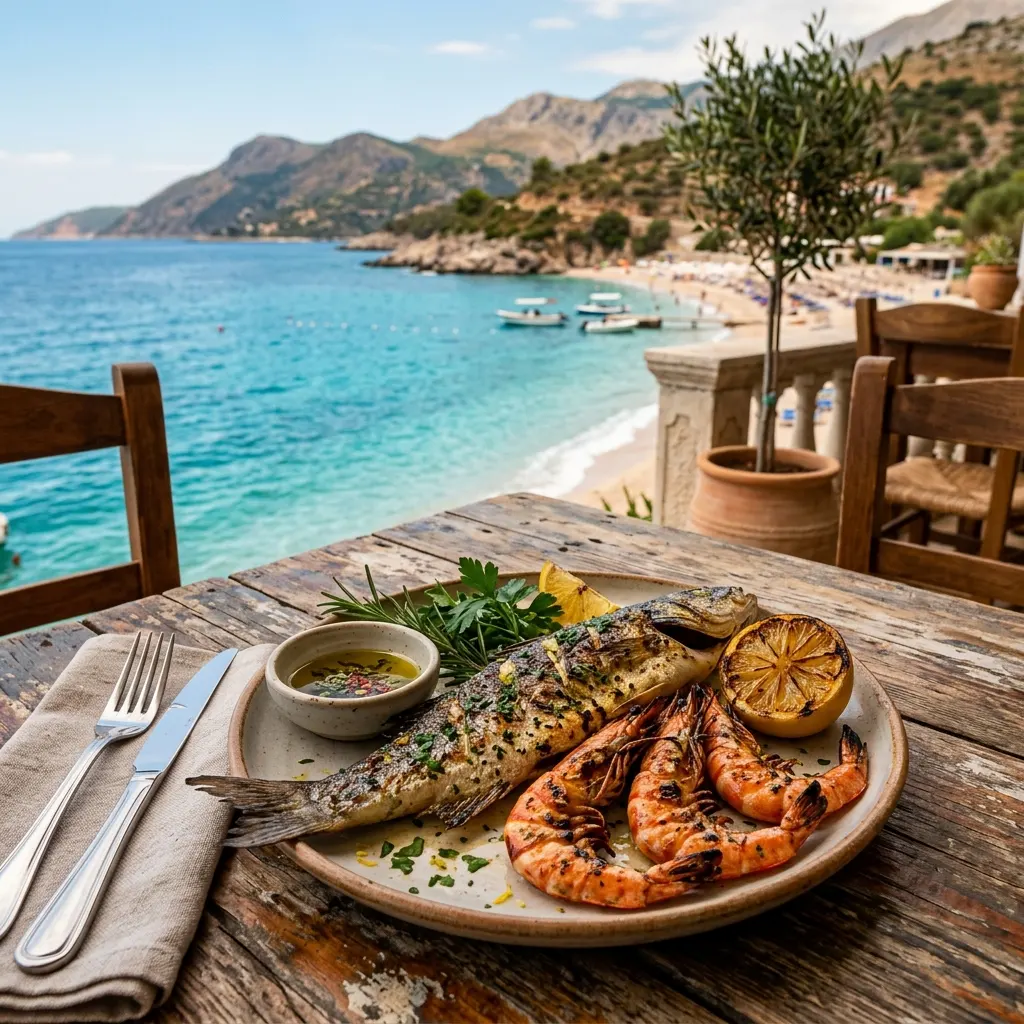
The real draw is the Albanian Riviera. Beaches that rival Greece’s coastline, minus the crowds and the price tags. Spots like Dhërmi and Himara deliver turquoise water and fresh seafood at prices that feel almost unfair compared to the Italian or Croatian coast.
The mistake most people make? Assuming Albania lacks infrastructure. Roads have improved significantly in recent years, and Tirana’s hostel and boutique hotel scene has grown fast. It’s not the Albania of ten years ago.
Bulgaria: Mountains, Beaches, and Prices That Surprise You
Bulgaria has been a budget travel staple for years, and for good reason. The Black Sea coast offers genuine beach holidays at a fraction of Mediterranean prices. But the country’s real depth shows inland.
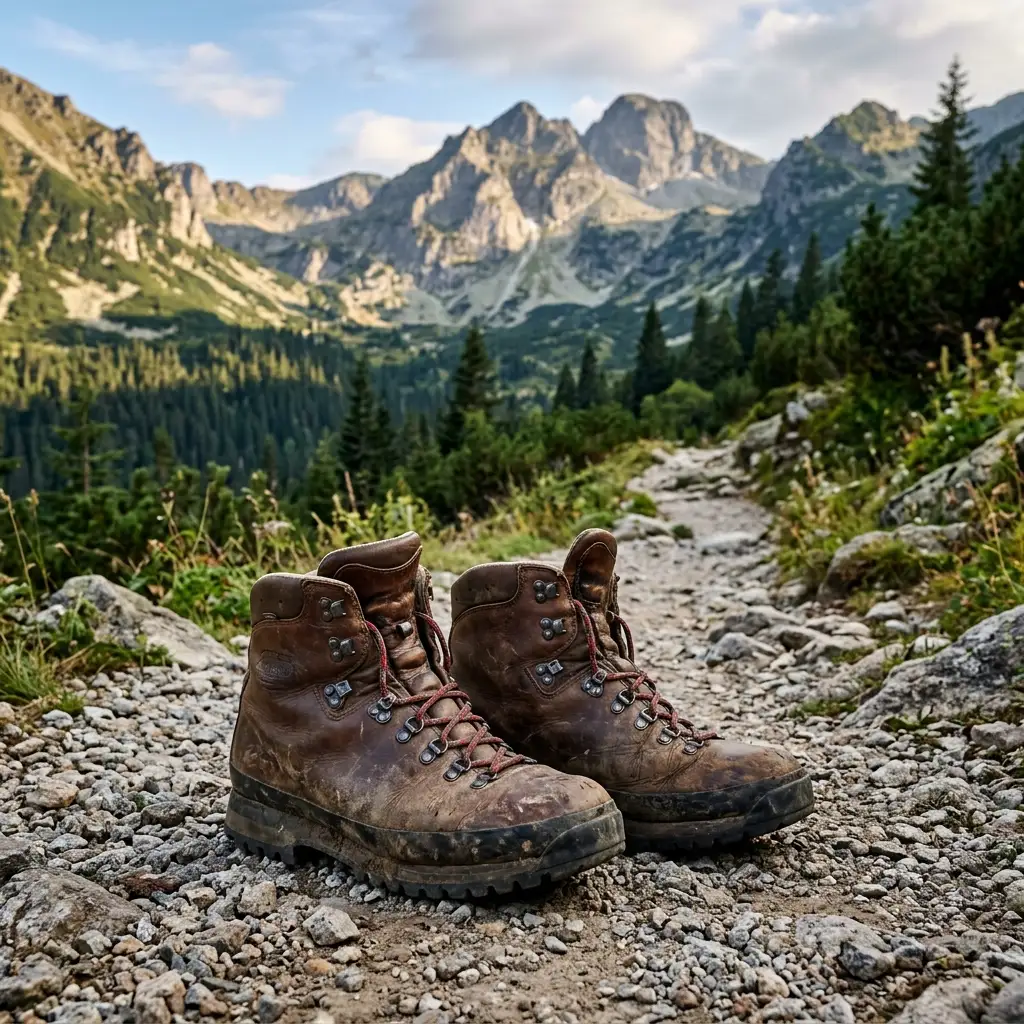
The mountain ranges are where Bulgaria shines for anyone willing to lace up hiking boots. Rila and Pirin offer trails through landscapes that would cost double or triple in the Swiss Alps. Ski season is equally affordable. Bansko, one of Europe’s cheapest ski resorts, draws a growing crowd every winter.
What most people overlook: Bulgarian food. Beyond the beach resorts, small-town restaurants serve dishes like kavarma and shopska salad that are genuinely excellent. The quality-to-price ratio on everyday meals here is hard to beat anywhere in Europe.
Krakow, Poland: A World-Class City at Hostel Prices
Krakow punches way above its weight. The Old Town is a UNESCO World Heritage Site. The café culture is thriving. The nightlife draws backpackers from across Europe. And a full day here still costs less than a decent dinner in London.
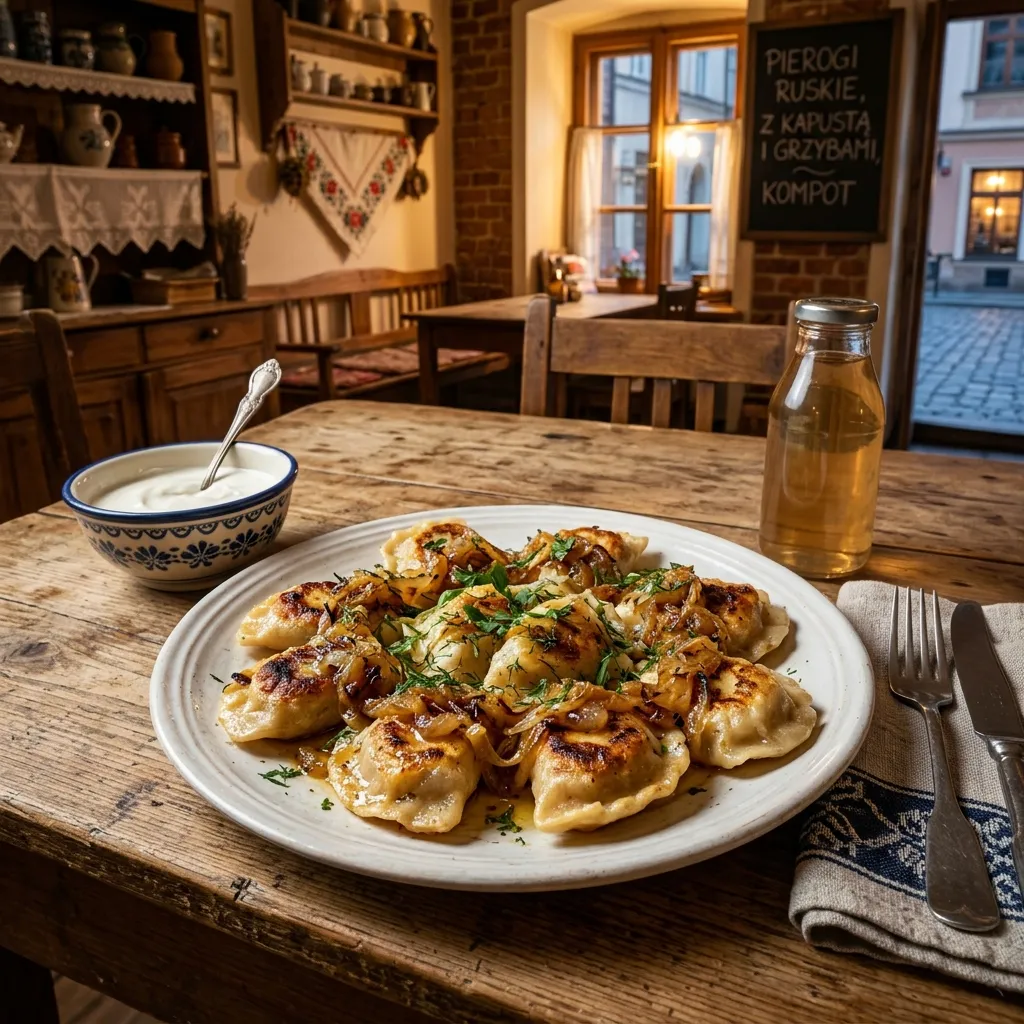
The insider move is Poland’s milk bars (bar mleczny). These subsidized canteens serve traditional Polish dishes like pierogi, bigos, and żurek for prices that feel like a time warp. A filling lunch for €2–3 is standard. Milk bars are not tourist traps. They’re where locals eat every day.
Beyond the food, Krakow’s location makes it a natural base for day trips. The Wieliczka Salt Mine sits 20 minutes away, and the Tatra Mountains are reachable for a weekend hike. Understanding how Poland’s rail network connects these spots makes the whole region much more accessible.
Bosnia and Herzegovina: Raw, Real, and Ridiculously Affordable
If you want a destination that hasn’t been polished for mass tourism, this is it. Bosnia and Herzegovina rewards the curious traveler, not just the comfortable one.
Sarajevo is unlike any other European capital. Ottoman, Austro-Hungarian, and Yugoslav layers sit side by side on the same street. The ćevapi alone is worth the trip. Grilled minced meat served in somun bread for around €2–3. It tastes like it should cost ten times that.
Outside the cities, nature takes over. The Kravica Waterfalls make for a genuinely stunning day trip. Una National Park offers rafting and hiking without the crowds you’d find at comparable spots in Croatia. Mostar’s Stari Most bridge is iconic, but the quieter neighborhoods around it tell a deeper story.
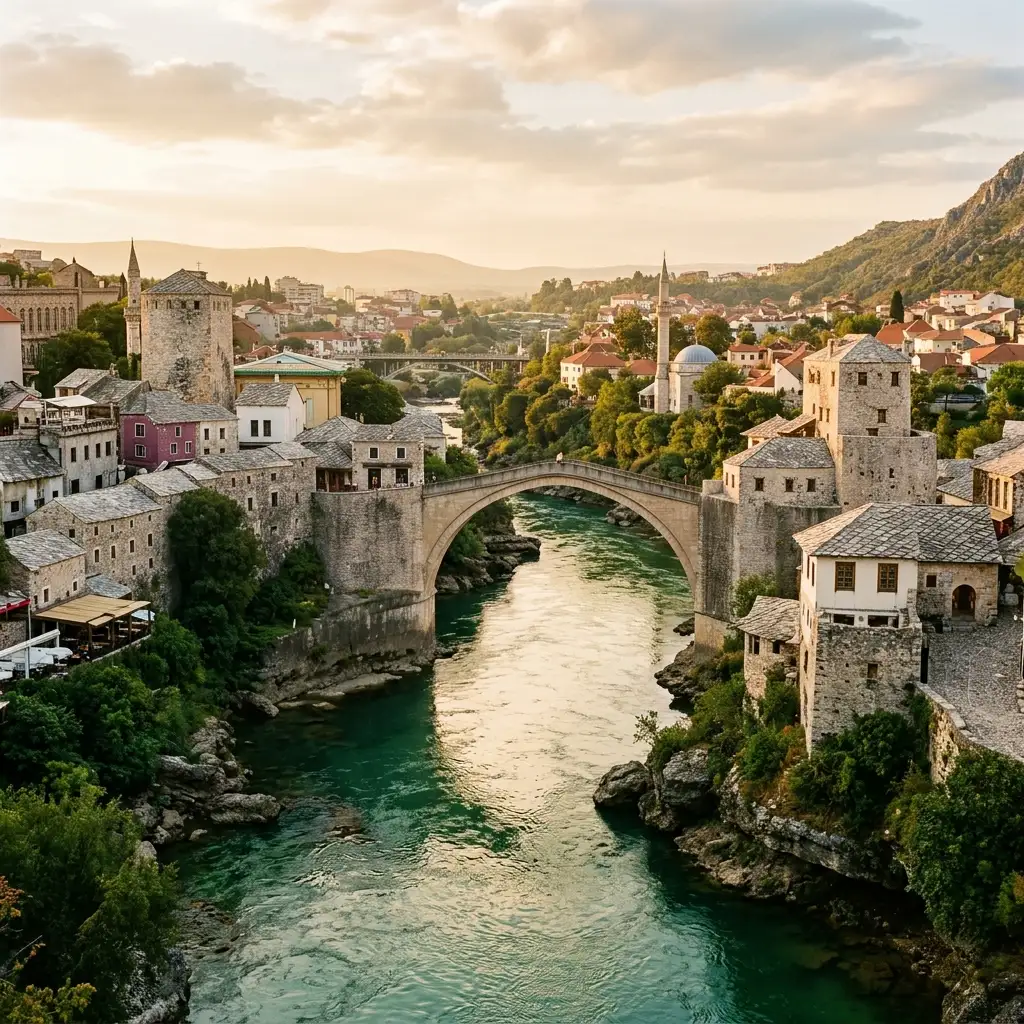
One thing to know before you go: card payment is hit-or-miss outside Sarajevo and Mostar. Carry convertible marks (BAM) in cash, especially in smaller towns.
Hungary: Thermal Baths and City Breaks Without the Price Tag
Hungary manages something rare: first-class experiences at budget prices. Budapest is the obvious starting point. The thermal baths alone justify the trip. Széchenyi and Gellért are the famous ones, but smaller neighborhood baths offer the same mineral-rich water with fewer crowds and lower entry fees.
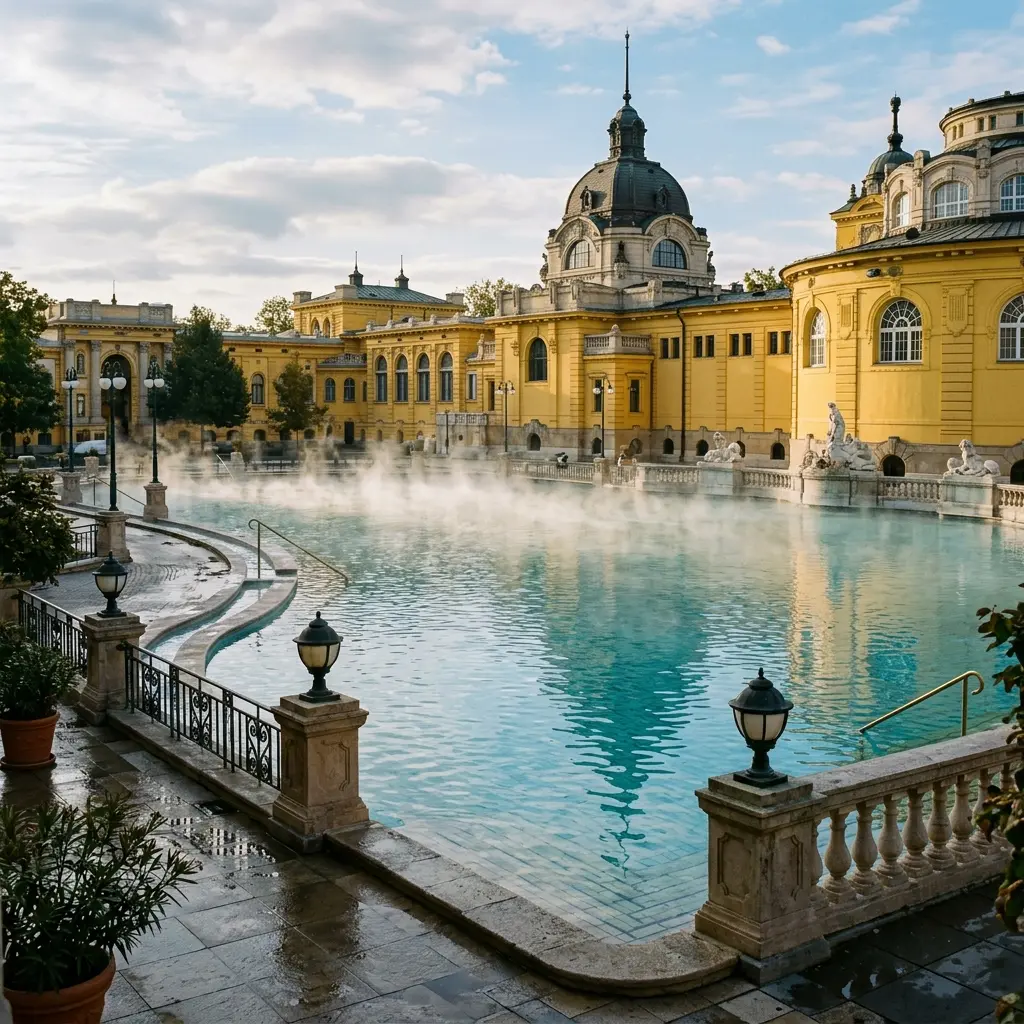
Budapest’s ruin bars deserve their reputation. Built inside abandoned buildings in the Jewish Quarter, they’ve become a nightlife category of their own. Drinks cost a fraction of what you’d pay in Berlin or Amsterdam.
Outside Budapest, Lake Balaton is Hungary’s summer escape. It’s not the Mediterranean, but that’s the point. It’s quieter, cheaper, and surrounded by wine country. The thermal town of Hévíz, built around Europe’s largest thermal lake, offers spa packages that would cost three times as much in Western Europe.
What a Day Actually Costs in These Destinations
Daily spending depends on your travel style, but here’s what realistic budgets look like per person in 2026. These figures exclude flights and long-distance transport to get there.
- Albania: Budget travelers (hostels, public transport) spend roughly €30–50 per day. Mid-range travelers (hotels, sit-down restaurants) land around €50–90.
- Bulgaria: Budget runs €25–45 per day. Mid-range sits around €50–80. Consistently one of the cheapest countries on the continent.
- Krakow, Poland: Budget is €35–55 per day. Mid-range is €80–130. Pricier than rural Poland, but still a bargain by Western European standards.
Bosnia and Herzegovina and Hungary fall in a similar range to the destinations above, with budget travelers finding both countries among the most affordable options in Europe.
Apps and Tools That Actually Save You Money
The right app saves more than any coupon book. These are worth downloading before your trip:
- Route planning: Omio compares buses, trains, and flights in one search. FlixBus covers most of Eastern Europe at rock-bottom prices. Rome2Rio maps every possible route between two points, including options you wouldn’t think to search for.
- Splitting costs: Splitwise tracks shared expenses so nobody ends up overpaying. It saves friendships on group trips.
- Avoiding bank fees: Foreign ATM and currency conversion fees add up fast. A multi-currency card from a provider like Wise or Revolut lets you spend in local currencies without hidden markups. When an ATM offers to convert to your home currency, always decline. That “convenience” typically costs 3–5% extra.
The Risks Budget Travelers Should Plan For
Cheap doesn’t mean worry-free. A few things catch people off guard.
Peak-season price spikes are real. Albanian beach towns like Ksamil and Bulgaria’s Black Sea resorts can double their accommodation rates in July and August. The same hostel that costs €12 in June might hit €25 in August. Shoulder season (May, early June, September) delivers the same weather at half the cost.
Cash dependency varies by country. Albania still runs heavily on cash, especially outside Tirana. The local currency is the lek, and rural areas rarely accept cards. Poland uses the złoty, Hungary uses the forint, and Bosnia uses the convertible mark. In all three, avoid airport exchange counters. Their rates are consistently the worst option. Withdraw from ATMs in the local currency instead, and always decline the machine’s offer to convert for you.
One thing most travel guides skip: flexibility is the single biggest money-saver. The travelers who spend least aren’t the ones hunting for deals. They’re the ones who travel in shoulder season, eat where locals eat, and stay one neighborhood outside the tourist core. That shift alone cuts daily costs more than any app or trick.
Sources
- Swiss Bankers
- Esquire Deutschland
- Leisure Time
- Travorio
- Weg.de
- Visit Ukraine
- Rearview Mirror
- Urlaubsguru Österreich
- HolidayCheck
- Abenteuer Globus
- Sonnenklar.TV
- Check24
- Skyscanner Österreich
Quick Comparison
| Destination | Key Highlights | Estimated Daily Budget (Budget / Mid-Range) | Currency & Cash Advice |
|---|---|---|---|
| Albania | Albanian Riviera beaches (Dhërmi, Himara), Tirana arts & café scene | €30–50 / €50–90 | Lek (Heavily cash-dependent) |
| Bulgaria | Rila & Pirin trails, Bansko ski resort, Black Sea coast | €25–45 / €50–80 | Not mentioned |
| Krakow (Poland) | UNESCO Old Town, milk bars (bar mleczny), Tatra Mountains | €35–55 / €80–130 | Złoty (Avoid airport exchange) |
| Bosnia and Herzegovina | Sarajevo, Kravica Waterfalls, Una National Park rafting | Similar to other destinations (under €50 for budget) | Convertible mark (BAM) (Cash needed outside major cities) |
| Hungary | Budapest thermal baths & ruin bars, Lake Balaton, Hévíz | Similar to other destinations (under €50 for budget) | Forint (Avoid airport exchange) |
Frequently Asked Questions
What are the cheapest European destinations to visit in 2026?
Eastern Europe and the Balkans consistently offer the best value. Albania, Bulgaria, Poland (Krakow), Bosnia and Herzegovina, and Hungary are excellent choices where budget travelers can easily get by on under €50 per day.
Which currency is used in Albania, and is card payment accepted?
Albania uses the lek. The country is highly cash-dependent, and credit or debit cards are rarely accepted outside of Tirana. It is recommended to carry cash in lek for everyday transactions, especially in rural areas.
What is a Polish milk bar (bar mleczny)?
A milk bar (bar mleczny) is a subsidized Polish canteen that serves traditional dishes like pierogi, bigos, and żurek at very low prices. They are not tourist traps and offer a filling, authentic meal for €2–3.
How can I save money on transportation in Eastern Europe?
You can use travel planning tools like Omio to compare flights, trains, and buses, or book with FlixBus for budget-friendly road routes. Additionally, Rome2Rio is useful for mapping out all possible travel connections between destinations.
How can travelers avoid foreign ATM and transaction fees?
Travelers can use multi-currency debit cards from financial apps like Wise or Revolut to pay in local currencies without hidden fees. Additionally, when using foreign ATMs, you should always choose to be billed in the local currency and decline any automatic conversion offers from the machine.