

Family vacations take more planning than any other kind of trip, and most parents figure that out the hard way. But here’s the thing — once you’ve handled the logistics, traveling with kids becomes one of the most rewarding experiences you’ll share together. Family tourism now accounts for roughly 27% of the international travel market, and that number keeps climbing for good reason.
The difference between a smooth family trip and a stressful one almost always comes down to preparation. Not over-planning every hour, but getting the right documents sorted, packing strategically, and setting realistic expectations for what a day with kids actually looks like on the road. That’s what this guide covers — the practical side of traveling with children, from border paperwork to the apps that genuinely help.
What’s Actually Changing in Family Travel
The travel industry has shifted significantly toward accommodating families, and you can feel it. Accommodation bookings using family-specific filters have jumped 66% in recent years. That’s not a marketing gimmick — it reflects a real change in what parents expect. Fewer exhausting activity marathons, more thoughtfully designed experiences that work for everyone in the group.
Multigenerational Trips Are Everywhere Now
One of the strongest trends right now is multigenerational travel — grandparents, parents, and kids sharing a single itinerary. This works well when it’s designed right, but there’s a common mistake most families make: planning as if everyone has the same energy level.
The trips that actually succeed build in shared activities alongside individual downtime. A grandparent might want to read by the pool while the kids hit the water park. That’s not a failure of togetherness — it’s the reason everyone is still speaking to each other by day four.

Purpose-Driven Travel and Unplugging
Family trips are moving away from pure entertainment toward something more intentional. Parents are seeking out interactive workshops, nature immersion, and even genealogy tourism — tracing family roots as part of the journey. There’s also a growing push toward tech-free stretches during trips, carving out hours where nobody reaches for a screen.
In practice, this doesn’t mean banning devices entirely. It means choosing moments — a morning hike, a shared meal — where the phones stay in the bag. The families who pull this off say the same thing: the quality of conversation changes completely.

Documents and Paperwork You Can’t Afford to Skip
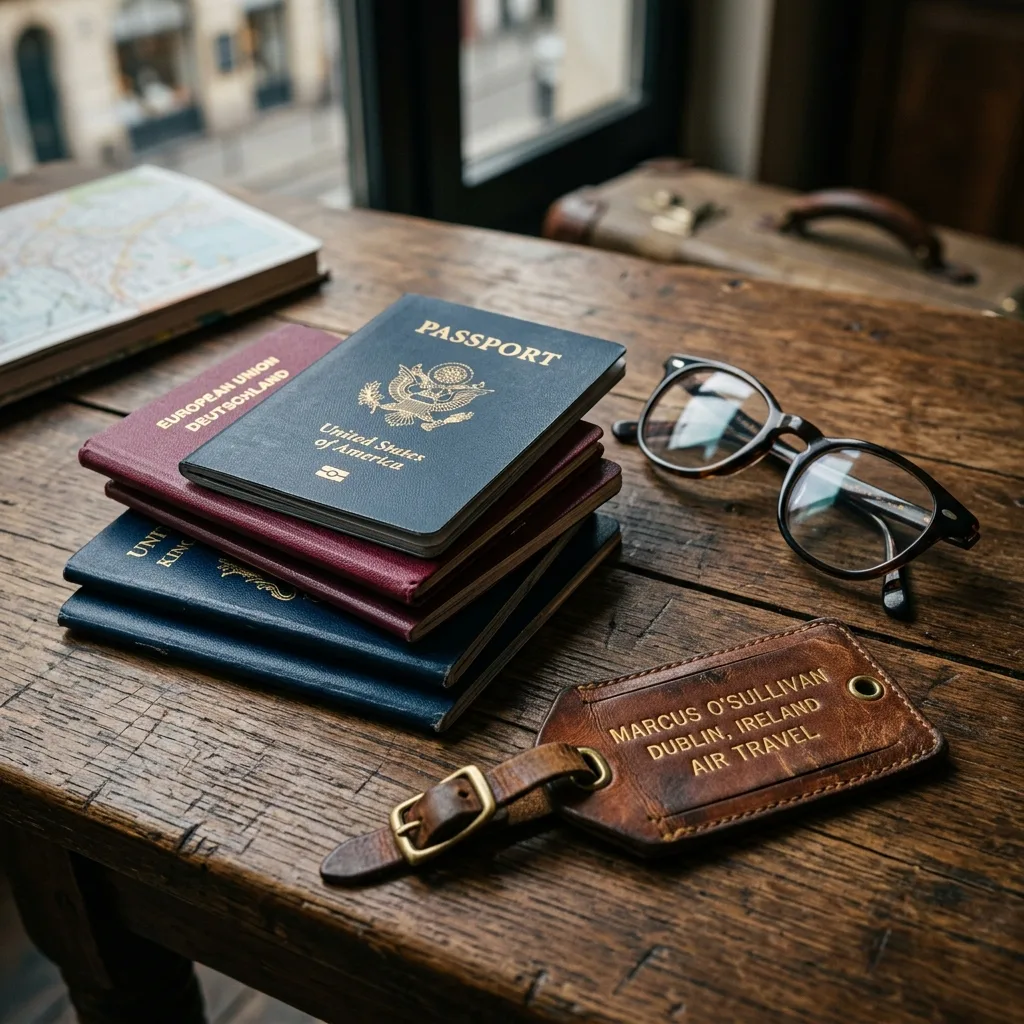
Nothing kills the vacation mood faster than getting stopped at a border checkpoint because of missing paperwork. Every child needs their own valid travel document, regardless of age. Yes, even infants. The specific requirements shift depending on where you’re going and who’s traveling with the child, so check well before your departure date.
What’s Required at Different Borders
Immigration requirements vary by region, and assuming your domestic ID is enough can create real problems. Here’s the general breakdown:
- European Union and Schengen Area: Children who are residents of Spain can travel within this zone using only a valid national ID card (DNI).
- Non-EU countries: Any destination outside the European Union requires the child to hold their own individual, valid passport. No exceptions.
- Traveling with one parent only: While not always legally mandatory, carrying a signed authorization from the absent parent is strongly recommended. Border agents can and do flag single-parent travelers to rule out child abduction concerns.
The part most people overlook: document validity windows. Some countries require a passport to be valid for at least six months beyond your travel dates. A passport that technically hasn’t expired can still get you turned away.
International Exit Permits for Minors
When a child travels alone or with someone who isn’t their legal guardian, a special exit permit is mandatory in most countries. The requirements depend on where the family is based:
- Spain: An official exit permit must be processed through the National Police, Civil Guard, or a notary, signed by both parents.
- Mexico: The Minor Exit Form (SAM) from the National Migration Institute (INM) must be completed and printed in triplicate.
- Colombia, Argentina, and Chile: These countries require an authorization signed before a notary public or consul by the non-traveling parent, accompanied by the child’s original birth certificate.
Start this paperwork early. Notary appointments, apostille requirements, and processing times vary widely, and “I didn’t know” is not a phrase that moves border officials.
Travel Apps That Are Actually Worth Downloading
Most “best travel apps” lists are padded with tools nobody uses past the first day. These are the ones that genuinely reduce friction when you’re managing kids, luggage, and logistics simultaneously. Download and set them up before you leave — not at the airport.
Packing and Itinerary Tools
Getting the logistics organized before departure makes a measurable difference in how stressed you feel during the trip. These three earn their storage space:
- PackPoint: Generates custom packing lists based on your destination, weather forecast, and planned activities. It catches the things you’d forget — swim goggles for the hotel pool, a light jacket for evening temperatures.
- TripIt: Pulls all your flight confirmations, hotel bookings, and transport reservations into one clean itinerary. Forward your confirmation emails and it builds the timeline for you.
- Tern: Uses AI to build day-by-day itineraries adjusted to your children’s ages. It won’t suggest a three-hour museum walk for a family with toddlers.
Offline Entertainment for Kids
Long flights and car rides test everyone’s patience, and relying on airport WiFi or cellular data is a gamble. These apps work fully offline once downloaded:
- PBS Kids Games and Khan Academy Kids: Both offer a solid range of educational mini-games across different age groups. The content is genuinely engaging — not the kind of app kids abandon after five minutes.
- CreAPPcuentos: Lets children aged five and up create, write, and illustrate their own travel stories. It’s the kind of quiet, focused activity that buys you an hour of peace on a long flight.
Safety, Health, and Location Tracking
Keeping track of your kids in crowded tourist spots is a different kind of stress. These apps handle the safety side so you can worry a little less:
- Life360: Real-time location tracking for every family member. Particularly useful in busy airports, theme parks, or any environment where a child can wander out of sight in seconds.
- LactApp: A medical reference and consultation tool covering breastfeeding, infant nutrition, and sleep schedules while traveling. Helpful when your pediatrician is in a different time zone.
- GOWhee: An interactive map built by parents for parents. It pinpoints nearby playgrounds, diaper-changing facilities, and restaurants with kids’ areas. The kind of local knowledge that saves you from wandering three blocks with a crying toddler.
Mistakes That Ruin Family Trips (and How to Avoid Them)
Most family travel disasters aren’t caused by bad luck. They’re caused by adults applying adult-trip logic to a trip with children. Fatigue, broken routines, and hunger hit kids harder and faster than parents expect. Recognizing that upfront changes everything.
Packing the Schedule Too Tight
This is the single most common mistake, and nearly every family makes it on their first trip. You want to maximize the destination, so you stack the itinerary with back-to-back attractions. What actually happens: by attraction number three, someone is melting down, someone else is hungry, and nobody is having fun.
Kids need more breaks, more nap time, and more regular meals than adults. A good rule of thumb is to plan half the activities you’d do without children, then add buffer time between each one. You’ll see less, but you’ll actually enjoy what you see.
Ignoring Transport Safety Basics
Using a properly certified child restraint system is non-negotiable — in cars and on planes. One dangerous mistake that catches parents off guard: letting children wear bulky coats while strapped into a car seat. The coat prevents the harness from fitting snugly against the body, which means in an impact, the child can slide right out.
Always check your airline’s specific policies on bringing car seats aboard. Rules vary between carriers, and some seats that are road-legal don’t meet aviation certification standards.
Traveling Without an Emergency Go-Bag
Skipping the emergency kit is the mistake you only make once. Airport delays, traffic jams, and unexpected waits happen on almost every trip. A carry-on bag with a change of clothes, basic snacks, children’s pain relief, and adhesive bandages takes five minutes to pack and saves hours of misery.
What usually happens in real life: parents pack the emergency supplies in checked luggage. Then the flight gets delayed three hours, the checked bag is inaccessible, and the toddler is wearing yogurt. Keep the essentials within arm’s reach.

One Last Thing Before You Go
The best family trips aren’t the ones where everything goes according to plan. They’re the ones where you handled the essentials — paperwork, safety, packing — so that when something unexpected happened, it became part of the story instead of a crisis. Simplify the logistics, respect your kids’ natural rhythms, and leave room in the schedule for the unplanned moments. Those are usually the ones your family will talk about for years.
Sources
- Spanish Ministry of Foreign Affairs
- Spanish National Police
- Government of Mexico (National Migration Institute)
- Migration Colombia
- Government of Argentina (National Directorate of Migration)
- Government of Chile (Consular Services)
- El Mundo
- La Vanguardia
- Ruta en Familia
Quick Comparison
| App Name | Category | Core Function | Target Age/Audience |
|---|---|---|---|
| PackPoint | Packing & Itinerary | Generates custom packing lists based on destination, weather, and activities | Parents / General |
| TripIt | Packing & Itinerary | Pulls flight, hotel, and transport bookings into one clean itinerary | Parents / General |
| Tern | Packing & Itinerary | Uses AI to build day-by-day itineraries adjusted to children’s ages | Families (specifically toddlers) |
| PBS Kids Games | Offline Entertainment | Educational mini-games (works offline) | Kids (different age groups) |
| Khan Academy Kids | Offline Entertainment | Educational mini-games (works offline) | Kids (different age groups) |
| CreAPPcuentos | Offline Entertainment | Story creation, writing, and illustrating (works offline) | Kids (aged five and up) |
| Life360 | Safety, Health, & Tracking | Real-time location tracking for family members | Every family member |
| LactApp | Safety, Health, & Tracking | Medical reference and consultation (breastfeeding, nutrition, sleep) | Parents of infants |
| GOWhee | Safety, Health, & Tracking | Interactive map pin-pointing playgrounds, diaper-changing facilities, and kid-friendly restaurants | Parents of toddlers/young kids |
Frequently Asked Questions
What is the most common mistake parents make when planning family travel?
The most common mistake is packing the schedule too tight by stacking the itinerary with back-to-back attractions. To avoid this, plan about half the activities you would normally do without children and build in plenty of buffer time.
Does a baby need a passport for international travel?
Yes. Every child, including infants, needs their own valid passport for any destination outside the European Union. There are no exceptions.
What travel documents do Spanish residents need to travel within the Schengen Area?
Spanish residents can travel within the European Union and Schengen Area using only a valid national ID card (DNI). However, always ensure the DNI is valid and doesn’t expire during your travel dates.
Which travel apps help keep children entertained offline during a trip?
Apps like PBS Kids Games and Khan Academy Kids offer educational mini-games that work fully offline. Additionally, CreAPPcuentos is another offline option that allows children aged five and up to create and illustrate their own travel stories.
Can children wear winter coats while strapped in their car seats?
No. Letting children wear bulky coats while strapped into a car seat is a dangerous mistake. The coat prevents the harness from fitting snugly, which means the child could slide out during an impact.