

Planning a family beach trip sounds simple enough. But finding that perfect spot—where the kids are safe and the adults actually get to relax—takes some research. A great trip isn’t just about beautiful scenery. You need calm water, reliable facilities, and easy logistics. Let’s look at the best destinations worldwide and the practical hacks that keep a beach day stress-free.
What Makes a Beach Safe and Convenient for Kids?
When you have kids in tow, safety and facilities are everything. A quick way to check if a beach meets these standards is by looking for the Blue Flag certification. This global award rates beaches on strict criteria, making it much easier to plan your trip without unpleasant surprises.
To get certified, a beach must meet tough requirements. First, the water quality must be excellent, backed by regular testing. Second, the beach needs trained lifeguards on duty, first-aid equipment, and wheelchair- and stroller-accessible ramps. In practice, having ramp access saves you from dragging a loaded stroller through deep, hot sand—which is a quick way to ruin the morning.
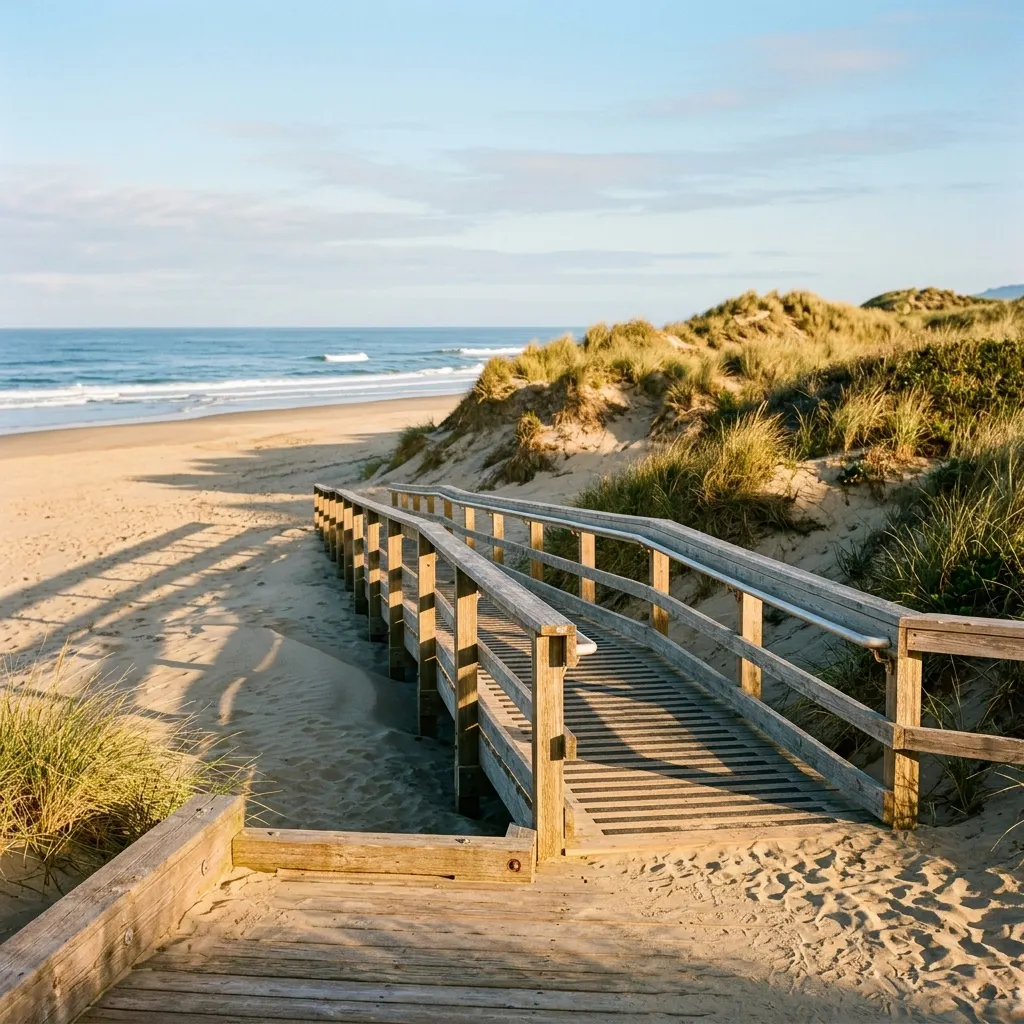
The rules also cover daily sand cleaning, clean public restrooms, and recycling bins. You will also find educational displays explaining the local marine life. Together, these standards give you peace of mind so you can actually sit back while the kids play in the sand.
Top Family-Friendly Beach Destinations Worldwide
Depending on your children’s ages and your travel style, some coasts will suit your family better than others. Here are the top global recommendations, grouped by what they do best.
Calm, Shallow Waters for Toddlers and Babies
- Playa de Muro (Mallorca, Spain): Known for soft sand and extremely shallow, clear water. Kids can wade far out safely because there are no sudden drop-offs or strong currents.
- Protaras (Cyprus): A quiet Mediterranean spot famous for sheltered bays. The water is exceptionally calm and warm, behaving more like a natural toddler pool than the open sea.
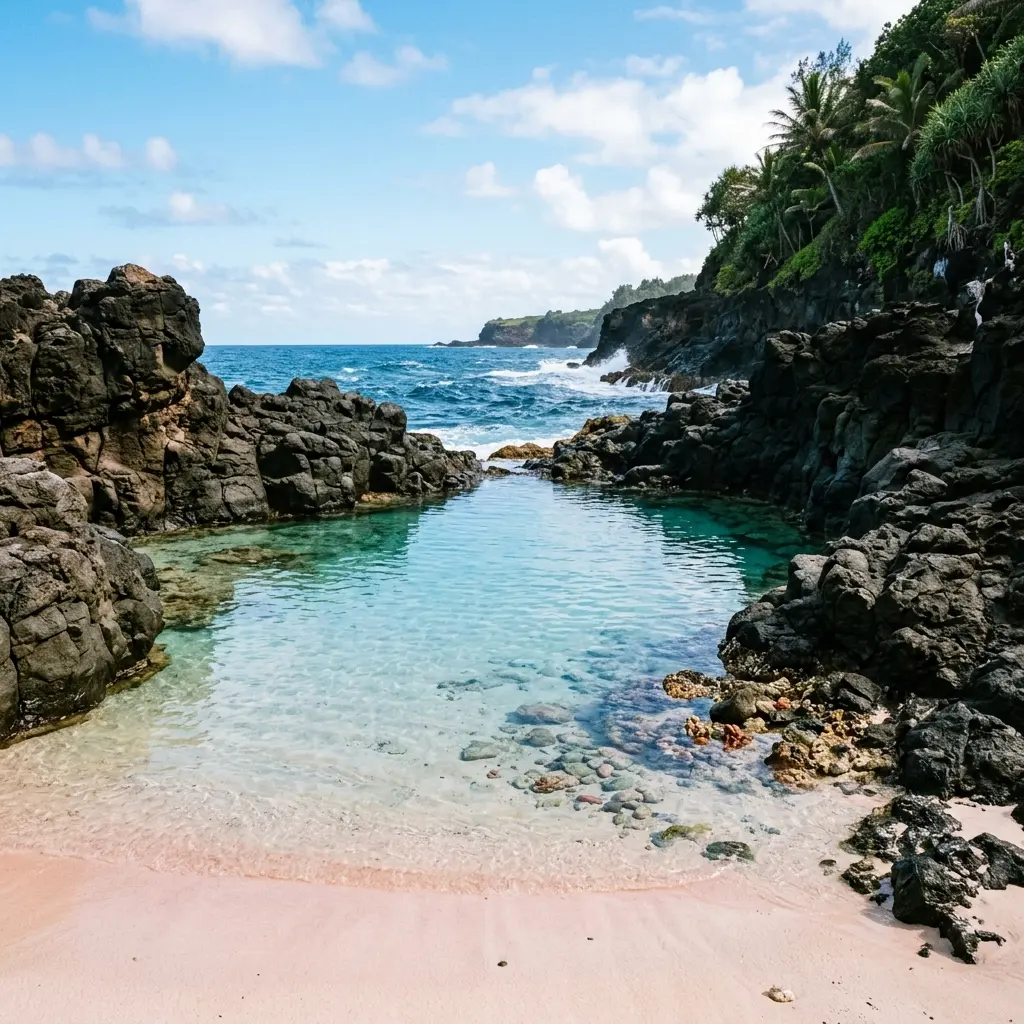
- Horseshoe Bay (Bermuda): The sheltered cove known as “Baby Beach” is bordered by large volcanic rock formations. These barriers block incoming waves, creating a quiet, shallow pool for little ones.
Nature and Outdoor Adventure for Active Kids
- Sunshine Coast (Australia): Features patrolled beaches with gentle waves for young bodyboarders. Nearby wildlife parks and interactive aquariums make it easy to break up long days in the sun.
- Maui (Hawaii, USA): Perfect for older kids who want to explore. Protected coves offer excellent snorkeling with green sea turtles, while hiking trails and volcanic landscapes provide plenty of land-based adventure.
- Grace Bay (Turks and Caicos): Home to turquoise waters and accessible snorkeling at Smith’s Reef. The reef is just a short swim from the shore, letting kids see colorful coral and fish without needing a boat trip.
Convenience and Stress-Free All-Inclusive Resorts
- Riviera Maya (Mexico): The go-to destination for total convenience. Resorts here feature supervised kids’ clubs, on-site water parks, and daily activities, allowing parents to actually enjoy some quiet time.
- Albufeira (Algarve, Portugal): This charming coastal town combines sandy beaches with family boat trips to spot wild dolphins. It offers a wide range of beachside holiday apartments, restaurants, and shops within walking distance of the shore.
Practical Tips for a Stress-Free Day at the Beach
Even at the safest beach, good organization makes the difference between a fun day and an exhausting one. A few simple tricks from experienced parents can simplify your logistics.
Preparation and Setup Hacks Before You Leave
Apply sunscreen to your children before leaving your hotel or rental. Doing this gives the lotion time to absorb properly and prevents wet skin from acting like sand-paper. There is nothing worse than trying to rub sunscreen onto a child whose arms are already coated in dry sand. Plus, they will be much less impatient to jump into the water when you arrive.
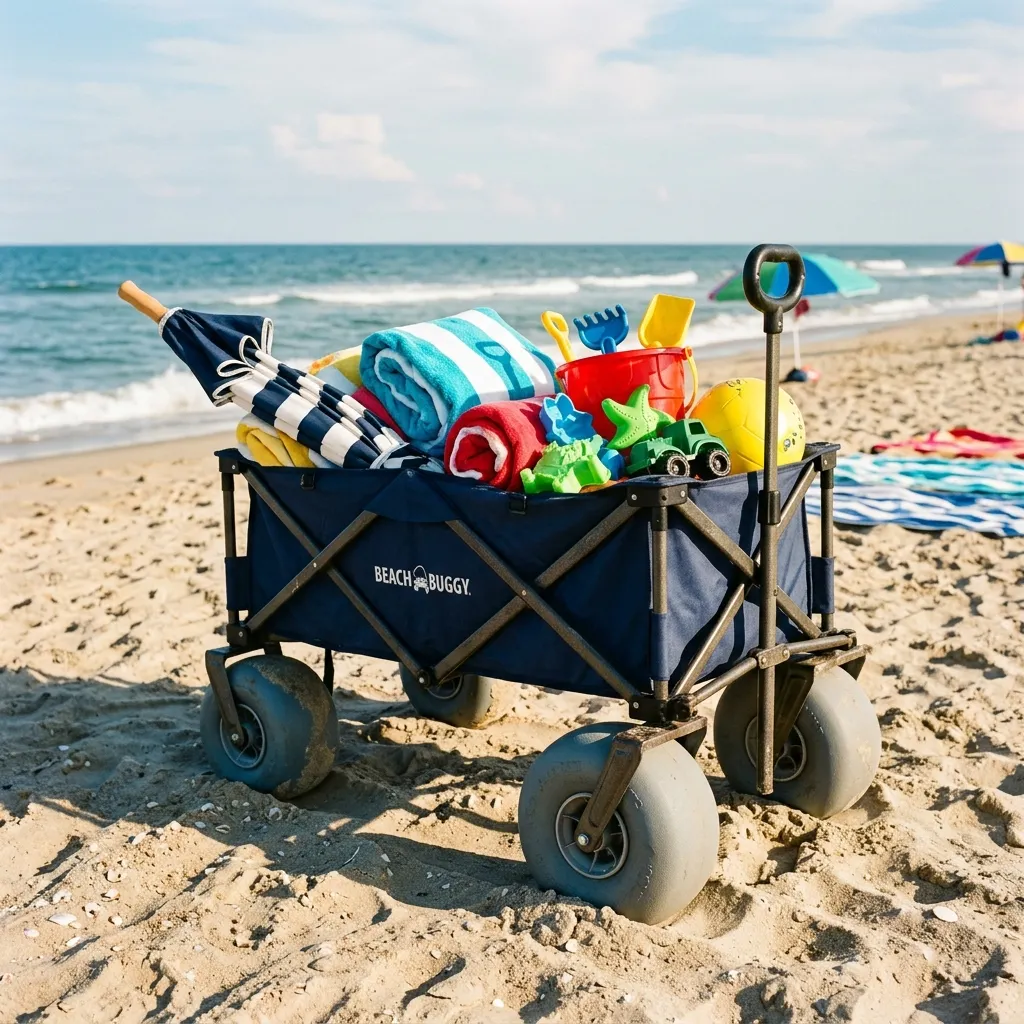
Investing in a heavy-duty beach wagon makes moving umbrellas, towels, and toys much easier. Just make sure to choose one with wide, low-pressure wheels, as thin tires will sink right into soft sand. If you are traveling with a baby, bring a small inflatable pool to place under your umbrella. Fill it with a bucket of seawater so your baby can splash safely in the shade without facing the waves.
Quick Cleaning and Packing Hacks for the End of the Day
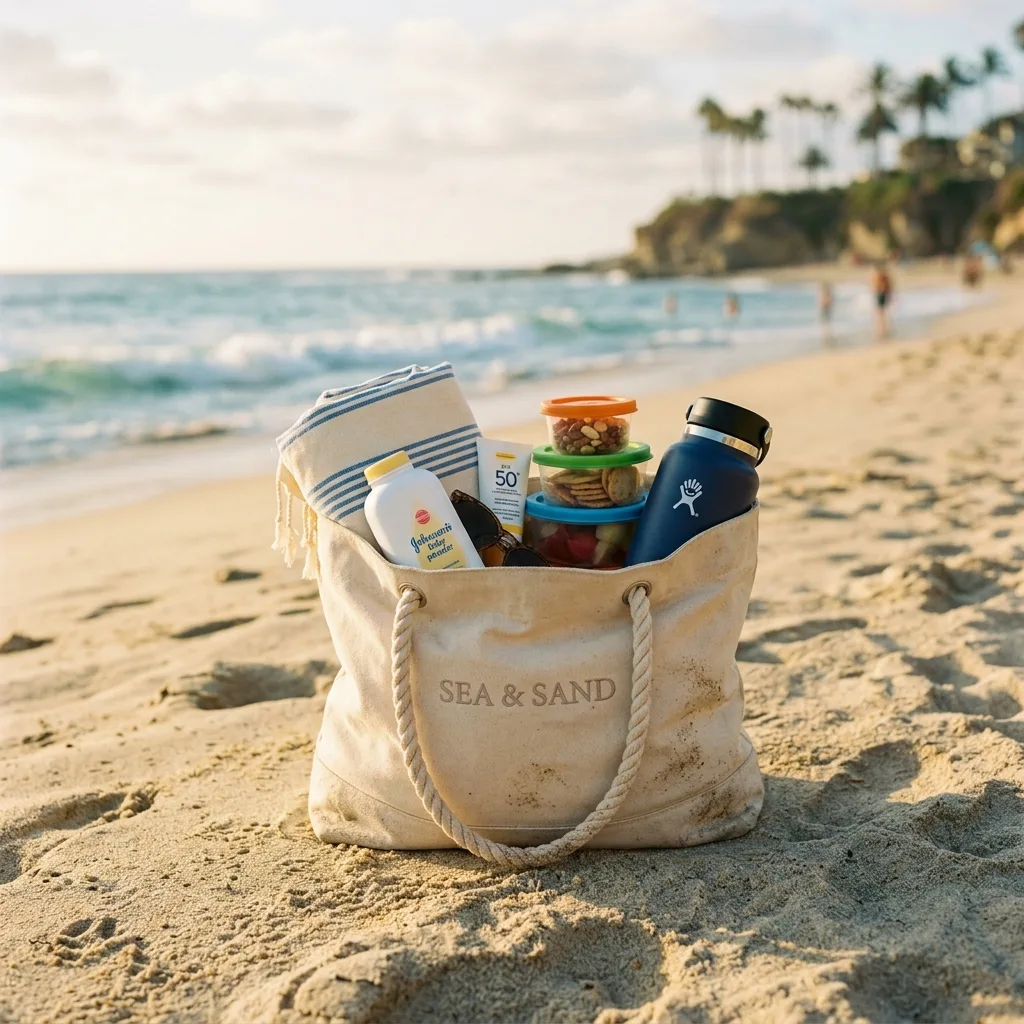
Keep a bottle of baby powder in your beach bag. Dusting it onto sandy, damp legs and feet absorbs the moisture instantly, letting you wipe the sand off without any painful scrubbing. It is a lifesaver before everyone climbs back into the car. Also, pack double the snacks and fresh water you think you need. The combination of sun, wind, and swimming makes children incredibly hungry, and a sudden snack shortage is an easy trigger for a meltdown.
Challenges and Safety Precautions to Keep in Mind
While beach trips are exciting, the open environment comes with real challenges. Sun safety is the biggest concern. A common mistake is staying out through the midday heat. Try to avoid the beach between 11:00 AM and 4:00 PM when UV levels peak. Planning your beach visits for early morning or late afternoon keeps everyone cooler and avoids the busiest crowds.
Try to keep your children’s meal and nap schedules as normal as possible. Skipping naps or delaying lunch too long can lead to overtemperature and major irritability, turning a fun day into a stressful one. A flexible but structured routine helps keep the peace, letting the whole family actually enjoy the getaway.
Sources and References
- Asociación de Educación Ambiental y del Consumidor (ADEAC): Blue Flag Criteria
- Barceló: Mallorca Family Destination Guide
- Bugaboo: Travel Destinations with Kids and Practical Tips
- Seguros Santa Lucía: Child Beach Safety Recommendations
- El Mundo: Tips and Tactics for Traveling to the Coast with Kids
Quick Comparison
| Beach Destination | Location | Focus Category | Key Features & Activities |
|---|---|---|---|
| Playa de Muro | Mallorca, Spain | Toddlers and Babies | Soft sand, extremely shallow water, and no sudden drop-offs or strong currents. |
| Protaras | Cyprus | Toddlers and Babies | Sheltered bays with exceptionally calm and warm water. |
| Horseshoe Bay | Bermuda | Toddlers and Babies | Sheltered cove (“Baby Beach”) with volcanic rock barriers blocking waves. |
| Sunshine Coast | Australia | Active Kids | Patrolled beaches, gentle waves, and nearby wildlife parks or aquariums. |
| Maui | Hawaii, USA | Active Kids | Protected coves, snorkeling with green sea turtles, and volcanic hiking trails. |
| Grace Bay | Turks and Caicos | Active Kids | Turquoise waters and shore-accessible snorkeling at Smith’s Reef. |
| Riviera Maya | Mexico | Convenience & Resorts | All-inclusive resorts with supervised kids’ clubs, on-site water parks, and daily activities. |
| Albufeira | Algarve, Portugal | Convenience & Resorts | Sandy beaches, dolphin-watching boat trips, and walking-distance apartments, restaurants, and shops. |
Frequently Asked Questions
What is the Blue Flag certification for beaches?
The Blue Flag is a global award that certifies beaches based on strict criteria for safety, water quality, and facilities. To qualify, a beach must have excellent water quality, trained lifeguards, clean public restrooms, recycling bins, and wheelchair- or stroller-accessible ramps.
Which beaches are best for toddlers and babies?
Playa de Muro in Spain, Protaras in Cyprus, and Horseshoe Bay in Bermuda are excellent for young children. They offer sheltered coves, calm warm water, and shallow areas without sudden drop-offs or strong currents.
Where can families find the best snorkeling and nature adventures?
Maui in Hawaii offers snorkeling with green sea turtles alongside volcanic landscapes, while Grace Bay in Turks and Caicos features Smith’s Reef, which is accessible directly from the shore. The Sunshine Coast in Australia also features gentle bodyboarding waves and nearby wildlife parks.
How can parents make sunscreen application easier at the beach?
You should apply sunscreen to children before leaving your hotel or rental. Doing so gives the lotion time to absorb properly, prevents sand from sticking to wet skin like sandpaper, and keeps kids from getting impatient to enter the water.
What is a simple trick to remove sand from skin at the end of the day?
Keep a bottle of baby powder in your beach bag. Dusting it onto damp, sandy legs and feet instantly absorbs moisture, allowing you to wipe the sand off easily without painful scrubbing.
How can families avoid the hottest and most crowded times at the beach?
You should avoid the beach during the peak UV hours between 11:00 AM and 4:00 PM. Planning visits for the early morning or late afternoon keeps everyone cooler and avoids the busiest crowds.