
Going somewhere alone for the first time is genuinely one of the best things you can do for yourself. The freedom is real, the confidence you build is lasting — and yes, the stories you come back with are better. But there are 7 mistakes that catch first-time solo travelers off guard, and knowing them in advance makes the whole experience a lot smoother.
None of these are catastrophic on their own. But they stack. A late-night arrival in an unfamiliar city combined with an overstuffed bag and a neighborhood you didn’t research properly — that’s when a trip starts to feel like a test you’re failing instead of an adventure you chose.
Here’s what to watch out for.
1. Planning Every Hour — or Planning Nothing at All
Both extremes cause problems, and new solo travelers tend to fall into one or the other.
Over-planning is more common than people expect. There’s a psychological comfort in filling every hour before you leave — it feels like control. In practice, it turns your trip into a to-do list, and any delay or detour starts to feel like failure. You end up rushing past the things that might have actually been memorable.
Going with zero plan is the other trap. It sounds romantic until you’re exhausted after a 10-hour journey and you have no idea where you’re sleeping that night.
The balance that actually works
Lock in the essentials before you go: your arrival transport and your first night’s accommodation. That’s it. Everything else can stay open. Once you’re on the ground and you have a bed confirmed, the spontaneity stops feeling chaotic — it starts feeling like freedom. Leave room in your itinerary for a local recommendation you hadn’t planned for, or a slower morning because you need one.
Most of the best moments in solo travel happen in the gaps you left open.
2. Booking a Late Arrival Into an Unfamiliar City
Late-night flights and overnight trains look attractive because they’re usually cheaper. The tradeoff rarely gets mentioned on booking sites: arriving somewhere you’ve never been at 1 a.m. is a genuinely worse experience than arriving at noon, and it’s not just about comfort.
Orientation is harder in the dark. Public transport options are thinner. Streets are emptier in ways that can feel unsettling in a city you don’t know. And if something goes wrong with your booking, your address, or your luggage — you’re dealing with it at midnight instead of in the middle of the afternoon.
Book for daylight arrivals when you can
Even if it costs a little more, arriving in daylight on your first day in a new place pays back quickly. You can find your accommodation without stress, get a feel for the neighborhood while it’s active, and start the trip with your bearings intact. The first few hours in a new city set the tone for the days that follow — make them easy on yourself.
3. Skipping the Safety Basics
When you’re traveling with someone else, there’s a built-in backup. Another person knows where you are. Another person has a copy of the booking. Another person notices if something’s off. Traveling solo means you’re that person for yourself, and a surprising number of first-timers don’t adjust for it.
The most common gap: no one at home has any idea where you are, what accommodation you booked, or what your plans are for the next few days. If your phone gets stolen or your bag goes missing, you’re also without any documentation — because it was all on the phone or in the bag.
Set up a simple safety system before you leave
Photograph your passport, visa, travel insurance documents, and any booking confirmations. Store them in a cloud folder or email them to yourself — something accessible from any device. Pick one person back home who you trust and check in with them periodically. You don’t need to give them a minute-by-minute itinerary. Just a quick message when you arrive somewhere new, and an outline of where you’re heading next.
Travel insurance is worth mentioning here too. Medical costs, stolen gear, cancelled flights — these land very differently when you’re alone versus when you have someone to split the burden with. This is one area where the solo traveler’s budget calculation needs to factor in the solo traveler’s risk.
4. Overriding Your Gut to Be Polite
This one is harder to talk about, but it’s one of the most important things on this list.
Most people have been raised to be accommodating. To not cause a scene. To give the benefit of the doubt. Those are generally good instincts — but they can work against you when your body is already sending a signal that something isn’t right. A street that feels off. A situation that’s escalating in a direction you don’t like. A person whose behavior is making you uncomfortable.
The common mistake isn’t that people miss these signals. It’s that they override them because they don’t want to seem rude or paranoid.
Trust the signal, act on it immediately
If something feels wrong, leave. You don’t need to explain. You don’t need to be polite about it. You don’t need to give it another minute to see if it gets better. Remove yourself from the situation — quickly, clearly, without apology.
The discomfort of seeming rude lasts about 30 seconds. The alternative can last a lot longer. Your instincts exist for a reason; solo travel is not the time to ignore them.
5. Packing Too Much
Here’s the thing about over-packing that doesn’t get said clearly enough: when you travel alone, you carry every single thing you bring, every single time you move. There is no one to hold your bag while you check your ticket. No one to stay with the luggage while you sort out the taxi. No one to carry the heavy one while you take the light one.
Everything you packed is your responsibility, all day, every day. A bag that felt manageable at home becomes genuinely exhausting after three transfers.
Pack for a week, not for every scenario
A good rule: pack as if you’re going for seven days, no matter how long the trip actually is. Laundry exists almost everywhere in the world. Clothing can be washed, dried overnight, and worn again. The gear you thought you might need on day 14 can usually be bought, borrowed, or skipped.
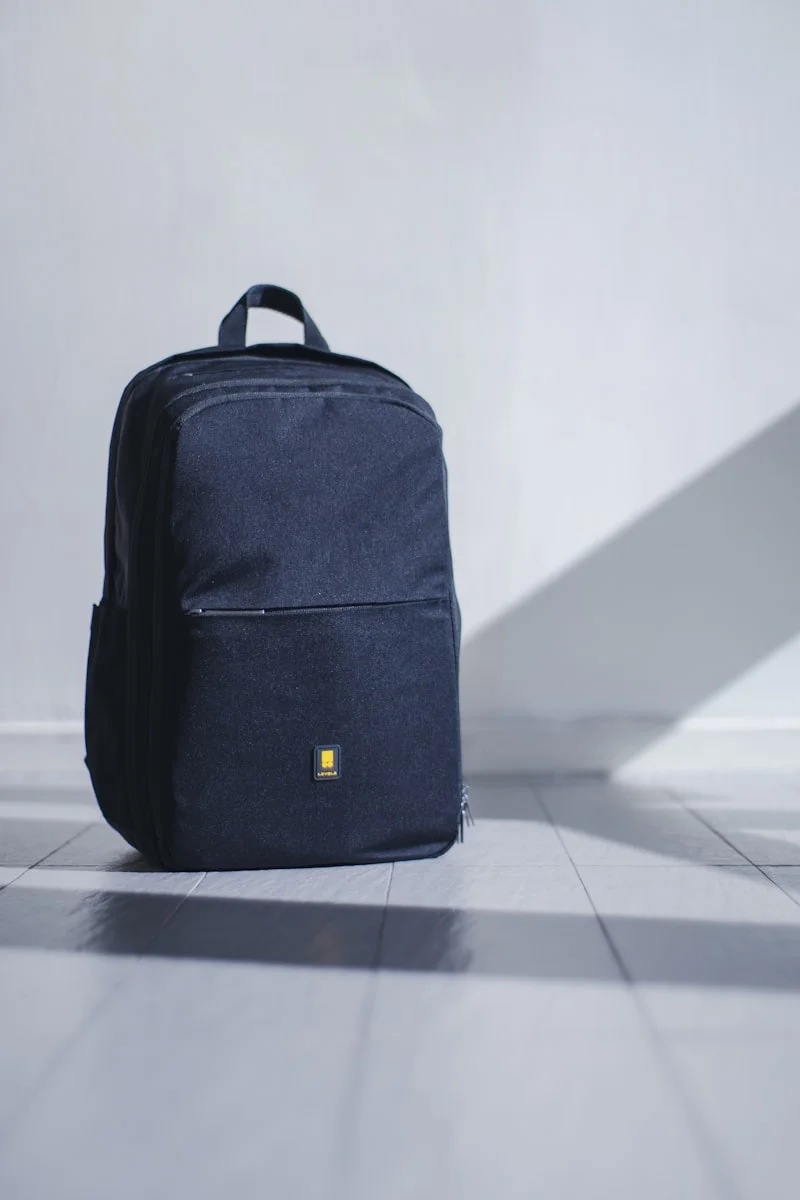
What you gain from packing light isn’t just a lighter bag — it’s genuine mobility. You can get on a different bus. You can walk further. You can change plans without it being a logistical event. For solo travel specifically, that mobility is part of the whole point.
6. Choosing an Accommodation Based on Price Alone
Cheap accommodation in a remote or sketchy neighborhood is one of those decisions that looks smart on a spreadsheet and feels wrong on the night. The price is lower because it’s further from the center, further from transport, and sometimes in an area that’s uncomfortable or unsafe to walk through after dark.
What you save on accommodation you often spend — in time, in taxi fares, or in an anxiety that quietly drains the energy out of a trip.
Research the neighborhood before you book
Price should be one factor, not the only factor. Before confirming any booking, look up the area on a map and run it through Google Street View. That 30-second check tells you a lot: Is it a functioning neighborhood or an industrial fringe? Are there cafés, transport options, people around? Does it look like somewhere you’d want to walk back to at 10 p.m.?
Read reviews specifically for solo travelers — many accommodation platforms let you filter by traveler type, and those reviews will surface the location and safety concerns that general reviews skip past.
7. Setting Unrealistic Expectations — and Then Retreating Into Your Phone
There’s a version of solo travel that gets romanticized online: every day a revelation, every stranger a lifelong friend, every sunset more cinematic than the last. That version exists — but it doesn’t exist every day of every trip, and expecting it to does real damage to your experience.
The days that don’t match the highlight reel — the quiet afternoons, the stretches of loneliness, the hours when nothing interesting is happening — are also part of solo travel. They’re not a sign that you’re doing it wrong.
The mistake is responding to those moments by disappearing into your phone. That guarantees the loneliness stays. It also closes off every possible interaction that might have broken it.
How to actually meet people on the road
Loneliness on a solo trip is usually temporary, and the solutions are more straightforward than they seem. Hostels with communal spaces are specifically designed for exactly this — you don’t have to perform sociability, you just have to show up to the common area. Guided day tours, cooking classes, and free walking tours put you alongside other travelers with a built-in conversation starter.
Even something as simple as sitting at the bar of a café rather than a corner table changes what’s possible. You don’t have to be an extrovert. You just have to be slightly less invisible.
Slow days and quiet moments are a legitimate part of traveling alone. The solo trip that includes some genuine stillness, some unscheduled wandering, and a few slightly awkward conversations with strangers is usually the one people look back on most fondly. The days that felt like nothing happening were often the ones where something quietly shifted.
Sources
- sommersonnenmaedchen.de
- willascherrybomb.de
- fraeulein-draussen.de
- soul-adventure.de
- reisevergnuegen.com
- travelbook.de
- funkloch.me
- planbvoyage.com
- sevenandstories.net
- oejhv.at
Frequently Asked Questions
What essentials should I book before my solo trip?
You only need to lock in your arrival transportation and your first night of accommodation before you leave. Keeping the rest of your itinerary open allows for spontaneity and room to accept local recommendations.
Why should solo travelers avoid booking late-night arrivals?
Arriving late at night makes orientation harder in the dark, limits public transportation options, and leaves you with emptier streets in an unfamiliar city. Arriving during daylight hours makes finding your accommodation much safer and less stressful.
How can I protect and back up my travel documents?
Take photographs of your passport, visa, travel insurance documents, and booking confirmations. Store them in a cloud folder or email them to yourself so they remain accessible from any device if your phone or bag is lost.
How much clothing should I pack for a solo trip?
Pack enough clothing for only seven days, regardless of the overall length of your trip. Laundry facilities are widely available worldwide, and packing light ensures you maintain the mobility needed to easily navigate transport transfers alone.
What is the best way to meet people and combat loneliness while traveling solo?
You can easily meet people by staying at hostels with communal spaces, booking guided day tours, participating in cooking classes, or joining free walking tours. Simple adjustments, like sitting at a café bar instead of a corner table, also make you more approachable.