
How Córdoba Is Helping Tourists Avoid Scams and Fraud

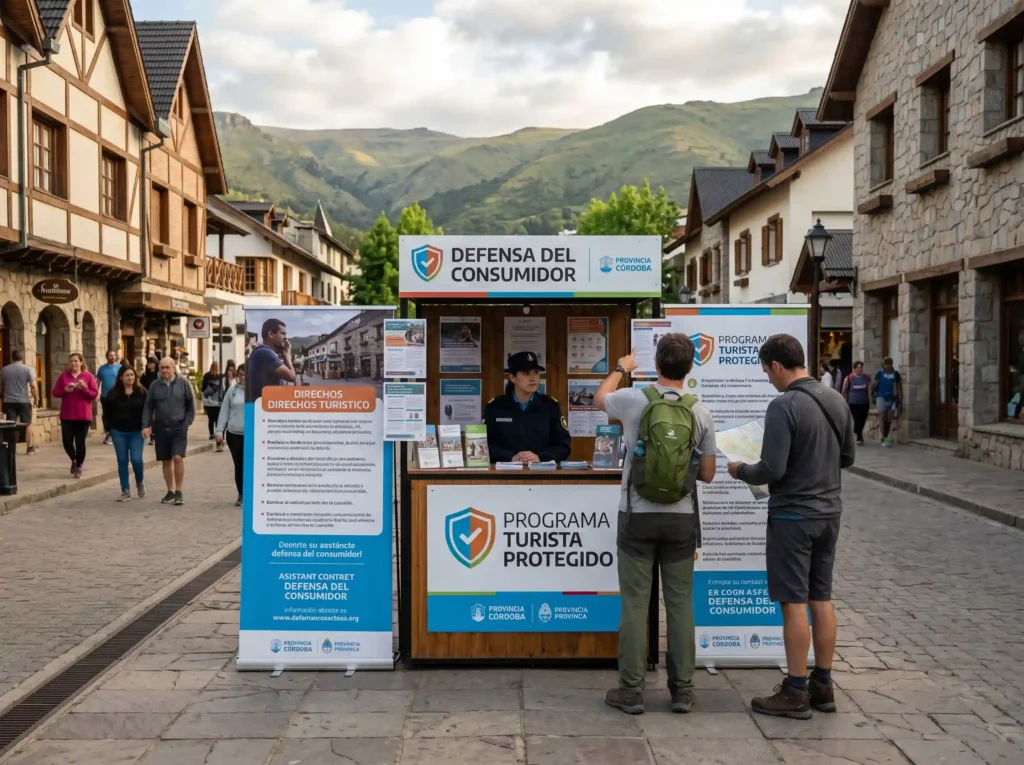
If you’re planning a trip to Córdoba, there’s now an official safety net built specifically for you. Córdoba’s Consumer Protection Office runs a program called Turista Protegido, known in English as Protected Tourist. It’s designed to inform and guide visitors so they don’t get scammed during their vacation.
The team behind the program travels to popular tourist towns and valleys across the province. They talk directly with tourists and consumers about the risks of renting a property or hiring a service. They also keep an eye on how local providers actually behave once money changes hands.
It’s an initiative from the Consumer Protection Directorate, part of Córdoba’s Ministry of Industry, Commerce and Mining, led by Minister Eduardo Accastello.
Provincial officials put together a practical list of what to check before booking a place to stay or paying for anything else on your trip.
How to Avoid Rental Scams When Booking Accommodation
Most accommodation scams follow a pattern. Someone posts an attractive listing, asks for a quick deposit, and disappears the moment the money lands. Here’s how to make sure that doesn’t happen to you:
- Avoid renting through social media — Facebook, Instagram, Marketplace — or arranging everything by phone or WhatsApp. These channels are exactly where most rental fraud happens.
- Avoid renting a property you found advertised on the street without knowing anything about its actual condition.
- Ask for a video call before you commit. Use it to see the property itself and confirm its real location.
- Check who the bank account actually belongs to before sending any money.
- Confirm the provider is registered with the local Tourism Secretariat or listed with the Agencia Córdoba Turismo at https://www.cordobaturismo.gov.ar/donde-alojarme.
- For extra peace of mind, look the property up on Google Maps or ask a nearby business if it actually exists.
- Get the booking in writing. If you arrange it by phone or online, ask for a reference number and the name of the person helping you. Also get the physical address of the company or property owner.
- Always ask for a receipt or invoice.
- If you’re paying by transfer or deposit, double-check that the account belongs to the actual property owner, not someone else entirely.
- If the property or service doesn’t match what was promised, you’re entitled to ask for your deposit back.
Paying for Services and Activities Without Getting Overcharged

Restaurants, tour operators, and shops are required to follow some basic rules too. Here’s what’s worth checking before you hand over your card:
- Make sure prices match whatever was advertised in a promotion or deal.
- Restaurants and food venues must display their price list at the entrance and offer an individual menu, in print or digital form, at every table.
- Keep your card in sight when paying, and check the receipt before you sign it. Surcharges aren’t allowed on single-payment debit or credit card purchases.
- Review your credit card statements regularly. You have 30 days to dispute a charge you didn’t actually make.
- Before booking any tour or activity, check the list of authorized providers on the Agencia Córdoba Turismo website, this page.
The bank account detail is the one most people skip. A rental can look completely legitimate: real photos, a believable price, a fast reply. It can still belong to someone with no connection to the actual property. That mismatch, between the name on the transfer and the name of the actual owner, is usually the first real sign something’s wrong.
In practice, the most common mistake isn’t falling for a dramatic, obvious scam. It’s treating a social media listing exactly like a booking made through a verified platform or agency. The two carry completely different levels of protection.
Where to Report a Scam or Ask for Help
The provincial government also set up direct contact channels for anyone who wants more information or needs to file a complaint.
By phone, call 0800-444-5698, Monday through Friday, from 9 a.m. to 2 p.m.
By email, write to [email protected] or [email protected].
On social media, reach out through the Facebook page Defensa del Consumidor Córdoba or the Instagram account @defensadelconsumidor.cba.
If you go that route, take one extra step first: confirm you’re actually messaging the official account before sharing anything sensitive. It only takes a few seconds, and it’s the difference between reporting a scam and walking into a second one.
Frequently Asked Questions
What is the Turista Protegido program in Córdoba?
It is an official tourist safety initiative run by Córdoba’s Consumer Protection Office. The program is designed to guide and inform visitors about the risks of renting properties or hiring local services to prevent fraud during their vacation.
How can I verify if a rental property in Córdoba is legitimate?
You can check if the accommodation provider is registered with the local Tourism Secretariat or listed directly on the official Agencia Córdoba Turismo website. For added safety, request a video call to inspect the property or verify its physical existence via Google Maps.
Are restaurants in Córdoba allowed to add surcharges for card payments?
No, additional surcharges are strictly prohibited on single-payment debit or credit card transactions. Furthermore, food venues are required to clearly display their price listings at the entrance and provide an individual menu at every table.
What should I do if a rented property does not match what was promised?
If the accommodations or services do not match the conditions promised by the provider during booking, you are legally entitled to demand your deposit back. To ensure protection, always obtain bookings, reference numbers, and receipts in writing.
How can I report a tourist scam or file a complaint in Córdoba?
You can contact the Consumer Protection Directorate by calling 0800-444-5698 Monday through Friday between 9 a.m. and 2 p.m. You can also file your report by emailing [email protected] or reaching out to their official social media accounts.
